


The Unshakeable Kingdom of Namkeen
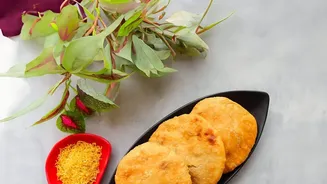
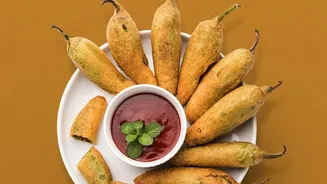
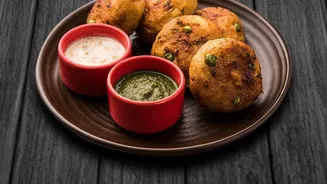
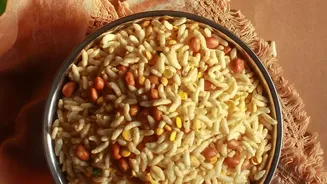
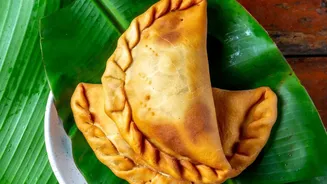
Let's be clear: traditional snacks are not going anywhere. The Indian namkeen market is not just surviving; it's thriving, with projections showing robust growth. Technavio reports the market is expected to grow by USD 4.89 billion between 2025 and 2030,
at a compound annual growth rate (CAGR) of 10.2%. This growth is fueled by a shift from loose, unorganized products to branded, packaged goods that promise hygiene and consistent taste. As disposable incomes rise and modern retail expands into Tier-II and Tier-III cities, more households are opting for the reliability of packaged namkeen. Brands are also innovating within this space, offering baked versions and regional flavour profiles to keep pace with consumer tastes. This isn't a replacement story; it’s one of expansion.
The New Contender: Health-Conscious Snacking
Alongside the enduring love for all things fried and savoury, a powerful new trend has emerged: healthy snacking. Driven by rising health awareness, urbanization, and a desire for convenience, a growing number of Indians are reading labels and seeking out nutritious alternatives. This isn't just a niche urban phenomenon anymore. The Indian healthy snacks market is projected to grow significantly, with one report from Market Research Future estimating it will reach USD 9.16 billion by 2035. Another from Grand View Research projects it to reach USD 8.18 billion by 2033. This movement is particularly strong among Gen Z and urban millennials, who are looking for snacks that align with their fitness goals and busy lifestyles. The result is a booming market for products that offer functional benefits, like sustained energy or high protein content, without sacrificing taste.
Meet the New Snack Aisle Stars
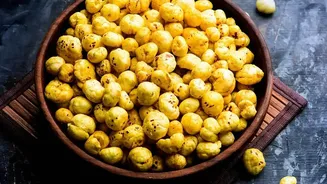
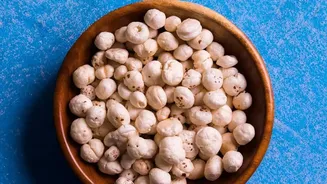
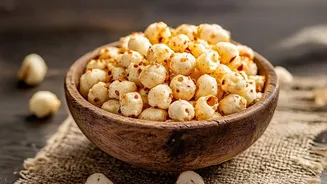
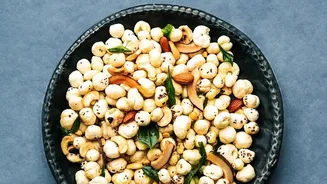
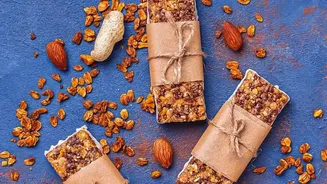
So, what are these new options? Protein bars are a major player, transitioning from a post-workout niche to a mainstream 'on-the-go' snack. The Indian protein bar market was valued in the hundreds of millions of dollars in 2024-2025 and is expected to grow steadily. But it’s not just about protein. The broader category of 'nutritional bars' is also expanding. Beyond bars, you'll find an array of inventive products. Makhana (fox nuts) are being rebranded from a traditional fasting food into a crunchy, flavoured alternative to potato chips. Snacks made from millets like jowar and bajra, once confined to traditional kitchens, are now appearing as crackers, cookies, and ready-to-eat mixes. Baked snacks, fruit and nut mixes, and granola bars are also seeing a surge in popularity, catering to consumers who want convenient yet wholesome options.
The Forces Driving This Delicious Diversification
Several key factors are stirring the pot. Rapid urbanization and increasingly busy lifestyles mean consumers have less time for traditional meal preparation and are seeking convenient, ready-to-eat options. The rise of the 'snackification' trend, where snacks replace small meals, is a major driver. Rising disposable incomes allow consumers to spend more on premium and specialized products. Furthermore, greater global exposure through media and travel has introduced a wider variety of flavours and formats to the Indian palate. E-commerce and quick-commerce platforms have also made these new-age snacks more accessible than ever, delivering them from urban warehouses to doorsteps across the country.