







The Limits of the Tiger Trail
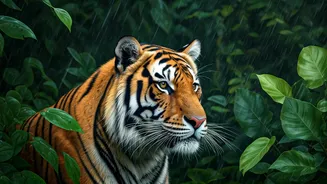
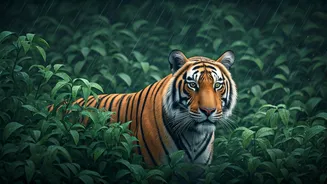
The classic tiger safari is an undeniable adrenaline rush. Parks like Ranthambore, Bandhavgarh, and Corbett have long been magnets for tourists, all hoping for that once-in-a-lifetime sighting. But this singular focus has created challenges. Recent studies
have shown that high tourism traffic and the scramble of vehicles can cause significant stress to tigers, even affecting their breeding habits. A 2026 study from the CSIR-Centre for Cellular and Molecular Biology found elevated stress hormone levels in tigers near tourism roads. This has led to a growing awareness among travellers about the impact of their visits, prompting a search for more responsible ways to engage with nature.
The Search for Something More
A significant shift is happening in the mindset of the Indian traveller. A 2026 Agoda survey revealed that a staggering 88% of Indian travellers prioritise sustainability when making travel decisions. This isn't just about a vague desire to be 'green'; it's about seeking purpose. The same survey found that ensuring travel spending benefits local communities was the top motivator for sustainable travel. Another report by Booking.com noted that 49% of travellers want to visit places before they become crowded, and 72% are more committed to travelling sustainably than a year ago. This isn't just about avoiding crowds; it's about wanting to leave a place better than they found it and having a more authentic, less frantic experience.
Enter the 'Green Escape'
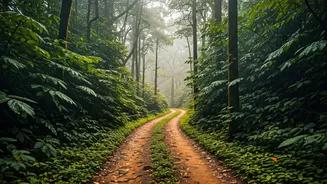
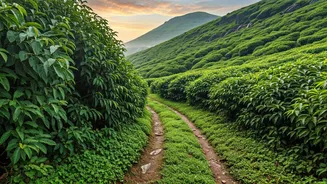
So, what are these 'green escapes'? They represent a broad category of travel focused on immersion, sustainability, and community. Think less about chasing a single animal and more about appreciating an entire ecosystem. This includes the booming field of agritourism, where visitors stay on farms, learn about rural life, and enjoy fresh, local food. It also covers eco-lodges in lesser-known sanctuaries, community-run homestays in places like the Dzongu Valley in Sikkim, and walking or boat safaris that offer a quieter, more intimate connection with the wild. These alternatives distribute tourist revenue beyond the popular national parks and foster conservation by giving local communities a direct stake in protecting their environment.
Beyond the Roar: A World of Wildlife
Moving beyond a tiger-centric view opens up a spectacular diversity of Indian wildlife experiences. Instead of a crowded jeep safari in Rajasthan, imagine a serene boat trip in Kerala's Periyar Tiger Reserve, watching elephants by the lakeside. Or consider a walking safari in Satpura National Park, a place where you can track sloth bears and giant squirrels on foot. There are safaris to spot the Asiatic wild ass in the salt flats of the Little Rann of Kutch, river cruises to see gharials in the Chambal Sanctuary, and birdwatching expeditions in places like Thenmala, India's first planned eco-tourism destination. These experiences often feel more personal and are less taxing on the environment.
A More Conscious Journey
This trend is not about abandoning the majestic tiger, but about expanding our definition of a 'wildlife holiday'. It’s about choosing experiences that are as good for the soul as they are for the planet. By opting for a 'green escape', travellers are not just discovering hidden gems like the Tirthan Valley in Himachal Pradesh or the mangrove forests of Bhitarkanika; they are actively participating in a more sustainable model of tourism. This model values biodiversity over a single species, quiet observation over a loud chase, and community benefit over mass-market convenience. It's a quieter, more thoughtful way to explore, proving that the most memorable journeys are often the ones that leave the lightest footprint.