





Kodaikanal, Tamil Nadu: The Princess of the Hills
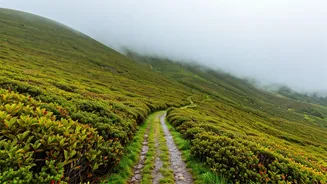
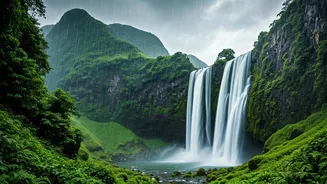
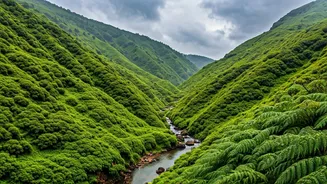
Known as the "Princess of Hill Stations," Kodaikanal in Tamil Nadu becomes a misty, magical haven during the monsoon. Unlike many Himalayan regions that face extreme weather, the rains here are typically more manageable, transforming the landscape into
a lush spectacle. The waterfalls, such as the iconic Silver Cascade, are in their full, glorious flow, and the lakes are brimming. The town's infrastructure is well-equipped to handle the season, making it a reliable choice. Enjoy serene walks along Coaker's Walk, enveloped in fog, or a peaceful boat ride on the misty Kodaikanal Lake. The weather remains cool and pleasant, offering a perfect escape from the city's heat and humidity.
Munnar, Kerala: A Carpet of Green
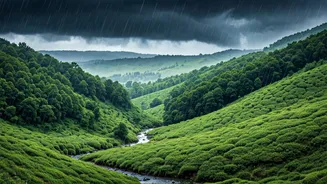
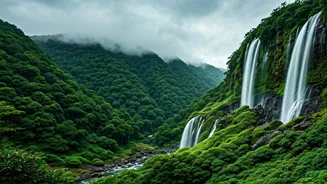
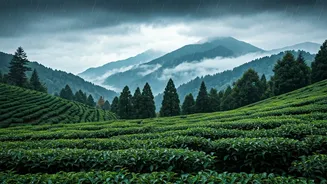
Munnar's rolling tea plantations are a sight to behold year-round, but the monsoon gives them an almost surreal, vibrant green hue. Located in the Western Ghats, Munnar receives heavy rainfall, but its well-established tourism infrastructure ensures that visitors can still enjoy its beauty safely. The rain breathes life into countless waterfalls and streams that crisscross the landscape. While some trekking trails might be closed, driving through the mist-covered hills, stopping at viewpoints like the Mattupetty Dam, and visiting the tea gardens offer a deeply romantic and refreshing experience. It's a prime destination for those who love nature and enjoy cozying up with a cup of fresh tea while watching the rain.
Coorg, Karnataka: The Scotland of India
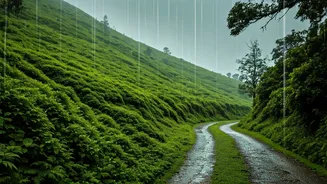
Coorg, or Kodagu, is famous for its sprawling coffee plantations, and July is when this landscape is at its most enchanting. The air is filled with the earthy scent of wet soil and fresh coffee blossoms. While it rains significantly, the region is generally considered a safe monsoon destination thanks to reliable roads and well-managed tourist facilities. The Abbey and Iruppu falls are thunderous and spectacular during this time. You can spend your days exploring the verdant estates, enjoying the local Kodava cuisine, or simply relaxing in a resort with panoramic views of the rain-drenched hills. It's a sensory experience that defines monsoon travel in South India.
Mount Abu, Rajasthan: An Oasis in the Desert
While most of Rajasthan is arid, its sole hill station, Mount Abu, offers a surprisingly lush and cool retreat during the monsoon. The Aravalli Hills surrounding the town turn green, and the clouds often descend, creating a soft, misty atmosphere. Nakki Lake, a popular spot, gets filled with rainwater, making it perfect for boating. Because it receives less intense rainfall compared to the Western Ghats or the Himalayas, the risk of weather-related disruptions is significantly lower. It’s an ideal choice for those in western India looking for a quick and safe getaway to enjoy a gentler version of the monsoon.
Tawang, Arunachal Pradesh: A Different Monsoon Rhythm
For the more adventurous traveller, Tawang offers a unique monsoon experience. While July is a monsoon month, the rainfall here is often less intense than in other parts of Northeast India. More importantly, the region's infrastructure, heavily supported by the Indian Army and the new Sela Tunnel, ensures that connectivity is surprisingly robust. The risk of getting stranded by landslides, while always present in the mountains, is well-managed. In return for navigating the journey, you are rewarded with breathtaking landscapes of verdant valleys, dramatic clouds, and ancient monasteries that seem to float in the mist. It's a safe but thrilling option for those wanting to avoid the crowds and experience the Himalayas in their raw, rainy splendour.