

A Symphony of Green and Silver
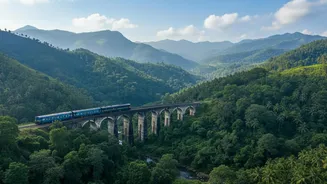
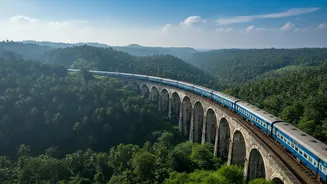
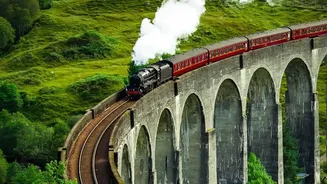
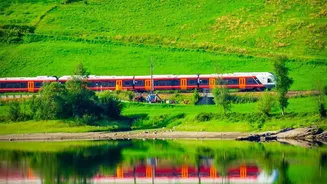
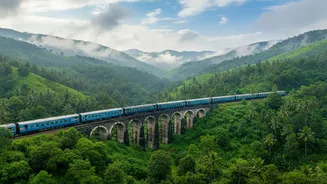
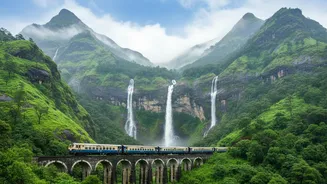
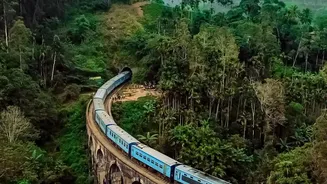
The true spectacle of a monsoon train journey through the Western Ghats is the landscape itself. The rains transform the region into a vibrant tapestry of every shade of green imaginable. Hillsides that were brown and weary in the summer suddenly burst
with life, covered in a lush, velvety carpet. The journey becomes a moving painting where countless seasonal waterfalls, some mighty and some like delicate silver threads, cascade down rocky cliffs. As the train meanders through valleys and climbs gradients, you're enveloped in a world of mist and low-hanging clouds, creating a mysterious and romantic atmosphere that no other mode of transport can replicate. It’s a sensory experience—the smell of wet earth, the cool spray from a nearby cascade, and the rhythmic sound of the train against the backdrop of the rain.
The Konkan Railway: An Engineering Marvel
Perhaps the most celebrated route for this experience is the Konkan Railway, which connects Maharashtra, Goa, and Karnataka along the coast. An engineering marvel in its own right, this route features over 2,000 bridges and 91 tunnels, threading through some of the most challenging terrains of the Western Ghats. During the monsoon, a ride on the Mandovi Express or Jan Shatabdi Express from Mumbai to Goa becomes a visual feast. The train snakes past swollen rivers, verdant paddy fields, and dense forests, offering dramatic views of the rain-soaked Sahyadris. This journey is a favourite among travellers and photographers who come to witness the region's tropical charm amplified by the seasonal downpour.
Iconic Routes Beyond the Coast
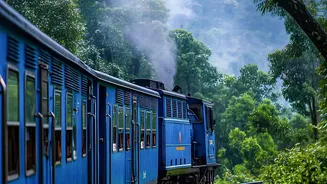
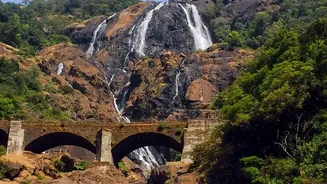
While the Konkan route is a showstopper, other journeys offer equally breathtaking monsoon vistas. The train ride towards Dudhsagar Falls, particularly on the Vasco da Gama to Londa line, is legendary. During the monsoon, the waterfall is at its most powerful, and trains often slow down, allowing passengers to witness the magnificent 'Sea of Milk' in its full glory. Another unforgettable experience is the Nilgiri Mountain Railway, a UNESCO World Heritage Site. This 'toy train' journey from Mettupalayam to Ooty chugs through misty tea plantations and eucalyptus forests, offering a nostalgic and picturesque ride. Although monsoon rains can sometimes cause delays, the ethereal beauty of the Nilgiris under a blanket of mist is well worth the flexible planning.
Why Your Wallet Will Thank You
Beyond the scenic beauty, train travel in India remains one of the most economical ways to explore the country. Compared to the soaring costs of flights or the expense and hassle of driving during the monsoon, a train ticket is incredibly budget-friendly. Fares for even the most scenic routes can be surprisingly low, with options ranging from affordable sleeper classes to more comfortable air-conditioned coaches. A journey on the Mumbai-Goa route, for instance, can cost a fraction of a flight ticket, leaving you with more to spend on experiences at your destination. Booking in advance through the IRCTC website is the best way to secure a good seat at a standard price, making this epic journey accessible to almost every traveller.
Tips for the Perfect Monsoon Journey
To make the most of your trip, a little planning goes a long way. Book a daytime train to ensure you don’t miss the stunning ghat sections in the dark. When booking, try to get a window seat; asking frequent travellers or checking the route direction online can help you pick the side with the best views. Pack light, but include a waterproof jacket and protection for your electronics. While the views are incredible, be mindful of safety, as railways enforce stricter rules during the monsoon for good reason. Finally, embrace the unpredictability. Heavy rains can sometimes lead to delays, so it's wise to build some buffer time into your itinerary and check the train status before you leave.