





More Than Just Waste
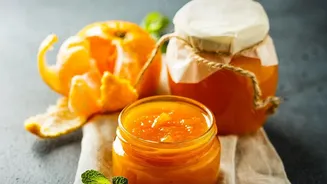
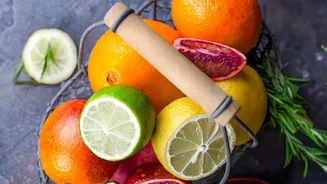
In the quest for a more sustainable kitchen, every scrap has potential. Orange peels, which usually head straight for the compost bin, are a prime example of hidden culinary gold. Far from being simple food waste, they are concentrated sources of flavour
and beneficial compounds. The peel contains significantly more vitamin C than the fruit's pulp and is rich in powerful antioxidants known as polyphenols. By rethinking how we see these leftovers, we can unlock new flavours and nutritional benefits that would otherwise be lost. Making chutney is a time-honoured method of preserving fruit, and applying it to orange peels is a creative, no-waste solution that results in a uniquely delicious condiment.
The Gut-Friendly Connection
The term "gut-friendly" isn't just a buzzword when it comes to orange peels. The secret lies in their high concentration of pectin, a type of soluble fibre. Pectin functions as a prebiotic, which means it serves as food for the beneficial bacteria living in your digestive system. A healthy and diverse gut microbiome is linked to improved digestion, a stronger immune system, and better overall metabolic health. When these good bacteria ferment pectin, they produce short-chain fatty acids, which are vital for maintaining a healthy gut lining. Studies have shown that pectic oligosaccharides, derived from citrus peels, can selectively boost the growth of beneficial microbes like bifidobacteria and lactobacilli. So, this chutney doesn't just taste good; it actively contributes to a healthier internal ecosystem.
A Note on Sourcing and Prep
Before you start cooking, it's important to consider your oranges. Since you'll be eating the peel, it's best to use organic, unwaxed oranges to avoid pesticide residues and other chemicals. If you can't find organic, be sure to scrub the peels thoroughly under hot water. To prepare the rinds, you'll want to remove as much of the white, spongy pith as possible, as it can be quite bitter. A sharp knife or a vegetable peeler works well for this. While the tough texture of raw peels can be hard to digest, the cooking process for chutney softens them considerably, making them tender and easy to eat. A common technique to reduce bitterness further is to boil the peels in water and discard the water before proceeding with the recipe.
Easy Orange Rind Chutney Recipe
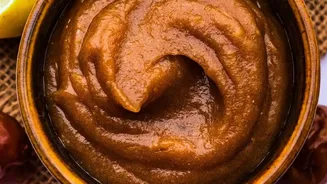
This recipe balances the natural bitterness of the peel with sweet, sour, and spicy notes for a perfectly balanced condiment. Ingredients: - Peels from 2 large organic oranges, pith removed and finely chopped - 1 tablespoon of vegetable oil - 1 teaspoon mustard seeds - 1 small onion, finely chopped - 1-inch piece of ginger, grated - 2 cloves garlic, minced - 1/4 cup apple cider vinegar - 3 tablespoons jaggery or brown sugar - 1/2 teaspoon turmeric powder - 1/4 teaspoon red chilli flakes (or to taste) - Salt to taste Instructions: 1. Heat the oil in a saucepan over medium heat. Add the mustard seeds and cook until they begin to pop. 2. Add the chopped onion and sauté until soft and translucent. Add the grated ginger and minced garlic, and cook for another minute until fragrant. 3. Add the finely chopped orange peel to the pan and stir well. Cook for 5-7 minutes, allowing the peels to soften slightly. 4. Pour in the apple cider vinegar, then add the jaggery (or brown sugar), turmeric powder, chilli flakes, and salt. Stir until the jaggery has completely dissolved. 5. Reduce the heat to low, cover the pan, and let the chutney simmer for 20-25 minutes, stirring occasionally. The chutney is ready when the peels are tender and the mixture has thickened to a jam-like consistency. If it becomes too thick, you can add a splash of water.
Serving and Storing Your Chutney
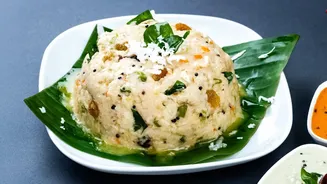
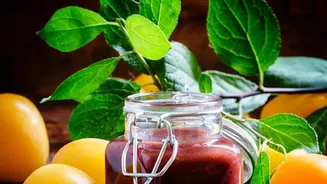
Once cooked, allow the chutney to cool completely before transferring it to a sterilised, airtight glass jar. Stored in the refrigerator, it will keep well for several weeks, with the flavours continuing to meld and deepen over time. The versatility of this chutney is one of its greatest strengths. It's a fantastic accompaniment to cheese and crackers, adding a bright, zesty counterpoint to rich and creamy cheeses. Spread it on toast for a vibrant breakfast, or spoon it alongside grilled meats, sausages, or roasted vegetables. It can also add a complex sweet-and-sour element to curries and rice dishes, cutting through richness and adding a layer of bright, citrusy flavour.