


The Savory Touch of Gopalkala
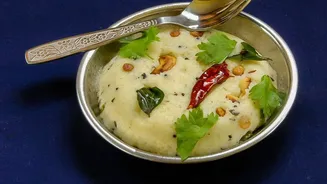
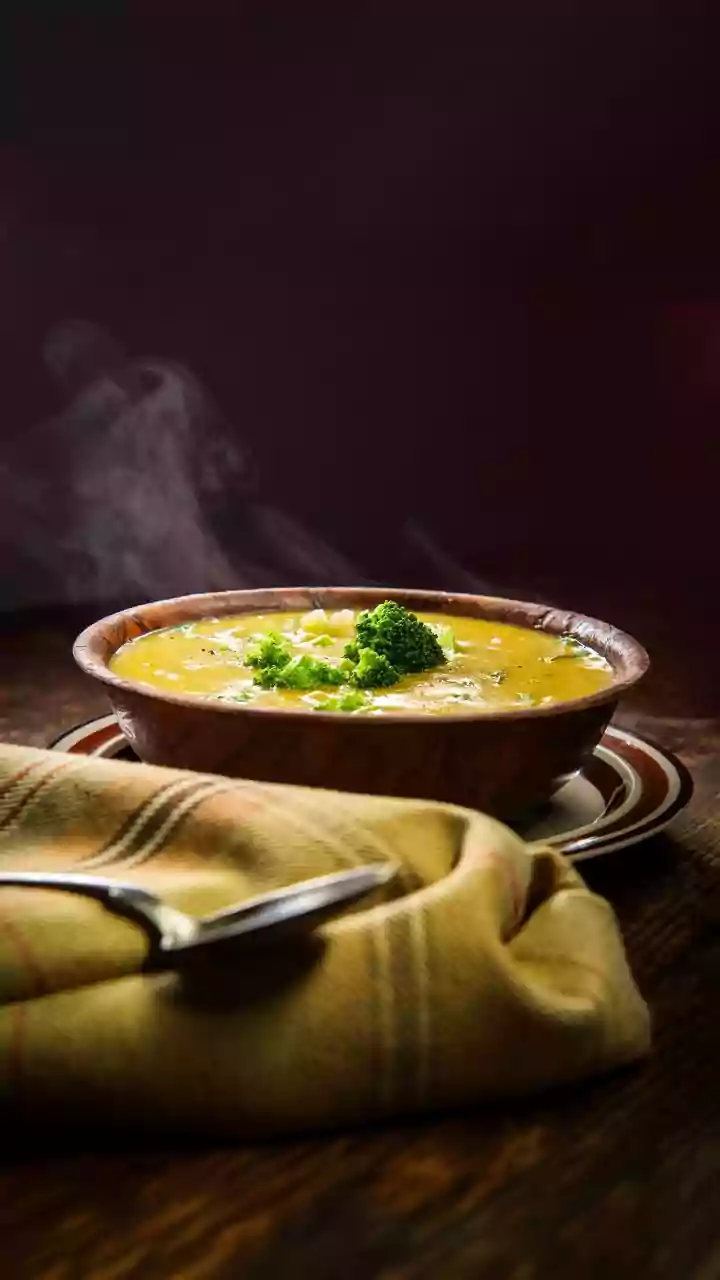
A Maharashtrian classic, Gopalkala is a savory delight that stands out amongst the sweeter offerings. This dish is a simple, no-cook preparation made with flattened rice (poha), fresh curd, chopped cucumber, and grated coconut. It's seasoned with a tempering
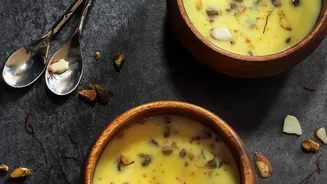
of ghee, cumin seeds, and green chillies. The significance of Gopalkala lies in its connection to Lord Krishna's childhood; it is believed to represent the meal he shared with his friends, the cowherds, mixing whatever food they all brought together. This easy-to-make dish is not only delicious but also carries a beautiful story of friendship and community, making it a meaningful addition to the bhog.
Bengal's Monsoon Delight: Taler Bora
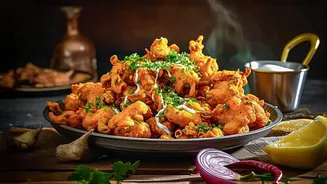
In Bengal, Janmashtami coincides with the monsoon season, which brings with it the ripe palmyra fruit, or 'taal'. This fruit is the star ingredient for Taler Bora, sweet, deep-fried fritters that are a festive staple. The pulp of the ripe palm fruit is mixed with rice flour, sugar or jaggery, and grated coconut to form a thick batter, which is then fried to a golden-brown perfection. The resulting fritters are wonderfully fragrant, with a unique bittersweet taste that is both rustic and divine. According to tradition, the sugar palm is a favourite of Lord Krishna, making these fritters a cherished offering during the festival.
A Crunchy Treat from the South: Uppu Seedai
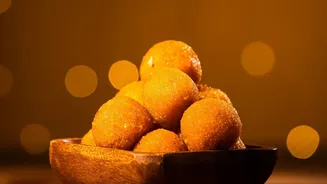
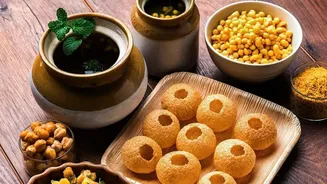
Travel south to Tamil Nadu, and you'll find that Krishna Jayanthi celebrations are incomplete without Seedai. Uppu Seedai, the savory version, are small, crunchy balls made from rice flour and urad dal flour. The dough is seasoned with salt, asafoetida, and often butter, then rolled into tiny, imperfect spheres and deep-fried until crisp. Preparing Seedai is considered an art, with family members often coming together to roll the small balls. While they require some patience, their delightful crunch makes them a popular snack to offer as neivedhyam and share with family.
The Richness of Meva Paag
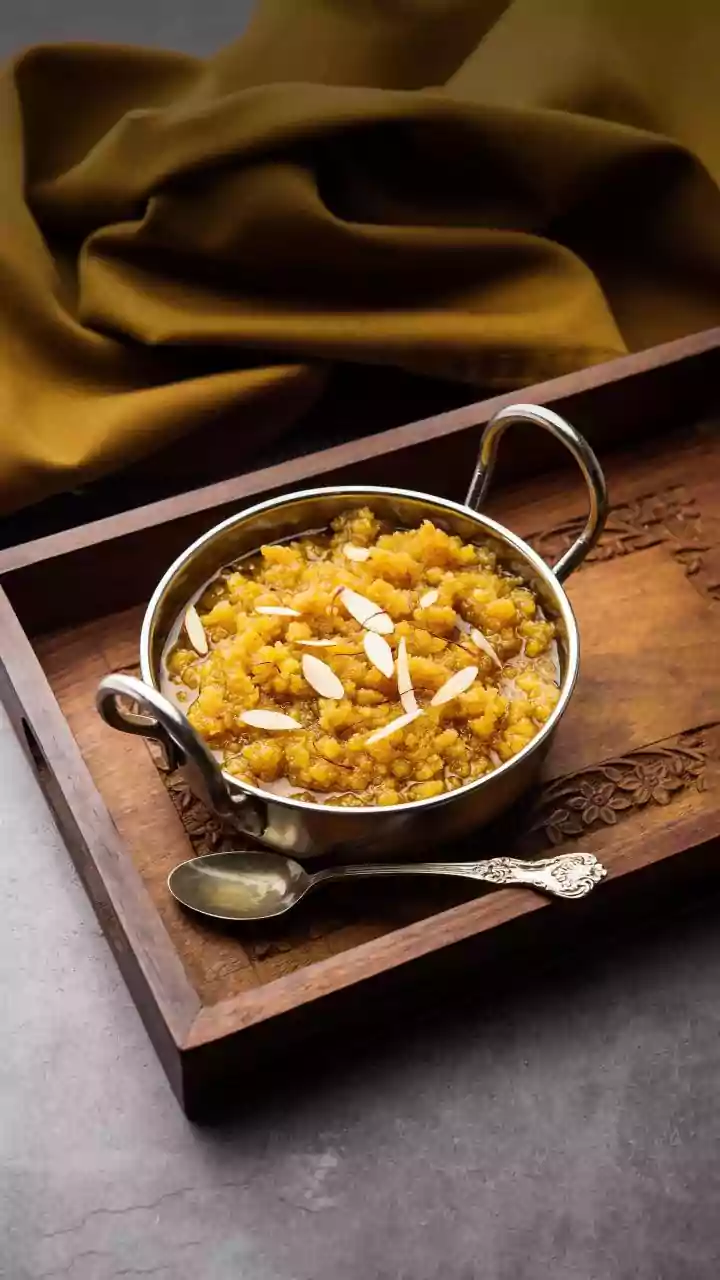
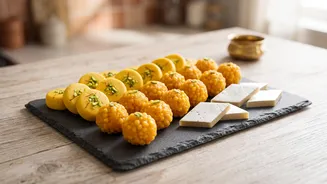
A specialty from North India, particularly Uttar Pradesh, Meva Paag is a rich and decadent sweet perfect for festive feasting. This brittle-like dessert is made by roasting a generous mix of 'mewa' or dry fruits and nuts like lotus seeds (makhana), almonds, cashews, and melon seeds in ghee. These roasted nuts are then combined with a hot sugar syrup and set in a tray to cool and harden, before being cut into squares. Meva Paag is a powerhouse of energy and flavour, making it an ideal treat for those observing a fast on Janmashtami. It's a truly luxurious offering that reflects the celebratory spirit of the occasion.
The Aromatic Dhaniya Panjiri
While wheat-based Panjiri is common, a lesser-known but equally traditional variant is Dhaniya Panjiri. This version is especially significant for those who are fasting, as it avoids grains. The star ingredient is coriander seed powder, which is roasted in ghee until fragrant. It is then mixed with powdered sugar, chopped nuts, and makhana (fox nuts). This unique preparation has a distinct, warm, and spicy-sweet flavour profile that is incredibly aromatic. It is not only a delicious prasad but is also considered to have digestive properties, making it a thoughtful and wholesome offering for breaking the fast at midnight.