





Wash and Dry Immediately
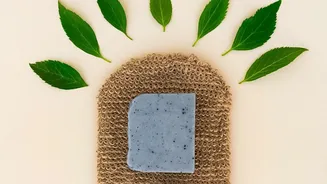
The single most important step after walking through rainwater is to clean your feet as soon as possible. Wash them thoroughly with a mild soap or antiseptic solution and warm water, paying close attention to the spaces between your toes where moisture
and germs can get trapped. After washing, drying them completely is crucial. Use a clean, soft towel and pat the skin dry, especially between the toes. Leaving any dampness behind creates the perfect breeding ground for fungal infections like Athlete's Foot.
Choose the Right Footwear
Your choice of footwear plays a significant role in foot health during the monsoon. Opt for open-toed, waterproof sandals or flip-flops that allow your feet to breathe and dry quickly. These styles prevent water from getting trapped. If you must wear closed shoes, choose those made from quick-drying, breathable materials. Avoid leather and canvas shoes, as they absorb water and take a long time to dry, increasing the risk of fungal growth. It is also wise to rotate between at least two pairs of shoes to ensure each pair can dry out completely before you wear it again.
Use Antifungal Powder
For an extra layer of protection, especially if your feet sweat a lot, make antifungal powder your best friend. After drying your feet thoroughly, sprinkle a good quality antifungal powder all over, particularly between the toes. You can also dust some inside your socks and shoes before wearing them. This helps absorb excess moisture, keeps your feet dry, and actively prevents the growth of fungus that leads to infections and odour.
Maintain a Daily Care Routine
A consistent daily routine can prevent many monsoon-related foot problems. Beyond the immediate post-rain wash, make it a habit to exfoliate your feet regularly with a pumice stone or a gentle scrub to remove dead skin cells. This prevents the buildup that can harbour germs. Follow up by moisturising your heels and soles to prevent cracks, which can become entry points for infection. However, avoid applying cream between your toes, as the extra moisture can be counterproductive. Also, keep your toenails trimmed short and clean to stop dirt and microbes from accumulating underneath them.
Know the Warning Signs
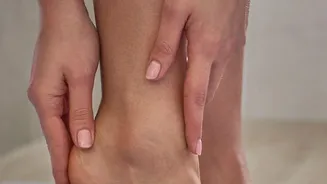
Despite taking precautions, infections can still occur. Be vigilant and inspect your feet daily for any signs of trouble. Common symptoms of a fungal infection include persistent itching, especially between the toes, burning sensations, redness, and peeling or cracked skin. Bacterial infections might present as painful boils or swelling. A persistent bad odour from your feet is another indicator that something is amiss. If you notice any of these symptoms, or if a minor cut seems to be getting worse, it's best to act quickly. Over-the-counter antifungal creams can often help, but stubborn issues require professional advice.