






The New Pilgrimage of Self-Discovery
A significant shift is underway in how young Indians perceive travel. Once dominated by checklist tourism and vibrant nightlife, the focus for many is now turning inward. Recent data reveals a surprising surge in spiritual travel among Gen Z and millennials,
who now account for over half of visitors to some of India's most sacred destinations. This isn't about conventional pilgrimage driven by religious obligation; it's a modern quest for mental clarity, personal growth, and a break from the pressures of a hyper-connected world. Young travellers are blending faith, wellness, and cultural curiosity, turning ancient routes into paths of self-discovery and seeking silence over spectacle.
The Unique Allure of the Monsoon
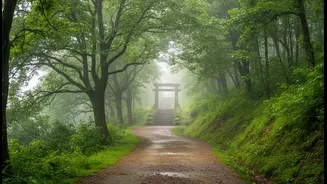
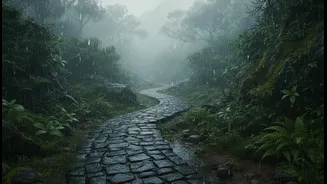
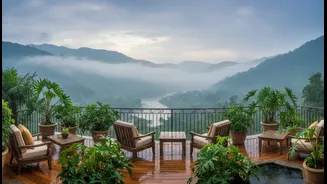
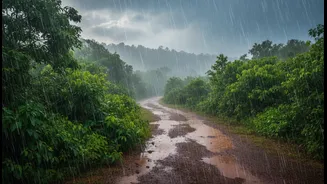
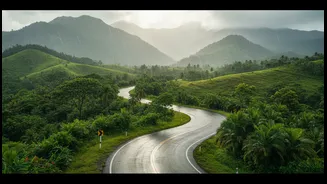
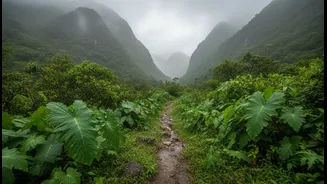
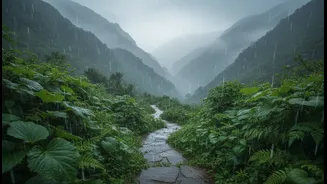
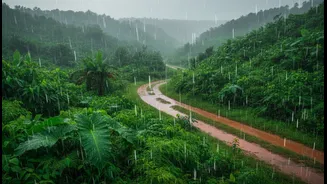
For this new kind of journey, the monsoon season is no longer an off-season to be avoided but a destination in itself. The rains transform India’s landscapes into lush, emerald wonderlands, washing away dust and bringing a sense of renewal that perfectly complements an introspective mood. Destinations in the Western Ghats, such as those in Kerala, Karnataka, and Maharashtra, become particularly enchanting. The cooler temperatures, fewer crowds, and lower prices make it an ideal time for slow travel. The rhythmic sound of the rain, misty hills, and overflowing waterfalls create a meditative backdrop that encourages travellers to pause, reflect, and connect with nature on a deeper level.
From Religion to Holistic Spirituality
While destinations like Varanasi, Rishikesh, and Tirupati remain popular, the motivation for visiting has evolved. For many young people, spirituality is less about adhering to rigid dogma and more about holistic wellness. An MTV Youth Study found that 62% of Gen Z Indians believe spirituality helps provide clarity. This has fueled a boom in wellness tourism, with travellers seeking out yoga retreats, meditation centres, and Ayurvedic treatments as part of their itinerary. Kerala has long been a benchmark, promoting the monsoon as the ideal time for Ayurvedic therapies. Even Goa, traditionally known for its parties, is being reimagined as a wellness hub for a new generation.
Embracing the 'Slow' in Travel
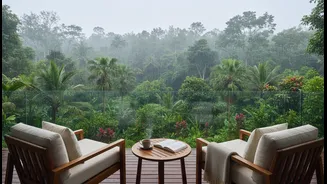
At the heart of this trend is the concept of 'slow travel'. It is a deliberate move away from packed schedules and towards more immersive and meaningful experiences. Instead of rushing between sights, these travellers prefer to stay in one place longer, perhaps in a quiet homestay or a plantation bungalow in Coorg or Wayanad. The goal is to connect with the local culture, savour regional cuisine, and spend time in nature without a pressing agenda. This approach is a direct antidote to digital burnout, offering a chance to disconnect from screens and reconnect with oneself. Many travellers deliberately choose destinations with limited phone connectivity, like parts of Zanskar or remote valleys, to ensure a true digital detox.
Where Soul-Searching Meets the Rain
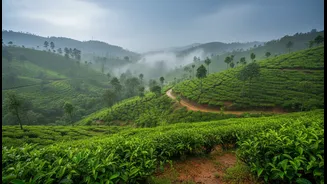
The map for this monsoon soul-searching is diverse. In the South, the rain-drenched tea estates of Munnar and the serene backwaters of Kerala offer classic wellness escapes. The Western Ghats in Karnataka and Tamil Nadu provide quiet retreats in places like Sakleshpur and Valparai. In the North, Rishikesh remains a spiritual hub, though travellers must be mindful of monsoon safety in the Himalayas. Even the desert state of Rajasthan has its monsoon charm, with cities like Udaipur offering a romantic and peaceful atmosphere around its full lakes. The Northeast, particularly Meghalaya, is a prime destination for those chasing dramatic rains, living root bridges, and cloud-covered hills.