




A Change in the Weekend Getaway
For years, the formula for a coastal getaway was simple: sun, sand, and all-night parties. Destinations like Goa became legendary for their vibrant nightlife. Gokarna, its quieter cousin in Karnataka, was often seen as a more spiritual or backpacker-focused
alternative. However, a noticeable shift is underway. An increasing number of urban dwellers from Bangalore, Mumbai, and Hyderabad are bypassing the crowded club scene for something far more restorative. They are seeking solace in Gokarna's lush, rain-drenched landscapes during the monsoon months, a time traditionally considered the 'off-season'. This trend isn't just about avoiding crowds; it reflects a deeper change in travel priorities, where wellness, sustainability, and tranquility are the new luxuries.
The Monsoon's Allure
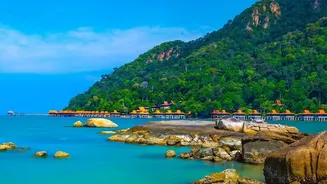
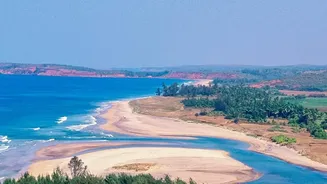
Visiting a beach destination during the monsoon might seem counterintuitive, but in Gokarna, the rainy season transforms the region into a paradise of green. From June to September, the Western Ghats that frame the town become incredibly lush, waterfalls cascade down cliffs directly onto the sand, and the entire landscape feels washed clean. The Arabian Sea becomes a dramatic, powerful force, making swimming unsafe but creating a spectacular backdrop for contemplation. While water sports and beach lounging are off the table, activities shift towards trekking through misty trails, visiting the ancient Mahabaleshwar Temple without the usual throngs of tourists, and café-hopping to enjoy fresh seafood while watching the stormy skies. The biggest draw is the peace; the once-bustling beaches like Kudle and Om become serene havens for quiet walks and reflection.
The Rise of the Eco-Lodge
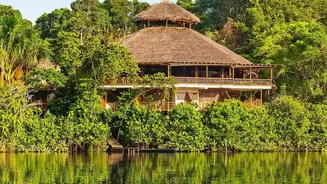
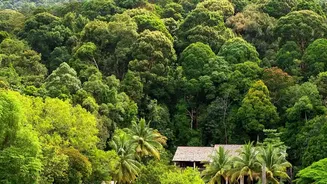
At the heart of this trend is the eco-lodge, a new breed of accommodation that prioritizes sustainability and a connection with nature. These aren't just rustic huts; places like Stone Wood Nature Resort, Mangrove Eco Stay, and Ombodhi Retreat offer comfortable and even luxurious stays that are built in harmony with their surroundings. Their philosophy often includes using local materials, practicing waste reduction, serving farm-to-table meals, and preserving the natural habitat. They are designed to be sanctuaries where guests can disconnect from the digital noise of city life. Instead of DJ nights, their main attractions are yoga pavilions overlooking the valley, spice plantation tours, and quiet sit-outs with panoramic views of the sea.
From Party Vibe to Peaceful Retreat
Gokarna’s nightlife has always been more relaxed compared to Goa's, often consisting of live music at beachside cafes rather than large-scale clubs. During the monsoon, this quietude is amplified. The new wave of travelers isn't looking for a party. They are writers, artists, and professionals seeking a work-from-anywhere retreat or a digital detox. The itinerary has changed from bar-hopping to bird-watching, from dancing until dawn to waking up for a morning yoga session. This more contemplative style of travel is facilitated by the very nature of Gokarna's geography, where secluded beaches are often connected by scenic walking trails rather than busy roads, encouraging a slower pace of life.
More Than Just a Passing Trend
This shift towards quiet, eco-conscious travel in Gokarna is more than just a seasonal fad. It taps into a global movement towards slow travel and wellness. Travelers are increasingly looking for authentic experiences that offer a genuine escape and a chance to recharge. The monsoon season, with its dramatic beauty and fewer tourists, provides the perfect setting for this. While the sun-drenched, high-season version of Gokarna still has its appeal, the town's monsoon persona offers a different, more profound experience. It dismantles the idea of a vacation as mere consumption and instead invites a return to nature and to oneself.