




Embrace Colonial Charm in Tea Bungalows
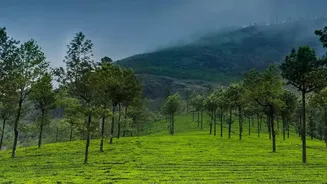
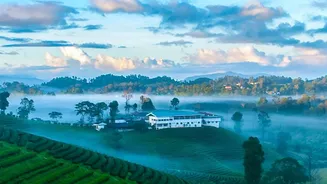
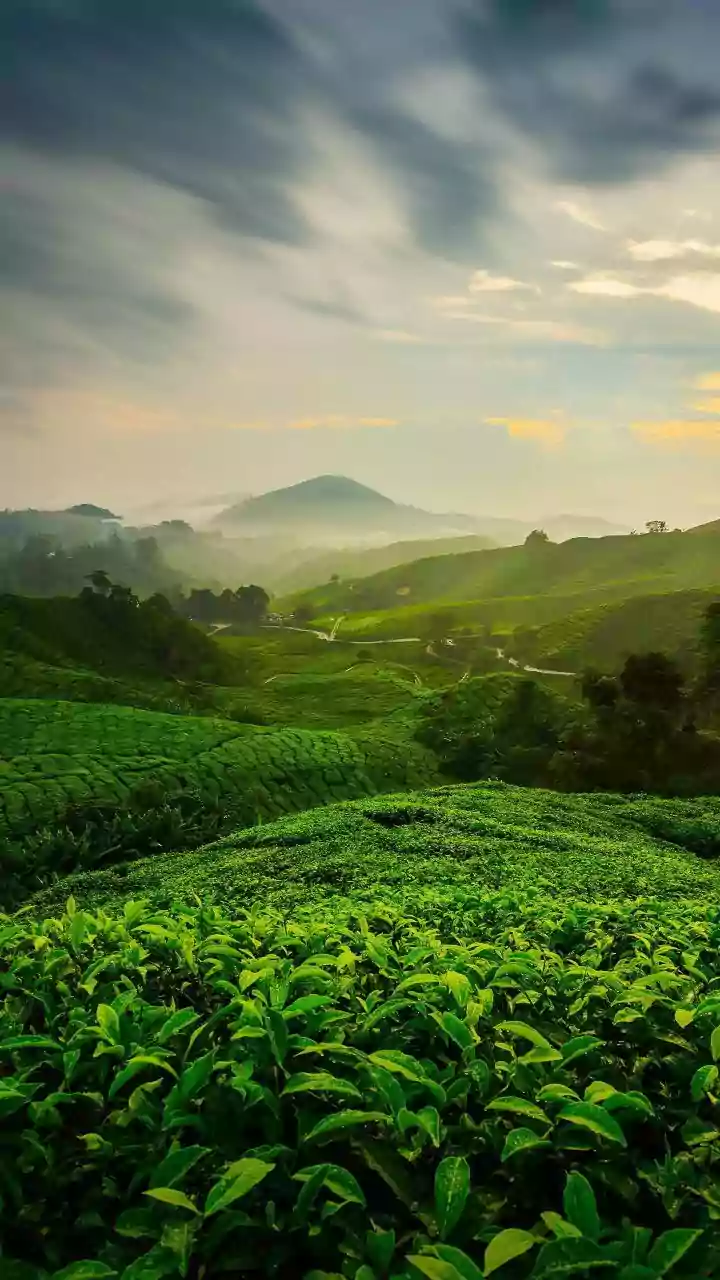
Imagine waking up to mist-covered vistas of endless green, a freshly brewed cup of tea in hand. This is the experience offered by Assam’s heritage tea garden bungalows. Located in the heart of sprawling estates in regions like Jorhat and Dibrugarh, these
colonial-era homes offer a portal to a bygone era. Life here moves at a different pace. Days are spent on leisurely walks through the tea bushes, observing the art of leaf-plucking, and learning about the tea-making process in historic factories. Many bungalows, such as those in the Gatoonga and Wild Mahseer estates, retain their old-world charm with period furniture and sprawling verandas, inviting you to simply sit, read, and soak in the profound peace of your surroundings. It’s an escape that combines relaxation with a deep appreciation for the culture that defines Assam.
Discover Island Life on Majuli
The world's largest river island, Majuli, is an epitome of the slow-paced lifestyle. Accessible only by a ferry across the Brahmaputra, arriving here feels like stepping into another world. The island is a hub of Neo-Vaishnavite culture, centered around its unique monasteries or 'satras', where ancient traditions of music, dance, and mask-making are preserved. The best way to explore is by renting a bicycle and meandering along dirt paths through paddy fields and Mising tribal villages. Accommodation often consists of simple, eco-friendly bamboo cottages and homestays run by local families, offering an authentic glimpse into island life. Here, your schedule is dictated by sunrises, sunsets, and the gentle rhythm of the river, making it a perfect destination for those seeking cultural immersion and digital detox.
Connect with Nature at Riverside Eco-Camps
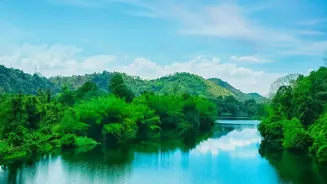
For those who feel the pull of the wild, riverside eco-camps offer an immersive natural retreat. Nameri National Park, located on the banks of the Jia Bhoroli river, is a prime example. Stays like the Nameri Eco Camp provide basic but comfortable cottage and tented accommodations that blend into the forest surroundings. The experience is less about luxury and more about connection. Days can be filled with gentle river rafting, jungle treks accompanied by forest guards, and exceptional birdwatching—over 350 species, including the endangered White-winged wood duck, call this area home. Evenings are spent around a campfire, listening to the sounds of the jungle. These camps, often run by conservation groups, allow you to be close to nature while supporting its preservation.
Experience Community-Led Tourism
A truly slow and meaningful travel experience involves connecting with local people. Across Assam, community-led tourism initiatives are creating opportunities for authentic cultural exchange. In villages near national parks like Manas or in artisan communities like Sualkuchi, the famous silk-weaving village, locals are opening their homes and sharing their way of life. For instance, the Singpho community near the Dehing Patkai belt runs an eco-lodge that showcases their unique culture and their special method of preparing organic tea. These stays not only provide an intimate look into the traditions and cuisines of Assam’s diverse ethnic groups but also ensure that your travel spending directly supports the local economy. Schemes like 'Amar Alohi' are further empowering these communities to offer visitors a warm, genuine welcome.