






Embrace Hot, Freshly-Cooked Meals
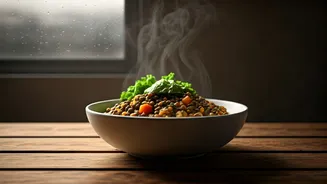
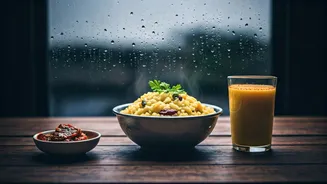
During the rainy season, your digestive system can become more sluggish. This is the time to favour warm, light, and freshly prepared food over cold or raw items. Think comforting soups, steamed vegetables, and well-cooked dals. A hot meal not only feels
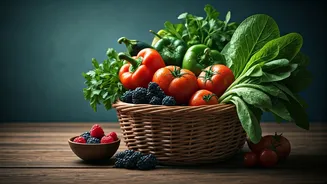
nourishing on a rainy day but is also safer. High cooking temperatures kill most of the harmful bacteria and viruses that thrive in the damp monsoon weather, reducing your risk of stomach infections. Avoiding raw foods like salads is a wise move, as leafy greens can be difficult to clean thoroughly and may harbour microbes. Instead, opt for vegetables that can be steamed or boiled, ensuring they are safe to eat.
Choose Your Produce Wisely
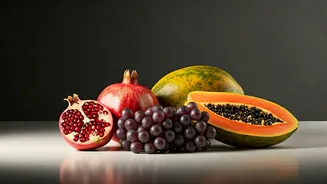
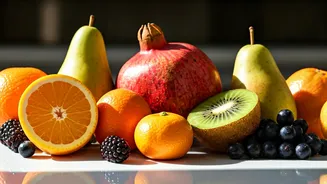
While leafy vegetables like spinach and cabbage are best consumed cooked, the monsoon is a great time to enjoy seasonal gourds. Vegetables like bitter gourd (karela), bottle gourd (lauki), and pointed gourd (parwal) are excellent choices. They are not only easy to digest but are also packed with essential nutrients to keep your immunity strong. When buying vegetables, look for fresh and firm produce, avoiding anything that looks wilted or has been sitting in dirty water. Always wash fruits and vegetables thoroughly under running water before cutting or cooking. For fruits, it's safer to choose those with peels you can remove, like bananas and pomegranates, and eat them fresh after cutting.
Harness the Power of Spices
Indian kitchens are a treasure trove of spices that do more than just add flavour. Many traditional spices have powerful medicinal properties that are especially beneficial during the monsoon. Ginger, garlic, turmeric, and black pepper are known for their anti-inflammatory, antibacterial, and immunity-boosting qualities. Adding a bit of ginger to your tea can soothe a sore throat, while turmeric in warm milk is a classic remedy for fighting off infections. These spices also aid digestion, helping your body process food more efficiently during a season when your digestive fire, or 'Agni' as per Ayurveda, is considered to be weaker.
Navigating Monsoon Street Food Cravings
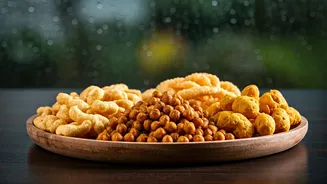
The craving for a hot plate of pakoras or a roasted bhutta (corn on the cob) is almost universal when it rains. While it's best to limit street food, you don't have to avoid it entirely. The key is to make smart choices. Opt for snacks that are prepared fresh and served piping hot in front of you. This includes freshly fried samosas, pakoras, or steamed items like idlis and momos. Be extremely cautious with anything containing uncooked ingredients or water from an unknown source, such as pani puri, raw chutneys, and fresh juices. The risk of waterborne diseases like typhoid and cholera increases dramatically during this season.
Water Purity Is Non-Negotiable
Contaminated water is one of the biggest health threats during the monsoon. It is crucial to ensure that the water you drink is safe. The best practice is to boil your drinking water for at least one minute or use a reliable water filter. Avoid drinking water from any source you are unsure about, especially from street vendors. This rule extends to ice as well; avoid ice in your drinks at restaurants or from street stalls unless you are certain it was made with purified water. Carrying your own water bottle when you go out is a simple and effective way to stay hydrated and safe.
What to Reduce or Avoid
To keep your digestive system happy, it's a good idea to cut back on certain foods. Heavy, oily, and excessively spicy dishes can be hard to digest and lead to bloating and indigestion. This is also the breeding season for many types of fish and prawns, so it's often recommended to avoid seafood to ensure freshness and prevent infections. Some also advise limiting dairy products like curd and paneer, as they can spoil quickly in the humidity and may aggravate colds and coughs. By being mindful of these simple dietary tips, you can protect your health and fully enjoy the beauty of the monsoon.