





As winter arrives, our plates can become monotonous. But fighting the chill doesn't have to mean boring meals. India's rich seasonal produce offers a vibrant, nutritious, and accessible way to diversify your diet and boost your well-being.
Bajra (Pearl Millet)
A staple in
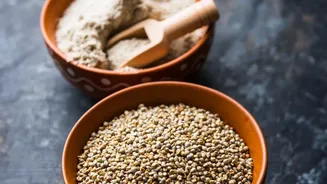
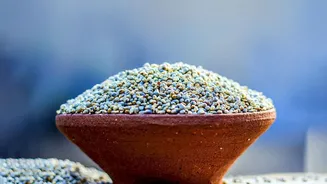
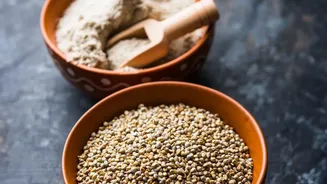
states like Rajasthan and Gujarat, bajra is a wonderfully warming grain perfect for winter. Its high thermogenic effect helps generate body heat, making you feel naturally warmer. Rich in fibre, protein, iron, and magnesium, this gluten-free millet provides sustained energy, helping to combat winter sluggishness without causing sharp spikes in blood sugar. Bajra's fibre content also aids digestion, which can often become sluggish during the colder months. Easily accessible across India in flour form, it can be used to make rotis, khichdi, or a hearty porridge.
Sarson ka Saag (Mustard Greens)
No North Indian winter is complete without this iconic dish. Mustard greens, or sarson, are abundant during the colder months and are packed with nutrients. They are an excellent source of vitamins A, C, and K, which are crucial for immunity, bone health, and vision. Often cooked with other greens like spinach and bathua (chenopodium), sarson ka saag provides a significant amount of dietary fibre. While traditionally paired with makki ki roti, these nutritious greens can also be incorporated into other dishes to add a unique, earthy flavour to your winter plate.
Amla (Indian Gooseberry)
Amla is a true winter superfood, with its peak season running from October to February. Famously potent in vitamin C, amla contains significantly more of this immune-boosting vitamin than an orange. This makes it a powerful ally against common winter illnesses like colds and flu. Its antioxidant properties also help protect the body's cells from damage. Though intensely sour when fresh, amla is incredibly versatile. It can be consumed as a juice, made into a murabba (sweet preserve), pickled, or dried into a candy, making it easy to add to your daily routine.
Shakarkandi (Sweet Potato)
A common sight at street food stalls during winter, shakarkandi is far more than just a tasty snack. This root vegetable is a nutritional powerhouse, exceptionally rich in beta-carotene, which the body converts to vitamin A. This vitamin is vital for good vision, a strong immune system, and healthy skin, which often suffers in the dry winter air. Sweet potatoes also provide a good amount of dietary fibre, which supports digestive health and adds to a feeling of fullness. Whether roasted, boiled, or added to curries, they offer a naturally sweet and grounding addition to meals.
Til (Sesame Seeds)
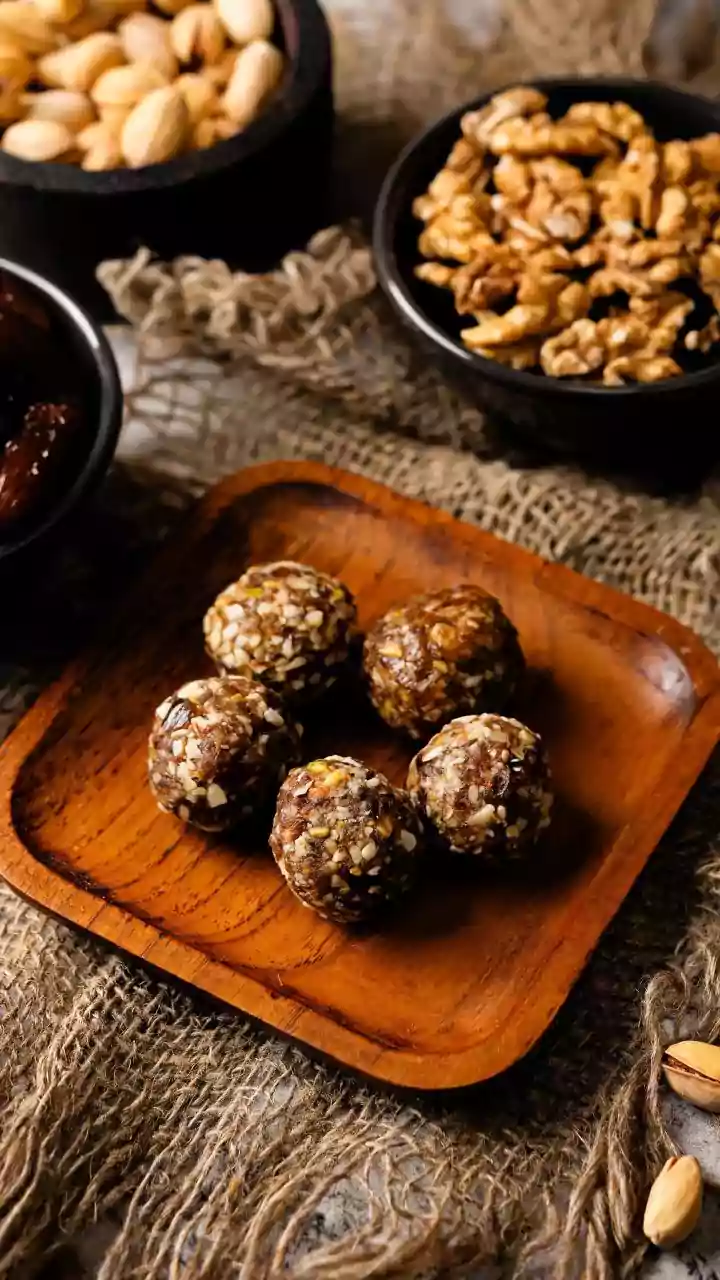
Sesame seeds have long been a cornerstone of Indian winter traditions, and for good reason. According to Ayurveda, til is considered a warming food, helping the body generate internal heat. These tiny seeds are packed with healthy fats, protein, calcium, magnesium, and zinc. This nutrient density supports everything from bone health to immunity. The healthy fats and vitamin E in sesame seeds also help nourish the skin and hair, combating the dryness that comes with cold weather. Enjoy them in traditional sweets like til ke ladoo and chikki, or simply sprinkle them over salads and rotis.
Gajar (Carrots)
Winter brings the arrival of deep red carrots, which are sweeter and juicier than their orange counterparts. These carrots are loaded with beta-carotene and vitamin C, both of which are fantastic for boosting immune function to help fend off winter illnesses. The vitamin A from beta-carotene is also crucial for good vision, particularly with the shorter, darker days of winter. Carrots are also high in fibre, aiding digestion and promoting a feeling of fullness. They are incredibly versatile, perfect for the classic Gajar ka Halwa, juiced, added to soups, or eaten raw in salads.
Adrak (Ginger)
Ginger is an essential winter spice, renowned for its warming properties that help improve blood circulation and fight the chill. Its active compounds, like gingerol, possess anti-inflammatory, antibacterial, and antiviral effects. This makes ginger a powerful natural tool for supporting the immune system during cold and flu season. It also aids digestion, helping to soothe the stomach and reduce bloating, which can be common after heavier winter meals. A simple cup of ginger tea is a classic remedy, but it can also be grated into curries, soups, and dals to add warmth and a wealth of health benefits.