




The daily puzzle of packing a lunch that is both healthy and convenient can feel overwhelming. Enter millets, India’s ancient super-grains, offering a simple, nutritious solution perfectly suited for the modern, busy kitchen.
Why Millets Are a Lunchtime Hero
For generations, millets like
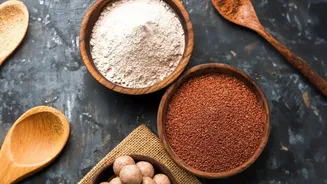
jowar, bajra, and ragi were staples in Indian diets before refined grains took center stage. Today, we are rediscovering their incredible benefits. Millets are naturally gluten-free and packed with dietary fibre, which aids digestion and helps you feel full for longer, preventing that post-lunch slump. They are also a powerhouse of essential minerals like iron, magnesium, and calcium. For instance, ragi is renowned for its high calcium content, while bajra is a great source of iron. With a low glycemic index, they release energy slowly, helping to manage blood sugar levels more effectively than refined grains like white rice.
Crafting the Perfect Millet Pulao
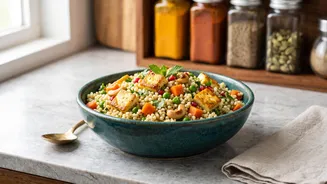
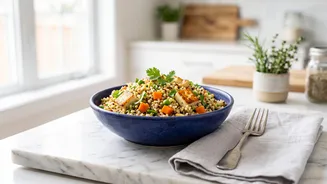
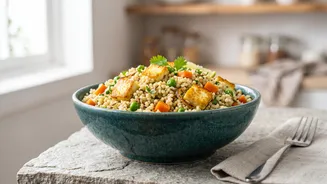
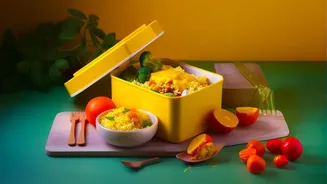
Making a fluffy, flavourful millet pulao is easier than you think and a fantastic way to incorporate these grains into your diet. Foxtail millet is an excellent choice as its grains tend to stay separate after cooking, mimicking the texture of Basmati rice. To begin, rinse the millet thoroughly 2-3 times. While some recipes suggest soaking, it is often not necessary for quick-cooking varieties like foxtail. Heat a little ghee or oil in a pressure cooker or pot and temper whole spices like cumin seeds, bay leaf, cinnamon, and cloves. Sauté onions until golden, add ginger-garlic paste, and then toss in your favourite chopped vegetables like carrots, beans, and peas. Add the drained millet, stir gently, and then add water—a 1:2 ratio of millet to water is a reliable starting point. Season with salt, bring to a boil, then cover and cook on a low flame until the water is absorbed, which usually takes 12-15 minutes. Let it rest for a few minutes before fluffing with a fork.
Easy Lunch Prep with Indian Staples
The key to a stress-free week of healthy lunches is not cooking entire meals in advance, but prepping components. This 'modular' approach works beautifully with Indian cooking. Spend some time over the weekend on a few simple tasks. You can make a large batch of onion-tomato-ginger-garlic base masala, which can be stored and used for various curries and sabzis throughout the week. Chop and store sturdy vegetables like carrots, beans, and cauliflower in airtight containers. You can even boil potatoes or chickpeas ahead of time. Pre-cooking a batch of millet to use for pulao, salads, or khichdi is another time-saver. With these components ready, assembling a fresh and balanced lunch box each morning becomes a quick, 15-minute task rather than a chore.
Building a Balanced Tiffin Box
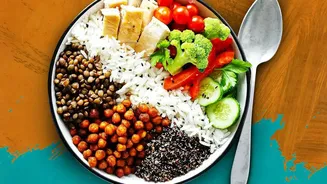
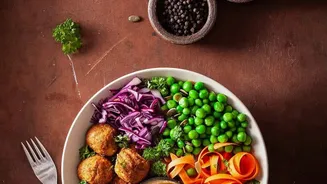
A truly balanced lunch box should contain a mix of carbohydrates, protein, and vegetables. Think of your tiffin in quarters: one quarter for your millet pulao (carbs), one quarter for a protein source, and the remaining half filled with vegetables. The protein could be a simple dal, a small portion of paneer sabzi, or a handful of roasted chana. The vegetables can be integrated into the pulao itself or packed as a separate dry sabzi or a simple kachumber salad. Don’t forget to pack a small container of curd or a glass of buttermilk, which adds more protein and aids digestion. By rotating your grains between millet, brown rice, and whole wheat rotis, you ensure a wider variety of nutrients throughout the week.