


The Legend of the NASA Study
For decades, the belief that houseplants scrub the air clean has been anchored by a single, famous study. In 1989, NASA, in its quest to find life support systems for future space stations, published its Clean Air Study. The researchers placed common
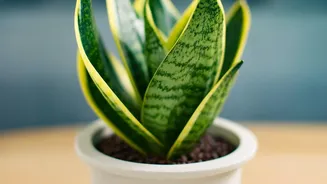
houseplants like peace lilies and snake plants into small, sealed chambers and injected pollutants such as formaldehyde and benzene. After 24 hours, they found that some plants had removed up to 90% of these harmful volatile organic compounds (VOCs). This groundbreaking finding was a sensation. It was simple, elegant, and offered an accessible, natural solution to indoor pollution, which had become a growing concern in energy-efficient, sealed-off buildings. The message that 'plants clean the air' quickly took root in the public consciousness, promoted by the study's own scientists and embraced by plant lovers everywhere.
Lab Conditions vs. Your Living Room
The problem is, your home is not a sealed laboratory chamber. This is the crucial context that gets lost when citing the NASA study. More recent analysis of this and other studies has highlighted a major discrepancy: the rate of air exchange. In the real world, indoor air is constantly being replaced by outdoor air through open windows, doors, and ventilation systems. A 2019 review that looked at decades of research found that the natural ventilation of a building does far more to remove VOCs than a few potted plants ever could. The plants in the NASA study were effective because the pollutants were trapped in a small space with them. In a dynamic environment like a house or office, their cleaning rate is simply too slow to make a significant impact on overall air quality.
The Numbers Don't Add Up
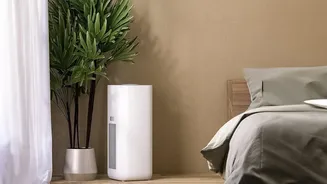
So, how many plants would it take to actually purify the air in your home? This is where the popular belief truly wilts under scrutiny. Researchers who extrapolated the data from lab studies to real-world conditions came to a startling conclusion. To achieve a meaningful reduction in airborne pollutants, you would need an impractically large number of plants. One analysis suggested needing between 10 and 1,000 plants per square meter of floor space. Another calculated that a typical 1,500-square-foot home would require around 680 plants to match the purifying power of a standard ventilation system. Filling your home with a literal forest of houseplants is not a practical solution for most people. For genuine air purification, experts now recommend focusing on proper ventilation and, if needed, using high-efficiency air purifiers.
Don't Ditch Your Plants Yet
This might sound like bad news for plant parents, but it's not. While houseplants may not be the air-purifying powerhouses we once thought, their benefits for our well-being are undeniable and scientifically supported. The most significant advantages of having plants indoors are psychological. Studies have consistently shown that interacting with plants can reduce stress, lower blood pressure, and decrease cortisol levels—the body's primary stress hormone. Having greenery in our environment is linked to improved moods, better focus, and increased feelings of calm and relaxation. In hospital settings, patients in rooms with plants have even shown better recovery outcomes. The microorganisms in the soil may also contribute to these positive effects.
The Real Reason to Keep Plants
The joy of nurturing a living thing and watching it thrive is a powerful mood booster in itself. Plants add beauty, texture, and a vital connection to nature within our homes and offices. They can make a space feel more welcoming, alive, and pleasant. In an age of digital fatigue, caring for plants offers a tangible, screen-free way to de-stress and reconnect with the physical world. They improve our mental and emotional health, even if they aren't scrubbing toxins from the air. So while you shouldn't rely on your ficus to handle indoor pollution, you should absolutely keep it around for the happiness and tranquility it provides.