





The Monsoon Dining Dilemma
The rainy season in India is synonymous with comfort food, but it's also a peak season for stomach infections. The combination of high humidity and ambient warmth creates an ideal breeding ground for bacteria like Salmonella and E. coli, which can cause
food poisoning. This means that food spoils faster, and the risk of contamination rises significantly. Water sources can also become compromised during heavy rains, potentially introducing waterborne pathogens into the food chain, from washing vegetables to making chutneys or ice. This makes dining out a calculated risk, as illnesses linked to contaminated food and water become a major public health concern.
Decoding Cross-Contamination
One of the biggest invisible threats in any kitchen is cross-contamination. This happens when harmful germs are transferred from one surface or food item to another. The classic example is a chef using the same cutting board and knife to chop raw chicken and then slice vegetables for a fresh salad without properly cleaning them in between. Juices from raw meat can easily drip onto other foods in storage, or an employee might handle raw ingredients and then touch ready-to-eat food without washing their hands. These simple, often unintentional, mistakes are a primary cause of foodborne illness outbreaks in restaurants.
Enter the Open Kitchen: An Informal Audit
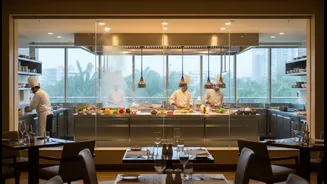
This is where the design of a restaurant can empower you, the diner. The open kitchen concept turns the food preparation area from a hidden backroom into a transparent stage. This visibility is more than just restaurant theatre; it functions as a constant, informal audit performed by the customers themselves. When chefs and staff know they are being watched, hygiene practices and professionalism tend to improve. It builds a layer of trust, as diners can visually confirm the cleanliness of the space, the freshness of the ingredients, and the safety protocols being followed.
What to Look For: A Diner’s Checklist
An open kitchen gives you a direct line of sight to a restaurant’s hygiene standards. Here’s what to watch for to conduct your own mini-audit: 1. Separation of tasks: Are there different coloured cutting boards being used for raw meats and vegetables? Are raw and cooked foods kept clearly separate? 2. Staff hygiene: Are cooks wearing hairnets or caps and clean uniforms? Are they washing their hands frequently, especially after touching raw meat, their face, or using the restroom? Are they using gloves when handling ready-to-eat food? 3. General cleanliness: Do the countertops, cooking stations, and floors look clean and organised? Are spills wiped up promptly? Are utensils and equipment visibly clean? 4. Food storage: While you may not see inside the refrigerators, notice if perishable items are left out on the counter at room temperature for long periods. They should be taken out only when needed. Spotting these good practices can give you greater confidence in the safety of your meal.
Beyond the Visuals: What You Can't See
While an open kitchen is a great indicator of a restaurant's commitment to hygiene, it's not a foolproof guarantee. The most critical hygiene practices, like proper refrigeration temperatures, thorough sanitisation of equipment after closing, and the quality of water used, remain largely out of sight. This is where official standards from bodies like the Food Safety and Standards Authority of India (FSSAI) come in. FSSAI provides detailed guidelines on everything from kitchen design and waste disposal to staff training and sourcing raw materials. A reputable restaurant will embrace both the visible accountability of an open kitchen and the rigorous, unseen standards mandated by food safety laws.