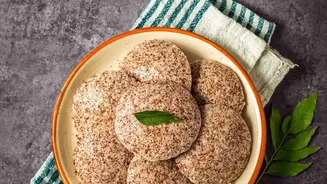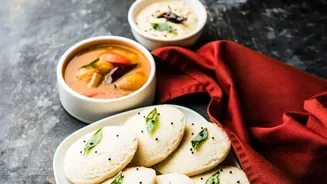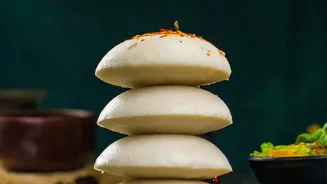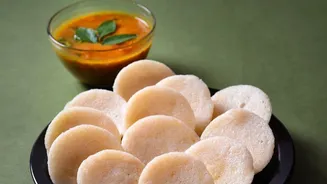








Swapping rice for foxtail millet is a fantastic way to make idlis more nutritious. But how do you get that perfect, fluffy texture? This guide breaks down the essential steps for preparing a flawless foxtail millet idli batter from scratch.
Why Choose Foxtail Millet?
Foxtail millet,
known as 'thinai' or 'korralu', is a nutritional powerhouse. It is naturally gluten-free and packed with fibre, iron, and essential minerals that support digestion and provide sustained energy. When fermented and steamed into idlis, it results in light, airy cakes with a delightful, subtly nutty flavour. Making idlis with foxtail millet is not just a healthy switch; it’s an embrace of a delicious tradition that prioritises wellness without compromising on the soft, comforting texture we all love in an idli.
The Ideal Ingredient Ratio
Achieving soft idlis starts with the right balance of ingredients. A commonly used ratio is 2.5 to 3 parts foxtail millet to 1 part urad dal. Some recipes suggest including a small amount of idli rice or poha (flattened rice) to improve the texture and aid fermentation, but it isn't strictly necessary if the process is followed correctly. Fenugreek seeds (methi) are a crucial addition; about one teaspoon is enough. Fenugreek not only adds a subtle flavour but also plays a vital role in helping the batter ferment properly to become light and fluffy.
The Crucial Soaking Stage
Proper soaking is non-negotiable. It's best to wash and soak the foxtail millet and the urad dal in separate bowls, as they have different requirements. Wash the millet several times until the water runs clear, then soak it for at least four to six hours. In a separate bowl, soak the urad dal along with the fenugreek seeds for the same amount of time. Soaking softens the grains, making them easier to grind into a smooth paste, which is essential for a soft idli. Some recipes even suggest soaking overnight, which also works well.
Grinding for the Perfect Texture
Grinding the ingredients separately is highly recommended for the best results. Start with the soaked urad dal and fenugreek seeds. Grind them into a very smooth, fine, and fluffy paste, adding water sparingly. The goal is a light, airy texture. Once the dal is ground, transfer it to a large bowl. Next, grind the soaked foxtail millet. The millet batter may remain slightly granular, similar to fine rava, which is perfectly fine. Unlike rice, millets absorb less water, so be cautious not to add too much, as a watery batter will result in flat, dense idlis.
The Art of Fermentation
Combine the ground urad dal paste and millet batter in a large bowl. Add salt at this stage and mix everything thoroughly with your clean hands. The warmth from your hands can help kicksterthe fermentation process. The batter should be thick but pourable. Cover the bowl with a lid and leave it in a warm place to ferment for at least 8 to 12 hours, or overnight. In colder weather, it may take longer. You can place the batter in a turned off oven with the light on to create a warm environment. A well fermented batter will have risen and appear bubbly.
Final Steps Before Steaming
Once fermented, the batter is ready. Give it a gentle stir before use, but do not over mix, as this can knock out the air bubbles that make the idlis fluffy. If the batter has become too thick, you can add a tablespoon or two of water to adjust the consistency. Grease your idli moulds with a little oil, pour the batter into each cavity, filling them about three quarters full. Steam the idlis on a medium high flame for about 10 -15 minutes. Once cooked, let the idlis rest for a few minutes before de moulding them. This helps them come out cleanly.