



Start With Forgiving Plants
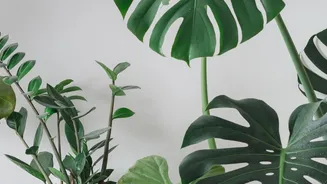
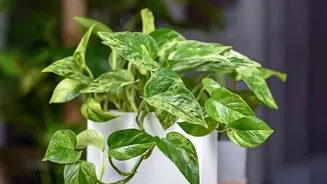
The easiest way to succeed is to choose plants that can tolerate a bit of neglect. For beginners in India, varieties like the Snake Plant, ZZ Plant, and Money Plant (Pothos) are incredibly resilient. These plants can handle a range of light conditions
and don't panic if you forget to water them occasionally. Starting with one or two low-maintenance plants allows you to build confidence and learn the basics without the stress of caring for more demanding species.
Master the Art of Watering
Overwatering is the most common mistake new plant owners make. Roots need oxygen as much as they need water, and constantly wet soil can lead to rot. Instead of watering on a rigid schedule, adopt the 'finger dip' test. Stick your finger about an inch into the soil; if it comes out dry, it's time to water. If it's still moist, wait a few more days. This simple check ensures you're watering based on the plant's actual needs, which can change with the season, light, and humidity.
Get the Light Right
Every plant has different light requirements, but most common houseplants prefer bright, indirect sunlight. Direct, scorching sun can burn their leaves, while too little light can stunt their growth. A simple hack is to observe the space in your home. A spot that gets gentle morning sun or is a few feet away from a bright window is often perfect. To ensure even growth and prevent your plant from leaning towards the light, give it a quarter turn every week or so.
Prioritise Good Drainage
Even with perfect watering habits, your plant can suffer if excess water has nowhere to go. This is why choosing a pot with drainage holes is non-negotiable. These holes allow surplus water to escape, preventing the soil from becoming waterlogged and protecting the roots from rot. If you fall in love with a decorative pot that has no holes, you can use it as a 'cachepot'—simply place the plant in a slightly smaller plastic pot with drainage holes and set it inside the decorative one.
Feed Your Plants, But Gently
Fertiliser is food for your plants, but beginners often make the mistake of giving too much, which can burn the roots. For low-maintenance plants, a 'less is more' approach is best. Feed them only during their growing season (typically spring and summer in India). Use a balanced liquid fertiliser diluted to half-strength once a month, or opt for even simpler slow-release fertiliser sticks. Avoid feeding a plant that is stressed, newly repotted, or not actively growing.
Keep the Leaves Clean
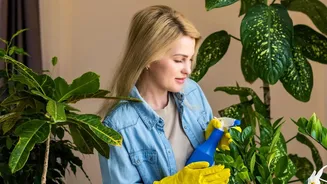
Over time, dust can accumulate on your plant's leaves, blocking light and hindering its ability to photosynthesise. A simple but highly effective hack is to gently wipe down the leaves with a damp cloth every few weeks. This not only keeps your plant looking shiny and vibrant but also allows you to inspect it for early signs of pests. For many plants, this small act of care can significantly boost their health.