




Start Small, Dream Big
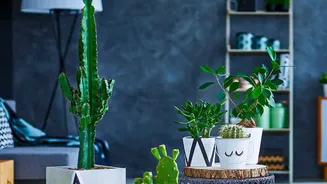
The most common mistake beginners make is trying to do too much at once. It is exciting to think about a balcony full of flowers and vegetables, but it can quickly become overwhelming. Start with just three to five easy-to-grow plants in containers. This
approach allows you to learn the fundamentals of plant care—watering, sunlight, and pest spotting—without the pressure of a large garden. Once you build confidence and understand what your first few plants need, you can gradually expand your collection. A small start makes the learning process manageable and enjoyable, turning mistakes into valuable lessons rather than sources of frustration. This simple strategy is the key to building a gardening habit that lasts.
Location, Location, Sunlight
Before you even buy a plant, observe your space. Most plants, especially vegetables and flowers, need at least five to six hours of sunlight to thrive. Watch your balcony, windowsill, or terrace throughout the day to see which spots get direct sun and for how long. A south-facing balcony is often ideal for sun-loving plants, but a west-facing one might get harsh afternoon heat that can stress some varieties. If you have a spot with less light, don't worry. Many foliage plants and some herbs can grow well in partial shade. Also, choose a location that is protected from strong winds, which can knock over pots and dry out your plants. Accessibility to a water source will also make your daily routine much easier.
The Right Home for Your Plant
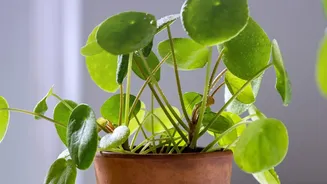
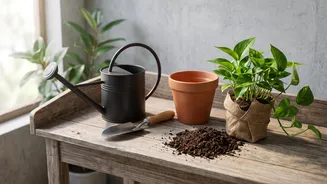
Container gardening is the perfect entry point for beginners, especially in urban Indian homes. When choosing pots, the most important feature is drainage holes at the bottom. Without proper drainage, water will collect and cause root rot, which is one of the fastest ways to kill a plant. The size of the container also matters; it's often better to choose a pot that seems slightly too large than one that is too small. Larger pots hold more soil and moisture, which means you will not have to water as frequently. For beginners, simple terracotta pots are a great choice because they are porous and help prevent waterlogging.
It's All About the Soil
Using the right soil is crucial for container gardening. Do not use soil directly from a garden bed, as it is often too heavy and compacts easily in a pot, preventing proper drainage and root growth. Instead, use a high-quality potting mix specifically designed for containers. A good potting mix is light, allows for drainage, and contains the right nutrients to get your plants started. A reliable DIY mix for beginners in India is a combination of garden soil, compost (like vermicompost), and something for aeration like coco peat or sand. This blend provides structure, nutrition, and ensures the roots have room to breathe.
Watering Wisely
Overwatering is the single most common mistake made by new plant parents. It is tempting to water your plants on a strict schedule, but it is far better to check the soil first. The 'finger test' is your best friend: poke your finger about an inch into the soil. If it feels dry, it is time to water. If it is still damp, wait another day or two. When you do water, do it thoroughly until water runs out of the drainage holes at the bottom. This encourages deep root growth. Watering in the early morning or evening is best, as it reduces evaporation during the heat of the day.
Choosing Your First Green Friends
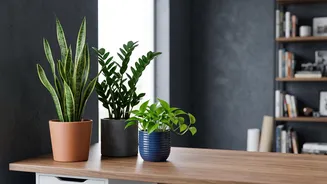
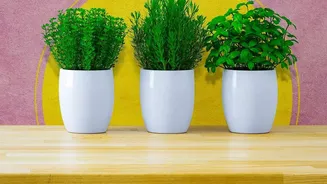
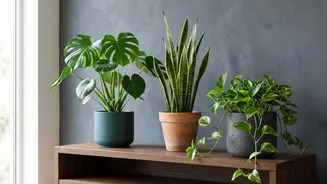
To set yourself up for success, start with plants that are known to be resilient and low-maintenance in Indian climates. For a kitchen garden, herbs like mint (pudina), holy basil (tulsi), and coriander are excellent choices. They grow quickly and are very rewarding. If you're interested in vegetables, start with leafy greens like spinach or cherry tomatoes, which do well in pots. For ornamental plants, money plants (pothos) and snake plants are incredibly forgiving and adapt well to various indoor conditions, making them perfect for beginners. Choosing these easy-to-grow varieties builds confidence and makes your first gardening experience a positive one.