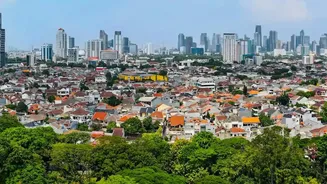






For decades, life in India's metros meant navigating congested roads and crowded concrete jungles. But a quiet revolution is underway. Cities are now reclaiming spaces for people, proving that thoughtful design can transform our quality of life.
From Car-Centric Chaos to People-First Planning
Historically,
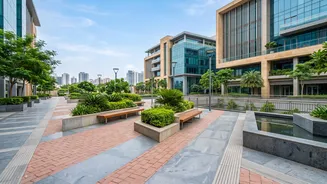
urban development in India often prioritized vehicles over residents. The result was a landscape of widened roads and flyovers that, while aiming to ease traffic, often made cities less walkable and more polluted. Today, a significant philosophical shift is taking place. Urban planners and city governments are embracing a 'people-first' approach, recognizing that the health of a city is directly linked to the well-being of its inhabitants. This new focus is on creating 'Healthy Streets'—spaces that are not just for transit but for living. The goal is to design environments that are safe, accessible, and inviting, encouraging people to walk, cycle, and engage with their communities. This means wider, continuous footpaths, safer street crossings, better lighting, and more green cover, fundamentally reimagining streets as vibrant public realms rather than just traffic corridors.
The Walkability Revolution in Action
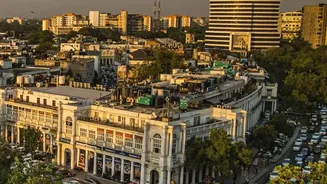
Perhaps the most visible change is the emphasis on pedestrianization. The redevelopment of Delhi's iconic Chandni Chowk is a prime example. Once choked with traffic and chaos, the 1.3-kilometre main stretch was transformed into a pedestrian-priority zone. The project involved moving utility cables underground, creating wide, kerbless footpaths, and restricting vehicle access during the day. The results have been transformative. The decongested space has not only restored the area's historical charm but also improved the experience for shoppers and visitors, boosting local business and cultural activities. Similarly, Chennai has implemented a Non-Motorised Transport policy, building over 100 kilometres of improved footpaths. Studies show these changes have a significant impact, with up to 29% of people on these new footpaths stating they would have otherwise used a private vehicle. This shift reduces pollution and accidents, making daily life safer and more pleasant.
Reclaiming Waterfronts and Green Lungs
Beyond the streets, cities are turning neglected natural assets into vibrant community hubs. The Sabarmati Riverfront in Ahmedabad is a landmark project that converted a once-polluted and inaccessible riverbank into a sprawling public space with promenades, parks, and recreational facilities. This has not only provided residents with a much-needed green lung for exercise and leisure but also boosted the local economy through tourism and events. However, such large-scale projects also highlight challenges, including the displacement of vulnerable communities and concerns about downstream pollution, reminding planners of the need for equitable and truly sustainable development. Elsewhere, urban greening initiatives are taking root, with cities like Delhi and Mumbai using techniques like the Miyawaki method to create dense urban forests in small spaces. These projects help reduce the urban heat island effect, improve air quality, and provide crucial recreational areas.
The Social and Economic Ripple Effect
The benefits of redesigning public spaces extend far beyond aesthetics. Economically, the impact is significant. A study across 10 Indian cities found that businesses on streets with improved pedestrian infrastructure reported higher sales and increased turnover. Commercial properties along these 'Healthy Streets' recorded value premiums of 10% to over 60%, showing that good design is good for business. Socially, the effects are just as profound. Well designed public spaces foster a sense of community and ownership. They provide safe areas for children to play, for the elderly to walk, and for neighbours to interact. Importantly, safety for women and marginalized groups is enhanced through better lighting and increased public presence, with one study finding 89% of women felt safer after street improvements. By making public transport more accessible and encouraging walking, these projects also contribute to better public health outcomes by promoting physical activity.