





More Than Just Bear Crawls
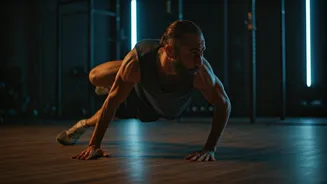
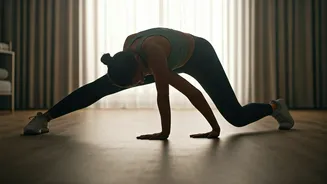
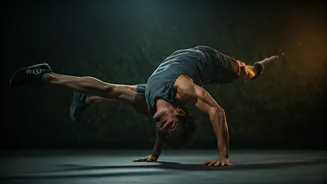
So, what exactly are these 'animal-flow drills'? At its core, this fitness style is a ground-based, bodyweight training system that emphasizes fluid, multi-dimensional movement. Think less about isolated bicep curls and more about seamless transitions
between dynamic positions. The practice, popularized under the trademarked name 'Animal Flow' but part of a broader 'primal movement' trend, draws inspiration from gymnastics, parkour, yoga, and even breakdancing. Participants learn a vocabulary of movements—like the 'Ape', 'Beast', and 'Crab'—which they can string together into continuous, graceful sequences or 'flows'. Unlike high-intensity interval training (HIIT), the goal isn’t just to burn calories at a frantic pace. It’s about rediscovering coordination, improving mobility, and building functional strength from the ground up, using the one piece of equipment everyone has: their own body.
A Rebellion Against a Sedentary Life
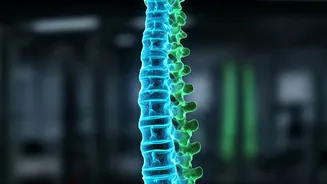
The rise of animal-style movements isn't happening in a vacuum. It’s a direct response to our increasingly chair-bound, screen-focused lives. After spending hours hunched over desks and phones, our bodies forget their natural movement patterns, leading to stiffness, poor posture, and chronic pain. Primal movement acts as a powerful corrective. It forces you to engage your core, stabilize your joints, and move your spine through its full range of motion. There’s a psychological component, too. Many find it to be a form of active meditation, requiring intense focus that pushes daily stresses out of mind. It’s a rebellion against the modern, static lifestyle—a way to reconnect with a more fundamental, playful, and capable version of ourselves. This desire for functional fitness, which prepares your body for real-life activities, is a major reason people are ditching repetitive routines for something more holistic.
Ditching the Gym for the Park
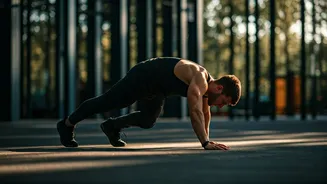
Another key factor in this trend's popularity is its perfect synergy with the outdoors. Animal Flow requires no bulky equipment, no expensive gym membership, and no special flooring. All you need is a patch of grass and a bit of space, making it an ideal workout for a local park or even your own backyard. This taps into the larger wellness movement of 're-wilding'—finding ways to reconnect with nature for both physical and mental health benefits. Performing these movements on uneven, natural surfaces like grass or sand adds an extra challenge, forcing your stabilizing muscles to work harder and improving your proprioception (your body's awareness of its position in space). For many, exercising under the open sky provides a sense of freedom and stress relief that a stuffy, artificially lit gym simply can't match. It transforms a workout from a chore into a refreshing, sensory experience.
If You Didn't Log It, Did It Happen?
This brings us to the fitness trackers. While the claim of 'dominating' may be an overstatement compared to running or walking, the trend's growth is undeniably visible in the data. Most smartwatches and trackers from brands like Garmin, Apple, and Fitbit don't have a dedicated 'Animal Flow' button—at least not yet. Instead, a growing number of users are logging these sessions under broader categories like 'Functional Strength Training', 'Pilates', 'Yoga', or a custom-named activity. This user-driven categorization is creating a clear signal for the platforms: there is a significant and rising demand for tracking this kind of ground-based, dynamic exercise. On social fitness platforms like Strava, hashtags and workout titles confirm the trend. For users, logging the workout provides a satisfying sense of accomplishment and allows them to track their progress, turning a primal activity into a modern, data-driven pursuit.
Strength, Mobility, and a Bit of Fun
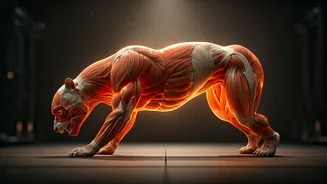
Ultimately, the reason Animal Flow drills are catching on is simple: they work. The practice delivers a remarkably efficient, full-body workout. You build pushing and pulling strength, enhance your cardiovascular endurance, and dramatically improve your flexibility and mobility—all at the same time. Because the movements are compound and complex, they teach different muscle groups to coordinate and fire in sequence, which is far more applicable to real-world strength than isolating a single muscle. But perhaps its most underrated benefit is that it's genuinely fun. Learning to link moves into a smooth flow feels more like a creative practice or a form of play than a grueling workout. This element of skill and creativity keeps people engaged and consistent, which is the true secret to any successful fitness regimen.