



The Foundation of Fasting Foods
Vrat ka khana, or fasting food, follows a 'sattvik' philosophy, emphasizing pure, light, and natural ingredients that are easy to digest. This means staple grains like wheat and rice, along with lentils, onions, and garlic, are typically avoided. This restriction
has paved the way for a category of alternative grains and seeds that provide energy without breaking the rules of the fast. This is where makhana, kuttu, and rajgira come in. They are not just substitutes but are celebrated for their unique properties that align perfectly with the spiritual and physical goals of fasting—providing nourishment, maintaining energy, and keeping the body light.
Makhana: The Humble Powerhouse
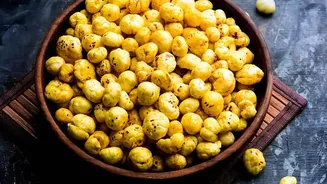
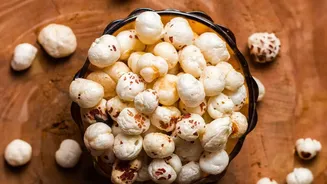
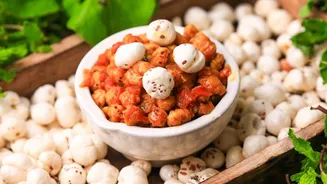
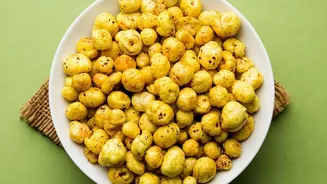
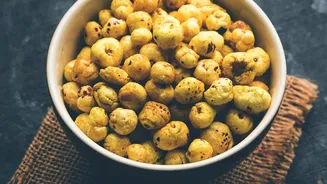
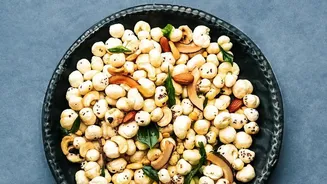
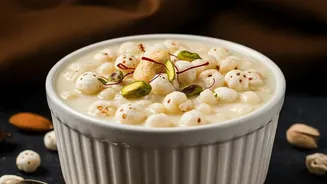
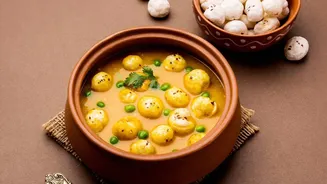
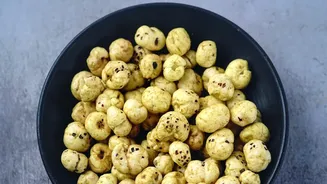
Makhana, or fox nuts, are harvested from lotus seeds and have been part of Indian traditions for centuries. Considered a pure and auspicious food, their popularity during fasts comes from their incredible nutritional profile. They are light, low in calories, and gluten-free, yet packed with protein and fiber, which helps keep you feeling full and energized for longer. Unlike many fried fasting snacks, makhana is typically roasted in ghee with a sprinkle of rock salt, making it a wholesome choice. Its versatility is another major plus; from a simple roasted snack to the creamy dessert 'makhana kheer' or even a light curry, it adapts beautifully.
Kuttu: The Versatile Pseudocereal
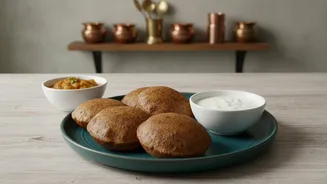
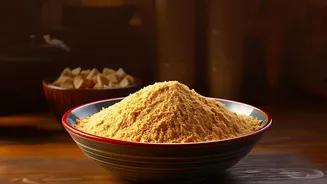
Kuttu, or buckwheat, is the star flour of the Navratri festival. Despite its name, it isn't a wheat or even a true cereal grain; it's the seed of a fruit, which is why it's permitted during fasts. Buckwheat flour is a nutritional workhorse, rich in high-quality protein, fiber, magnesium, and B vitamins. This combination helps in managing blood sugar levels and ensures a slow, steady release of energy, preventing the fatigue often associated with fasting. Kuttu has a distinctive nutty and earthy flavour that lends itself to a variety of beloved vrat dishes. It's most famously used to make 'kuttu ki puri' (deep-fried bread), but also finds its way into dosas, cheelas (pancakes), and pakoras, providing both substance and taste to the fasting plate.
Rajgira: The Ancient Royal Grain
Rajgira, which translates to 'royal grain', is also known as amaranth. It's a tiny pseudo-grain that boasts a massive nutritional punch. Rajgira is one of the few plant-based sources of complete protein, containing all nine essential amino acids. It is also naturally gluten-free and loaded with calcium, iron, and fiber. This impressive profile makes it an ideal food for maintaining strength and digestive health during a fast. Rajgira flour is used to make soft rotis and parathas, which are often paired with potato curry. Popped rajgira seeds are a popular ingredient for making 'ladoos' or 'chikki' (brittle), offering a sweet and crunchy treat that is both nourishing and permissible.
Beyond the Vrat: A Modern Health Halo
The popularity of makhana, kuttu, and rajgira is no longer confined to fasting periods. As health and wellness have taken centre stage, these ancient ingredients have been embraced by a wider audience. Their gluten-free nature, high protein content, and rich micronutrient profiles make them perfect for modern diets. Makhana is now a mainstream healthy snack, competing with popcorn. Kuttu and rajgira flours are sought after by those looking for nutritious, gluten-free alternatives to wheat for everyday cooking. This modern appeal has solidified their place in the Indian kitchen, proving that what is good for the soul during a fast is also excellent for the body all year round.