





The Annual Disruption
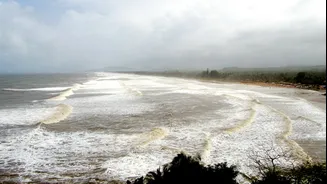
From October to December, the Northeast Monsoon becomes a dominant feature of life in several southern states. Unlike the widespread Southwest Monsoon, this 'winter monsoon' primarily impacts Tamil Nadu, coastal Andhra Pradesh, Kerala, and parts of Karnataka.
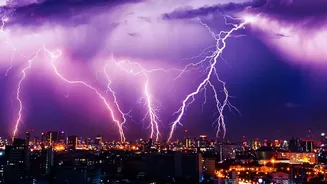
Cities like Chennai, which receives about half of its annual rainfall during this period, brace for the season's dual nature: it replenishes critical water reservoirs but also unleashes intense, concentrated downpours that can disrupt daily life. The India Meteorological Department (IMD) issues regular forecasts, but the monsoon's high variability means that a 'normal' season can still include sudden, severe spells of rain. For millions of school and office commuters, this translates to a period of sustained uncertainty.
Waterlogging and Gridlock
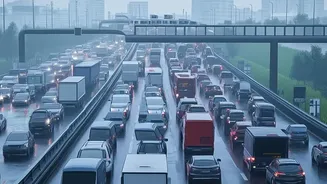
The most immediate and visible impact of a heavy monsoon shower is waterlogged roads. In major cities, strained and outdated drainage systems are often unable to cope with the sheer volume of water, turning arterial roads, underpasses, and residential streets into impassable channels. For commuters, this means journeys that normally take minutes can stretch into hours. Key roads in cities like Chennai have become notorious for monsoon-related traffic nightmares, where submerged potholes and unseen debris create hazardous conditions for both two-wheelers and cars. This gridlock doesn't just delay arrivals; it causes significant stress and productivity loss as commuters find themselves trapped in slow-moving or stagnant traffic.
The Public Transport Squeeze
Those who rely on public transport are not immune to the monsoon's effects. Bus services are frequently delayed or rerouted to avoid flooded areas, leading to overcrowding at bus stops and on the vehicles themselves. Suburban train services, the lifeline for many, can be severely disrupted by water on the tracks, forcing cancellations or suspensions of service. Even metro systems, which are often more resilient, face challenges as last-mile connectivity from stations becomes a struggle. Commuters are left scrambling for alternatives, often facing surge pricing from app-based taxi services, making the daily journey not only longer but also more expensive.
Schools on Standby, Parents on Edge
For families, the Northeast Monsoon brings a unique set of logistical challenges centered around school schedules. Based on IMD alerts for heavy rainfall, district authorities often declare holidays for schools and colleges, sometimes with very little notice. While this is a necessary safety measure to protect students, it creates a significant dilemma for working parents who must arrange for last-minute childcare or alter their own work schedules. The unpredictability of these closures means parents must constantly monitor news and official announcements, adding another layer of stress to their daily routine.
Rethinking the Office Commute
The chaos of monsoon travel has reignited conversations around flexible work arrangements. Many office workers face a difficult choice: brave the treacherous commute or navigate company policies on remote work. The pandemic normalised the work-from-home model, and many employees now advocate for official hybrid or WFH policies during periods of severe weather. Some companies have proactively issued advisories allowing employees to work from home during red alerts, recognising that forcing a commute can be both unsafe and unproductive. This shift reflects a growing understanding that flexibility is key to maintaining business continuity while prioritising employee well-being during the monsoon season.
Your Monsoon Commuting Toolkit
Preparation is the best defence against monsoon travel woes. Start by monitoring weather alerts from official sources like the IMD. For those driving, ensure your vehicle’s tyres, brakes, and wipers are in good condition before the season begins. Plan alternate routes and consider leaving earlier or later to avoid peak congestion. Real-time traffic apps are invaluable for navigating around waterlogged areas. For all commuters, a 'monsoon kit' is essential: a reliable raincoat or umbrella, waterproof bags for electronics and documents, and appropriate footwear with good grip. If using public transport, have a power bank handy, as delays can be lengthy.