



Why Car Prices Are on the Rise Again
The upcoming price revisions are not happening in a vacuum. For months, automakers have been grappling with a combination of economic pressures. The primary driver is the sustained increase in input and commodity costs. Materials like steel, aluminum,
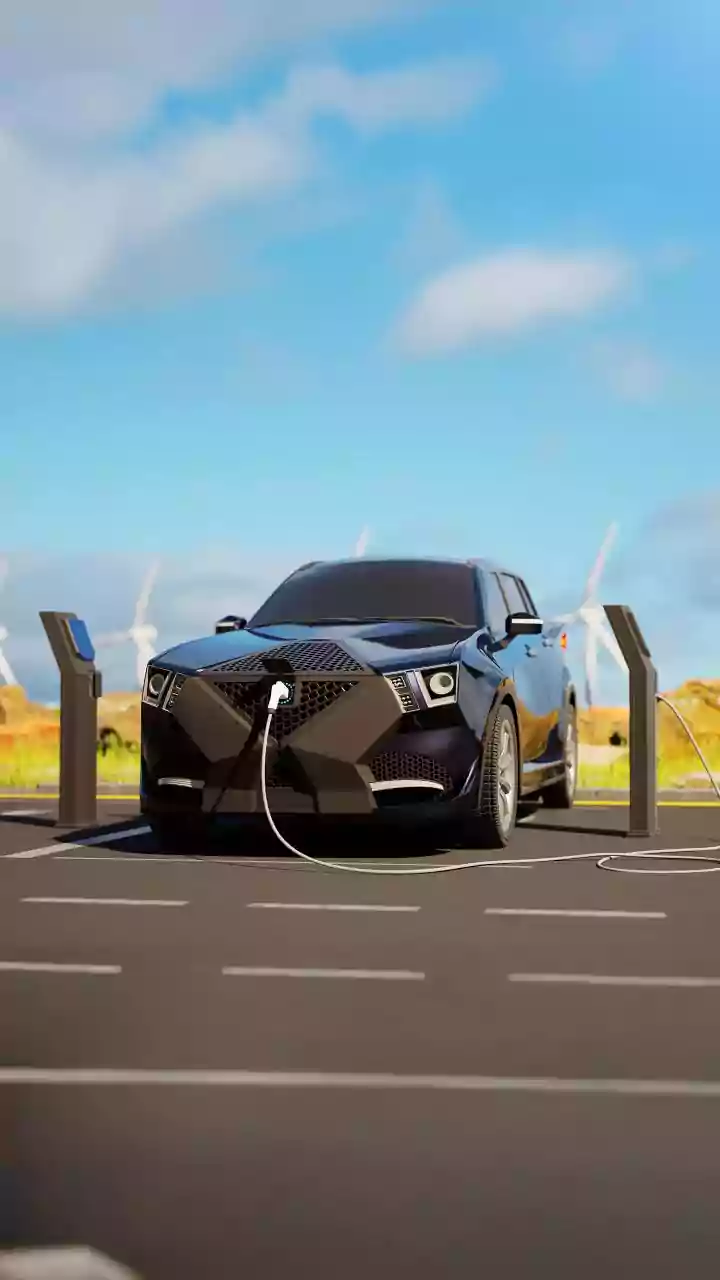
and plastics, which are crucial for manufacturing, have become more expensive. Compounding this are ongoing geopolitical and macroeconomic uncertainties that affect supply chains and operational expenses. Many companies state that while they have tried to absorb these rising costs to avoid burdening customers, the persistent pressure has made it necessary to pass on a portion of the increase. Tata Motors, for instance, also pointed to factors like foreign exchange volatility and the rising cost of EV batteries as contributors to their decision.
Which Major Brands Are Increasing Prices?
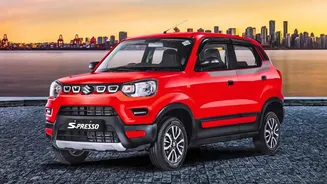
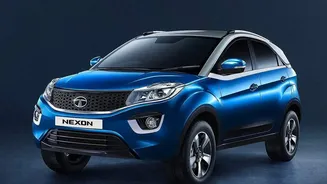
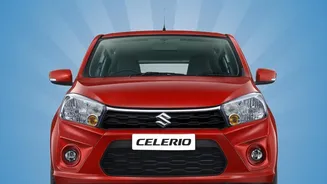
Several of India's top car manufacturers have confirmed price adjustments effective from September 1, 2026. Hyundai Motor India announced it will raise prices across its entire portfolio by up to 1%. This includes popular models like the Creta, Venue, and i20, as well as its electric vehicles. Similarly, Tata Motors will be increasing prices on both its internal combustion engine (ICE) and electric vehicle (EV) models by up to ₹25,000. This affects their wide range, from the Tiago and Punch to the Nexon and Harrier. These announcements follow a recent price hike by Maruti Suzuki in August 2026, where prices were increased by up to ₹30,000. This pattern suggests an industry-wide trend, with more manufacturers likely to follow suit to manage their own cost pressures.
The Booking Dilemma: Buy Now or Wait?
With hikes confirmed for September, the big question is whether to rush and book a car in August. Booking before the new prices take effect can shield you from the increase, a practice known as price protection. Some dealers will honour the price at the time of booking, provided the invoice is generated before a certain date. However, this isn't always guaranteed, especially for cars with long waiting periods, where the final price is often the one applicable at the time of delivery. The alternative is waiting for the festive season, which typically starts in October. Automakers and dealers often roll out attractive discounts and offers during this period to boost sales. Waiting could mean access to these deals, which might offset the price hike. The risk, however, is that festive discounts may not be as generous this year due to the existing cost pressures on manufacturers.
Smart Strategies to Get the Best Deal
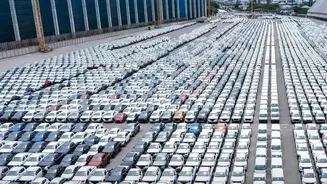
Even with rising prices, savvy buyers have options. First, if you've decided on a car, contact multiple dealerships immediately. Inquire about their policy on price protection for bookings made in August. Booking now could lock in the current, lower price. Second, don't hesitate to negotiate. While the ex-showroom price is generally fixed, there is often room to negotiate on other components of the on-road price. Focus on getting a discount on the dealer's insurance premium—you can get quotes from online aggregators and ask the dealer to match it. You can also negotiate on the cost of accessories and extended warranties. Finally, inquire about any available stock at the dealership. Cars that are already in the stockyard may be available at the current price and with quicker delivery, insulating you from both the price hike and a long waiting period.