




What Is the Gut-Brain Axis?
The gut-brain axis is a complex, two-way communication network linking your brain and your gut. This system involves the vagus nerve, a major nerve pathway that sends signals in both directions. It's also influenced by the trillions of bacteria living
in your digestive tract, known as the gut microbiota. These tiny organisms help produce key mood-regulating chemicals like serotonin; in fact, about 95% of your body's serotonin is made in the gut. When your gut microbiome is balanced and healthy, it supports emotional stability and cognitive function. An imbalance, however, can contribute to issues like brain fog, anxiety, and a low mood.
Power Up with Probiotics
Probiotics are live, beneficial bacteria that help maintain a healthy balance in your gut. You can find them in fermented foods, which are created by using yeast and bacteria to break down sugars. Incorporating these foods into your diet can introduce more 'good bugs' to your system. Some of the most accessible probiotic powerhouses include yogurt with live cultures (dahi), kefir, kimchi, and pickles. These foods can help enhance the production of neurotransmitters that promote a positive mood and may reduce feelings of anxiety.
Fuel Up with Prebiotic Fibre
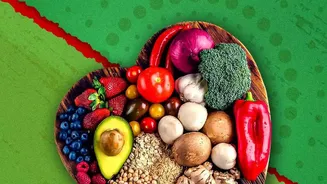
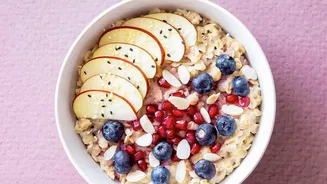
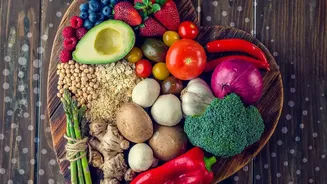
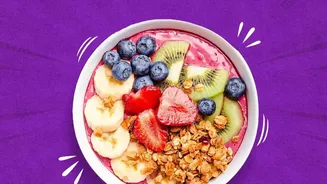
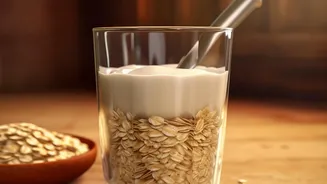
If probiotics are the 'good bacteria,' prebiotics are their food source. Prebiotics are types of dietary fibre that your body can't digest but your gut microbes thrive on. Eating enough prebiotic-rich foods helps the beneficial bacteria in your gut to flourish. Excellent sources include everyday ingredients like garlic, onions, bananas, oats, and whole grains. Other great options include apples, asparagus, and legumes like beans and lentils. A diet high in prebiotic fibre supports the healthy bacteria that produce short-chain fatty acids, which help reduce inflammation and support brain health.
Embrace Omega-3 Fatty Acids
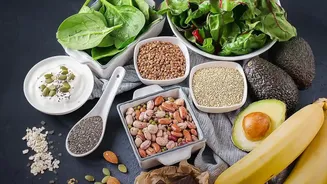
Healthy fats are crucial for both gut and brain health, and omega-3 fatty acids are particularly important. Found in fatty fish like salmon and mackerel, as well as plant-based sources like flaxseeds, chia seeds, and walnuts, omega-3s have potent anti-inflammatory properties. Inflammation in the gut can send stress signals to the brain, so reducing it can have a positive effect on your mental state. Omega-3s also play a direct role in brain function, helping to support membrane fluidity and regulate key neurotransmitters like serotonin and dopamine that are linked to mood.
Pack in the Polyphenols
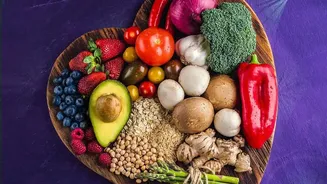
Polyphenols are natural compounds found in plant-based foods that act as antioxidants and also help modulate the gut microbiome. They can encourage the growth of beneficial bacteria while inhibiting harmful ones, acting similarly to prebiotics. The metabolites produced when your gut bacteria process polyphenols can have a direct, positive effect on brain function and protection. To get more polyphenols, fill your plate with colourful fruits and vegetables, especially dark berries and grapes. Green tea, dark chocolate (75% cocoa or higher), and spices like turmeric and ginger are also excellent sources.