

Meet the Cruciferous Powerhouses
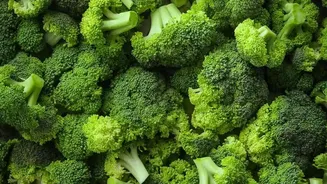
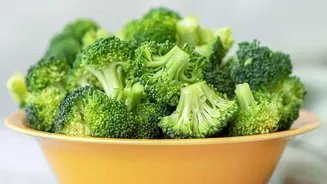
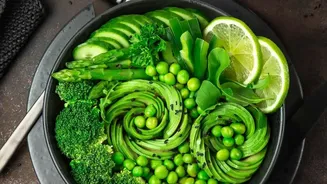
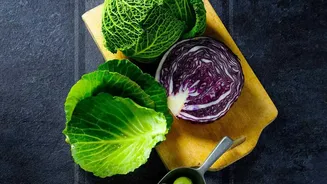
First, let's talk about what makes this family of vegetables so special. Cruciferous vegetables include nutritional superstars like broccoli, cauliflower, kale, cabbage, and Brussels sprouts. They are celebrated for being packed with vitamins, fibre,
and, most importantly, potent antioxidants. One of the most studied groups of compounds they contain is glucosinolates. When you chop or chew these vegetables, an enzyme called myrosinase converts glucosinolates into isothiocyanates (like sulforaphane), which are compounds linked to powerful health benefits, including anti-inflammatory and cancer-fighting properties. The goal when cooking is to keep these valuable compounds, along with other nutrients, intact.
Why Steaming Reigns Supreme
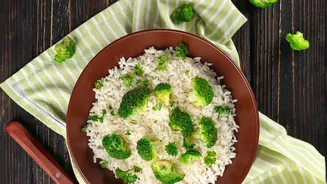
When it comes to preserving the delicate nutrients in cruciferous greens, steaming is consistently shown to be the superior method. Unlike boiling, steaming cooks the vegetables with hot vapour without submerging them in water. This is crucial because many of the most valuable nutrients, including Vitamin C and B vitamins, are water-soluble. When you boil broccoli, for example, a significant amount of these vitamins and beneficial glucosinolates leach out into the cooking water, which usually gets poured down the drain. Studies have found that steaming is the only cooking method that can preserve, and in some cases even increase, the total glucosinolate content in broccoli compared to its raw form. It effectively retains chlorophyll (which gives greens their vibrant colour), soluble proteins, and sugars that are often lost through other methods.
The Problem with Boiling and Frying
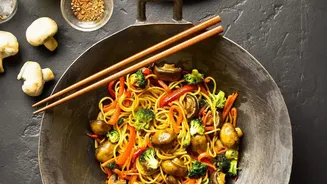
Boiling is the biggest culprit when it comes to nutrient loss. Submerging vegetables in hot water can cause a loss of over 50% of their folate and Vitamin C. One study on broccoli highlighted that boiling and stir-frying/boiling resulted in the highest loss of glucosinolates, the very compounds prized for their health benefits. While frying or roasting at high temperatures might add delicious flavour, the intense heat can also be destructive. Frying, in particular, has been shown to cause a substantial degradation of glucosinolates. While some fat-soluble vitamins can be better absorbed when cooked with oil, the high heat of frying can diminish the overall antioxidant profile. The key is gentle heat, which steaming provides perfectly.
What About Microwaving?
Microwaving can be a surprisingly good option, but with a major caveat: you must use very little water. Because it cooks quickly, microwaving can preserve nutrients well. Some studies show it retains up to 90% of the Vitamin C in broccoli. However, if you add too much water, you essentially start boiling the vegetables, leading to the same nutrient leaching issues. Steaming remains a more consistent and reliable method for nutrient preservation across the board. For instance, while microwaving can preserve Vitamin C well, research shows steaming is better for retaining the crucial glucosinolates.
Your Guide to Perfect Steaming
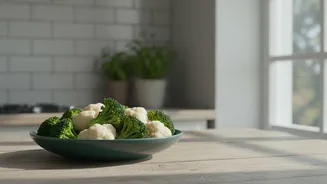
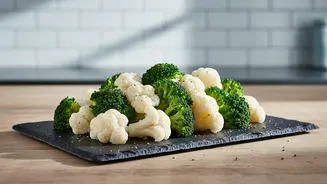
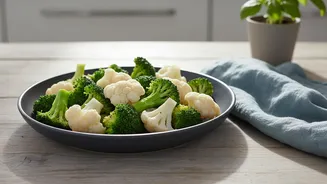
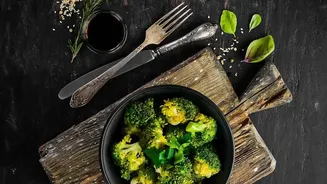
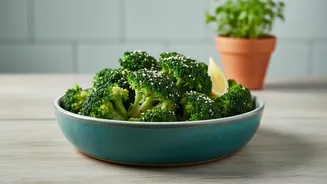
Ready to get the most out of your greens? Steaming is simple. You don't need fancy equipment; a simple metal or bamboo steamer basket placed inside a pot with a lid will do. Add an inch or two of water to the pot, bring it to a boil, place your chopped vegetables in the basket, cover, and steam. The key is to avoid overcooking. You want them to be tender-crisp—still bright in colour with a slight bite. For broccoli, this is typically around 5-7 minutes. Once cooked, remove them from the heat immediately to stop the cooking process. To boost flavour and the absorption of fat-soluble vitamins, toss your steamed veggies with a healthy fat like olive oil, a squeeze of lemon juice, and your favourite herbs and spices after they come out of the steamer.