



Coorg, Karnataka: The Scotland of India
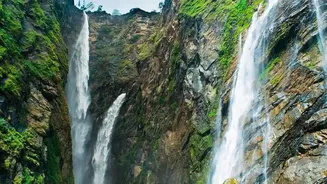
Often called the ‘Scotland of India’, Coorg in Karnataka truly comes alive during the monsoon. The region’s sprawling coffee plantations, which become a brilliant, shimmering green, are a sight to behold. The air is thick with the fragrance of wet earth
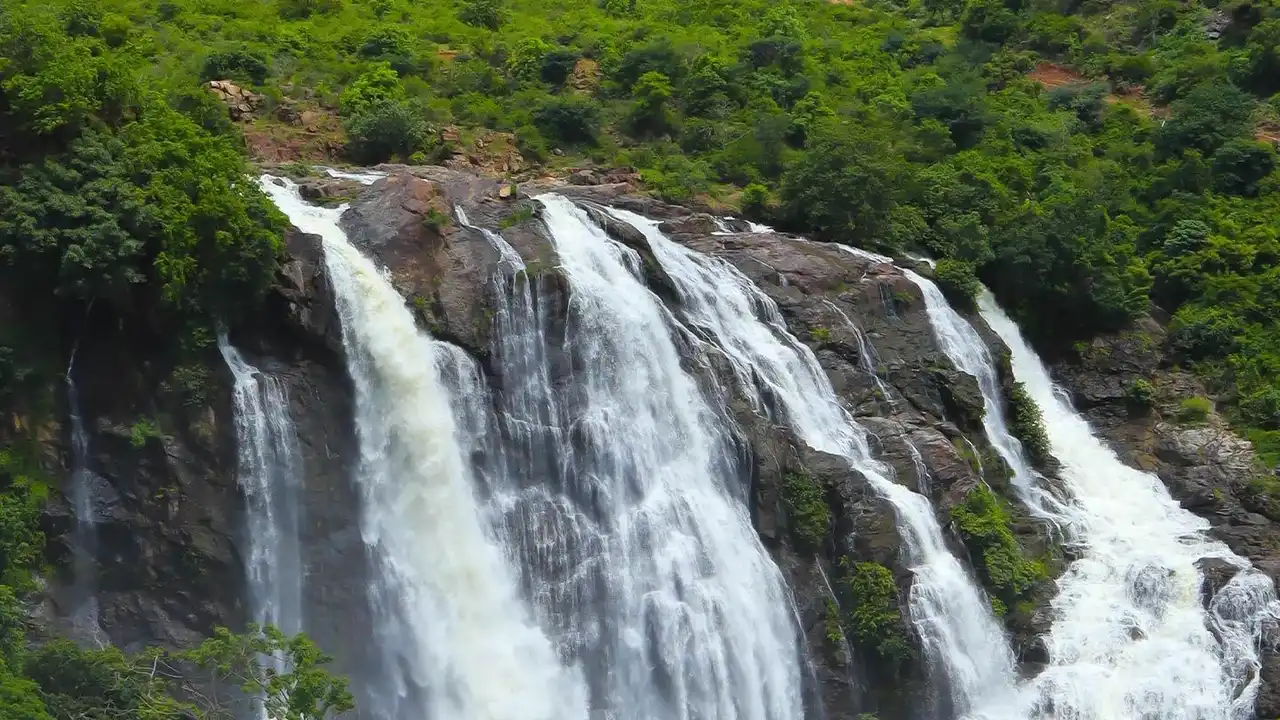
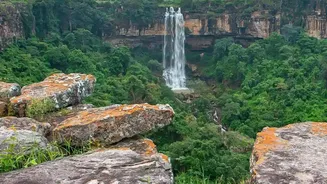
and fresh coffee blossoms. Waterfalls like Abbey and Iruppu, which are modest in the dry season, turn into powerful, thundering cascades from June to September. The landscape is frequently enveloped in a thick mist that rolls across the valleys, creating a mysterious and romantic atmosphere perfect for slow travel. Driving through the winding roads offers spectacular views of cloud-covered hills at every turn, making it a photographer's dream. It's a serene escape where you can sip freshly brewed coffee while watching the rain nourish the land.
Munnar, Kerala: Emerald Tea Gardens
Munnar, nestled in the Western Ghats of Kerala, is a world-renowned hill station that becomes even more magical in the monsoon. The endless tea gardens that blanket the hills turn a vibrant, fresh shade of green, often shrouded in a gentle mist. It's a time for peaceful walks through the tea estates and visiting waterfalls like Attukad and Lakkam, which are at their fullest and most spectacular. The rain brings a refreshing coolness to the air, making it perfect for indulging in local Kerala cuisine or relaxing with an Ayurvedic spa treatment. Since it's considered the off-season, you can enjoy popular spots like Echo Point and Kundala Lake without the usual crowds, offering a more intimate experience with nature.
Udaipur, Rajasthan: The City of Lakes Reborn
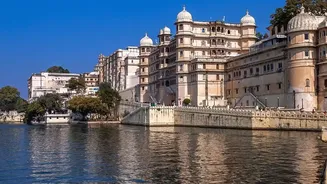
While Rajasthan is known for its deserts, the monsoon completely transforms Udaipur. The ‘City of Lakes’ sees its famous water bodies, like Lake Pichola and Fateh Sagar Lake, fill to the brim, reflecting the majestic palaces and cloudy skies. The Aravalli hills shed their dry look for a lush green carpet, offering a stunning backdrop to the city's white marble architecture. The cooler temperatures make exploring the grand City Palace or taking a boat ride a much more pleasant experience. A drive up to the Sajjangarh Monsoon Palace offers panoramic views of the city enveloped in clouds. Rooftop cafes become the perfect spot to enjoy the rain-washed city with a hot cup of tea. Fewer crowds mean you can enjoy the romantic atmosphere of this royal city at a more relaxed pace.
Valley of Flowers, Uttarakhand: A Himalayan Bloom
For the more adventurous traveller, the Valley of Flowers National Park in Uttarakhand is a destination that exists only because of the monsoon. This UNESCO World Heritage Site is a high-altitude Himalayan valley that bursts into a vibrant carpet of over 300 species of alpine flowers during the rainy season. The best time to visit is from July to August, when flowers like the elusive blue poppy and Brahma Kamal are in full bloom. The trek to the valley, starting from Govindghat, is a journey through breathtaking landscapes of gushing waterfalls, lush meadows, and snow-capped peaks in the distance. It's a trek of moderate difficulty, but the reward is a surreal and immersive experience in one of nature's most spectacular floral displays.
Goa: A Quieter, Greener Coast
Goa during the monsoon is a completely different experience from its peak season persona. The party crowds thin out, prices for flights and hotels drop, and a tranquil atmosphere takes over. The landscape transforms into a lush, green paradise, with overflowing rivers and vibrant paddy fields. While swimming in the sea is generally not advised, the season is perfect for exploring the state's other charms. You can visit spice plantations, hike to the magnificent Dudhsagar Falls, or take serene walks on quiet, windswept beaches. It’s also a time to experience unique Goan festivals like Sao Joao in June. For those seeking peace, nature, and a more authentic cultural experience, off-season Goa is an undiscovered gem.