
The Rise of Biophilic Design
At its heart, this trend is about 'biophilic design'—a term that sounds complex but has a simple meaning: incorporating nature into our built environment to tap into our innate connection with the natural world. With more than half the world's population
living in urban areas, our link to nature has become strained. This design philosophy seeks to fix that by transforming our homes into spaces that don't just look good, but also make us feel good by reducing stress and boosting our mood. Studies have shown that even minimal exposure to natural elements indoors can lower stress hormones, improve focus, and promote a sense of calm.
Embrace Earthy Tones and Natural Light
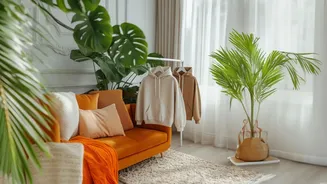
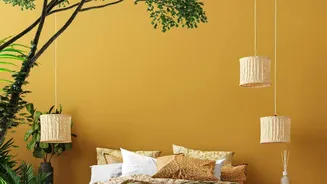
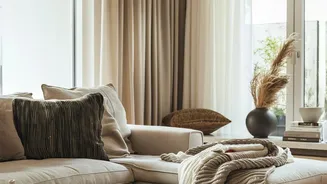
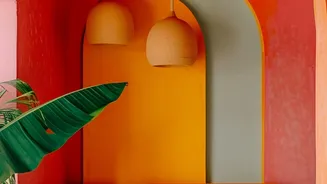
The easiest way to start is with colour. Swap out harsh, artificial palettes for earthy tones like soft greens, warm browns, sky blues, and muted terracottas. These colours form a calming backdrop that mimics the natural world. Equally important is light. Maximize natural light wherever possible by using sheer curtains instead of heavy drapes and strategically placing mirrors to reflect light deeper into rooms. A well-lit, airy space feels more open and connected to the outdoors, instantly lifting the atmosphere of a home.
Incorporate Natural Materials
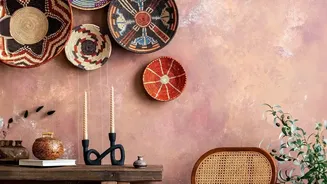
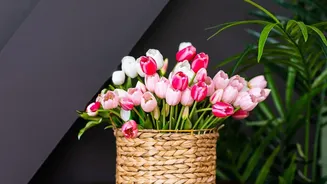
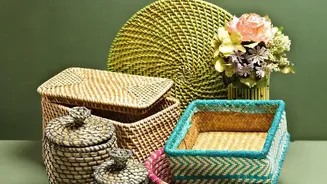
Texture plays a huge role in creating a nature-inspired feel. Move beyond synthetic materials and embrace the authenticity and warmth of natural ones. Wood is a classic choice, valued for its durability and beauty; consider popular Indian varieties like teak, sheesham, or mango wood for furniture and accents. Natural stone such as marble, granite, or limestone can be used for flooring, countertops, or even as a dramatic backsplash. For softer textures, look to fabrics like linen, cotton, and wool for curtains, cushions, and rugs. Rattan, bamboo, and jute are also seeing a massive surge in popularity, used for everything from chairs and light fixtures to decorative baskets, adding a layer of woven, organic charm.
Let the Greenery In
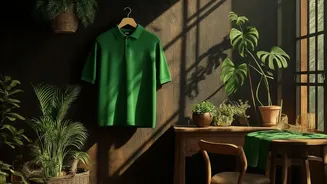
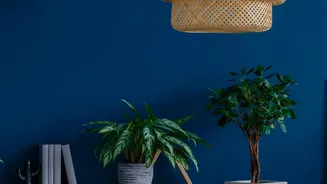
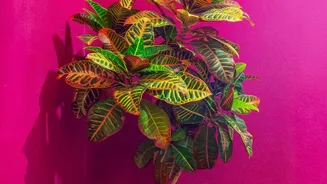
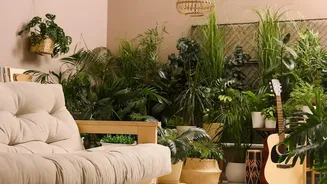
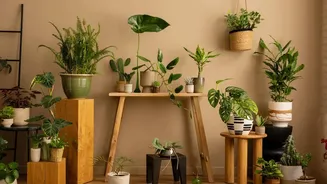
Of course, no nature-inspired home is complete without plants. Bringing greenery indoors is one of the most direct ways to connect with the outdoors. They not only add a splash of vibrant colour but also help improve indoor air quality. You don't need a sprawling garden to make an impact. For smaller urban apartments, consider a vertical garden or living wall, which provides a lush look without taking up valuable floor space. If you're worried about maintenance, start small with a few low-maintenance plants like succulents or snake plants. Even just a few potted plants on a windowsill or a hanging planter in a corner can make a world of difference.
Finishing Touches and Styling
The final layer involves the accessories and decor that tie the whole look together. Think about adding nature-themed art, such as botanical prints or landscape paintings. Incorporate organic shapes and forms in your decor—a curved vase, a live-edge wood shelf, or a stone sculpture can add visual interest. The goal is to create a space that feels curated but not sterile. It should feel lived-in, comfortable, and authentically you. Grouping items in small vignettes on a shelf or coffee table can create beautiful focal points that celebrate the natural materials and objects you've chosen.