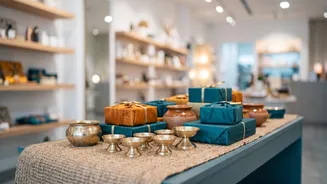







The festive season in India arrives with an unmatched buzz of excitement and consumption. But beneath the surface of bustling markets and online sales, a subtle yet significant transformation is underway in how Indians are choosing to spend their money.
The Pinch of Prudence
The most significant factor reshaping festive budgets is the economic climate. With retail inflation crossing 5% in September 2026 and food inflation even higher at 7.74%, households are feeling the pressure. This has led to what a recent Deloitte report calls 'calibrated consumption'. Consumers are carefully balancing their aspirations with financial prudence. According to a LocalCircles survey, overall festive spending in urban India is projected to see a 6% dip in 2026, with the average household budget hovering around ₹20,000. Many are dipping into savings to fund their purchases, indicating a more cautious approach compared to previous years.
Value and Longevity Over Volume
The modern festive shopper is increasingly prioritising value over sheer volume. Instead of numerous small, impulsive buys, there's a tangible shift towards fewer, more meaningful purchases. This is evident in big-ticket categories like jewellery, where traditions are being adapted. Consumers are opting for smaller, lightweight items like 5-gram gold coins or 14-18K pieces instead of elaborate sets. Many are also exchanging old gold to finance new buys, turning existing assets into a way to keep traditions alive without overstretching budgets. This trend extends to fashion, where shoppers are looking for versatile pieces that can be restyled, rather than buying a new outfit for every single occasion.
The Rise of the Conscious Consumer
‘Purpose-driven’ is no longer just a buzzword; it's a key factor in purchasing decisions. A study by Hansa Research found that 85% of consumers consciously try to make eco-friendly choices during festive shopping. This includes avoiding plastic decorations, preferring sustainable packaging, and actively choosing to support local, handmade, or small businesses. This quest for purpose also means consumers are looking for brands that align with their values, whether that's sustainability, community empowerment, or heritage preservation. It’s a move away from mindless consumption towards buying things that have a positive story and tangible impact.
Investing in Experiences and Wellness
Another facet of purpose_driven spending is the growing preference for experiences over physical products. About 51% of consumers now prefer gifting experiences, such as travel, wellness app subscriptions, or special meals, over material goods. Travel and holidays are a planned expense for 45% of households this season. This reflects a broader desire to create lasting memories. Even within product categories, wellness is a key driver. A study on Gen Z consumers revealed that nearly half, 47%, plan to buy healthy snacks during the festive season, showing that indulgence and well_being are no longer seen as mutually exclusive.
The Digital and Generational Shift
Younger generations, particularly Gen Z and Millennials, are at the forefront of this change. While 60% of Gen Z consumers are increasing their spending, their approach is highly intentional. They are digital natives who blend planning with spontaneity, using AI _powered tools, social media, and online reviews to explore and evaluate products before buying. This cohort is also redefining festive traditions by making them more personal; alongside buying gifts for family, nearly a third also purchase gifts for themselves. Their spending is distributed across fashion, food, and gifting, but with a clear intent to balance tradition with personal expression and modern values.