







The Secret of the Rain Shadow
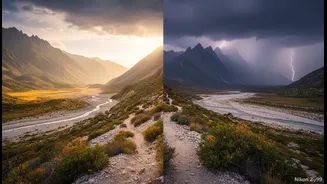
The magic lies in a fascinating geographical phenomenon known as the rain-shadow effect. When moisture-laden monsoon winds from the Indian Ocean travel inland, they encounter the colossal barrier of the Himalayas. Forced to rise, the air cools, and its
moisture condenses, dumping heavy rain on the windward (southern) side of the mountains. By the time this air crests the high peaks and descends on the other side—the leeward side—it has lost most of its moisture. This descending air warms up, creating a dry, arid to semi-arid climate that remains largely untouched by the monsoon. This effect creates vast, high-altitude deserts and valleys, such as Ladakh and Spiti, that are shielded from the downpours plaguing the rest of the country.
High-Altitude Haven: Ladakh
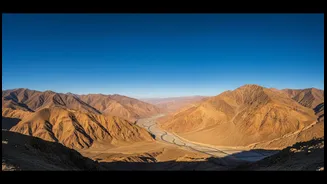
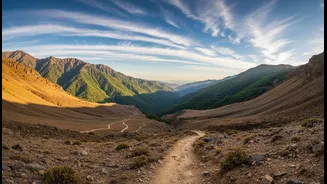
Often called the 'Cold Desert', Ladakh is the quintessential rain-shadow region, making it a premier destination for trekking from June to September. While the rest of India experiences heavy rainfall, Ladakh enjoys clear blue skies and bright sunshine. The minimal precipitation means trails are stable and accessible, offering comfortable trekking conditions. One of the most celebrated monsoon treks here is the Markha Valley Trek. This route takes you through the stunning landscapes of Hemis National Park, past remote villages with traditional mud-brick homes, ancient monasteries, and dramatic canyons. The trek offers a unique blend of natural beauty and a deep dive into Tibetan-Buddhist culture, with the added thrill of river crossings that are at their peak flow due to melting glacial ice.
Middle Land Magic: Spiti Valley
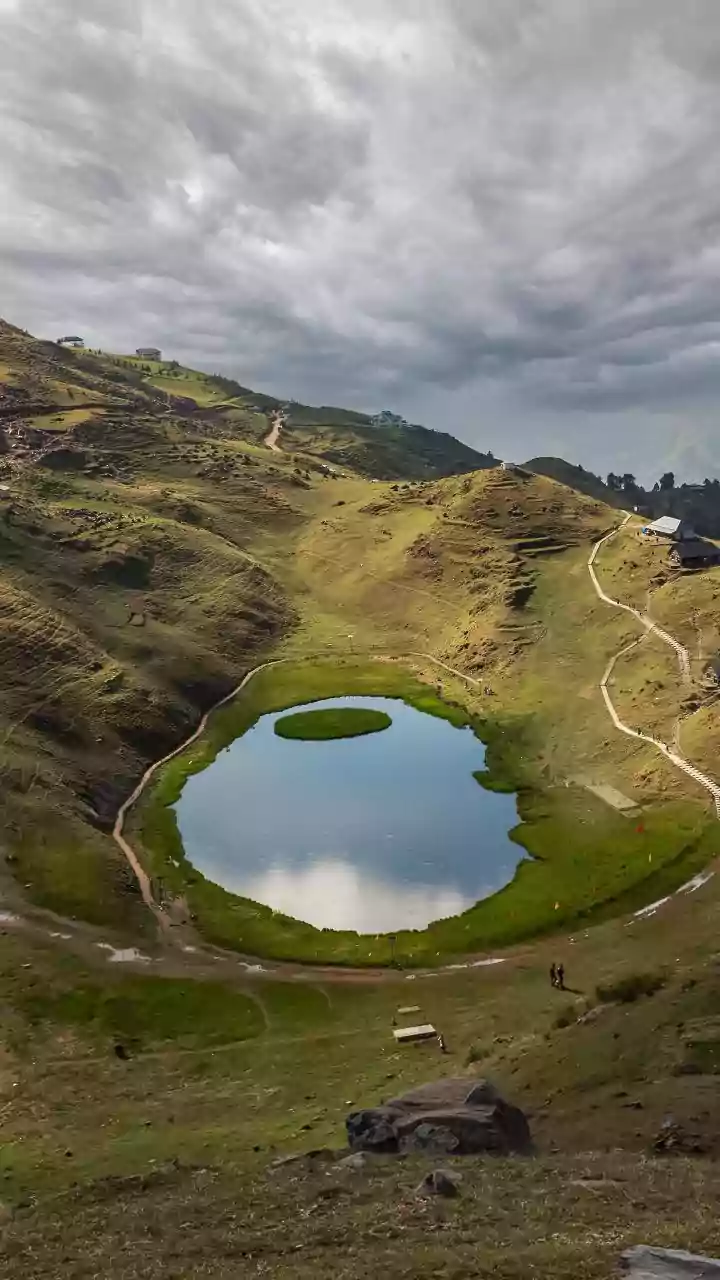
Neighboring Ladakh, Himachal Pradesh's Spiti Valley—meaning 'The Middle Land'—is another spectacular rain-shadow sanctuary for monsoon trekkers. This region's stark, barren mountains, deep gorges, and windswept landscapes provide a dramatic contrast to the lush greenery typically associated with the rainy season. Treks like the Pin Bhaba Pass and the Kanamo Peak trek are popular choices. The Pin Bhaba Pass is particularly notable as a crossover trek, starting in the green, rain-fed Bhaba Valley and dramatically entering the arid, desolate beauty of Pin Valley in Spiti. This transition offers a visual spectacle, allowing trekkers to experience two entirely different worlds in a single journey. Similarly, the trek to Chandratal Lake, a stunning high-altitude waterbody, becomes accessible and offers breathtaking views under clear monsoon skies.
Beyond the Himalayas
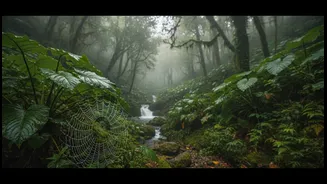
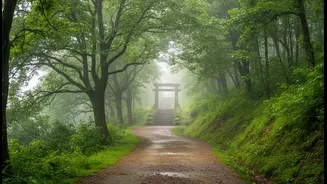
While the most dramatic rain-shadow areas are in the Himalayas, the phenomenon also occurs in Peninsular India. The Western Ghats, which run parallel to the country's west coast, force the monsoon winds to drop immense rainfall on their western slopes. The eastern, or leeward, side of the Ghats lies in a rain shadow, receiving significantly less rainfall. This creates a different kind of trekking environment. While not as arid as Ladakh or Spiti, regions in interior Tamil Nadu and the eastern fringes of Karnataka and Kerala offer trails that are far less slushy and waterlogged than their western counterparts. Treks around places like Chikmagalur can offer a gentler monsoon experience, with misty trails through grasslands and shola forests, but without the intense downpours of the coastal side. These areas provide a unique opportunity to see the Western Ghats' biodiversity come alive in the rains, but with more manageable trekking conditions.