








What Exactly Is Kokum?
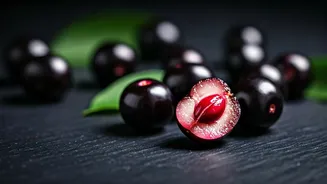
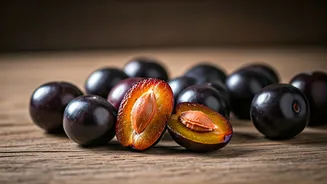
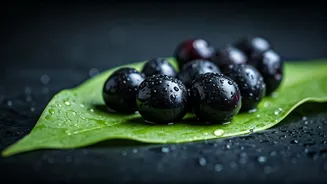
Known scientifically as Garcinia indica, Kokum is a fruit native to the Western Ghats of India. When fresh, it’s a small, round, reddish-purple fruit that looks a bit like a small plum. However, you are more likely to have encountered it in its dried
form, known as 'amsul' or 'kokum,' which appears as dark, almost black, leathery rinds. This is the form most commonly used in cooking. For centuries, it has been a staple in Maharashtrian, Goan, and Konkan cuisines, prized not just for its unique souring ability but also for its remarkable health properties that have been passed down through generations of kitchen wisdom.
The Cooling Champion of Summer
One of Kokum’s most celebrated roles is that of a natural body coolant. As the scorching Indian summer arrives, glasses of deep pink Kokum sherbet become a common sight. Unlike sugary, artificial soft drinks, this traditional beverage is known to combat dehydration, prevent heatstroke, and replenish the body. The fruit has properties that are believed to help reduce 'pitta' (heat) in the body, according to Ayurvedic principles. This cooling effect is why you’ll also find 'solkadhi,' a soothing post-meal drink made from coconut milk and kokum, served alongside spicy coastal meals. It’s nature’s perfect antidote to tropical heat.
A Gut-Friendly Powerhouse
Beyond its cooling nature, Kokum is a fantastic ally for your digestive system. It’s traditionally used to provide relief from acidity, indigestion, and flatulence. The magic lies in its active compounds, particularly Hydroxycitric Acid (HCA). While HCA has been studied for its potential role in weight management, its more traditional and immediate benefit is promoting a healthy gut. It works as a gentle digestive stimulant and has anti-inflammatory properties that can soothe an irritated stomach lining. Adding a piece of dried kokum to your dal or curry doesn't just add a tangy flavour; it makes the entire meal easier to digest.
Rich in Powerful Antioxidants
Don’t let its small size fool you; Kokum is loaded with potent antioxidants. The deep purple colour of the fruit’s rind comes from anthocyanins, the same compounds found in blueberries and black grapes. It also contains garcinol, a powerful antioxidant that is being studied for its ability to neutralise free radicals in the body. Free radicals are unstable molecules that can cause cellular damage and inflammation, contributing to various chronic health issues. By incorporating antioxidant-rich foods like Kokum into your diet, you help your body protect itself from this oxidative stress, supporting overall long-term health.
Bringing Kokum Into Your Kitchen
Ready to embrace this super-fruit? It’s incredibly easy. You can find Kokum in several forms. The most common is dried Kokum (amsul), which you can soak in warm water for a few minutes before adding to fish curries, dals, and vegetable dishes for a tangy kick that isn't as sharp as tamarind. Another popular option is Kokum concentrate or syrup, which is the easiest way to make delicious Kokum sherbet—just mix it with cold water, add a pinch of cumin powder and black salt, and you're good to go. For a truly authentic experience, try making solkadhi by blending soaked Kokum with fresh coconut milk, ginger, and green chillies. It’s a digestive, a cooler, and a delicious drink all in one.