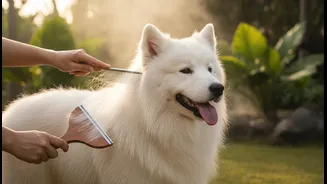






Breed and Coat: The Biggest Factor
The most significant factor determining grooming frequency is your dog's coat. Different breeds have vastly different needs. Long-haired breeds like Shih Tzus and Golden Retrievers require frequent, even daily, brushing to prevent painful tangles and mats.
Professional grooming every 4-6 weeks is often recommended for these dogs. Breeds with thick double coats, such as German Shepherds and Huskies, need regular brushing (2-3 times a week) to manage their undercoat and control shedding, especially during seasonal changes. Short-haired breeds like Labradors, Beagles, and our native Indian Pariah dogs require the least maintenance. A weekly brush-down is usually enough to remove loose hair and distribute natural skin oils. The Indian Pariah dog, or Indie, is particularly well-suited to the tropical climate, with a short coat that sheds minimally and requires very little upkeep.
Adjusting for India's Diverse Climate
India's varied climate plays a huge role in your dog's skin and coat health. The hot and humid conditions common across much of the country can trap moisture against the skin, creating a breeding ground for bacteria and fungal infections like hot spots. This is especially true for dogs with thicker coats. During summer and monsoon seasons, more frequent brushing is essential to improve air circulation through the fur and remove debris. While it might seem tempting to shave a long-haired dog in the summer, their coat can act as insulation against the heat. Instead, a 'summer cut' or trim might be a better option for some breeds. After walks in the rain, it is crucial to ensure your dog is dried thoroughly to prevent skin issues. Pay special attention to their ears, as moisture can get trapped and lead to infections, a common issue in humid weather.
The Influence of Your Home Environment
Where your dog spends its time also dictates grooming needs. An urban dog living in a city apartment may be exposed to more pollutants and dust, which can cling to their coat and require more frequent baths. In contrast, a dog living in a more rural setting might bring in more dirt, mud, and plant matter. Dogs that spend most of their time indoors, especially in air-conditioned homes, might shed more consistently and may need less intensive grooming than dogs that are frequently outdoors. However, all dogs benefit from a regular routine to manage shedding and maintain healthy skin. The activity level of your dog matters too; highly active dogs who love outdoor play will naturally accumulate more dirt and require more clean-ups.
Key Signs Your Dog Needs a Groom
Your dog will often give you clear signals when it's time for some grooming attention. One of the most obvious signs is matted or tangled fur, which can be painful and lead to skin infections if ignored. A persistent, unpleasant odour that doesn't go away after a bath can also signal underlying skin conditions that a professional groomer can help identify. If you notice your dog is scratching, licking, or chewing excessively at one spot, it could be due to skin irritation from dirt, allergens, or even parasites. Other tell-tale signs include overgrown nails that click on the floor, which can affect your dog's posture and comfort, and excessive shedding beyond the normal seasonal changes.
The Dangers of Too Much Grooming
While essential, grooming can be overdone. Bathing your dog too frequently can strip the natural oils from their coat, leading to dry, flaky, and irritated skin. Unless your dog is particularly dirty or has a medical condition, a bath every 4-6 weeks is often sufficient for many breeds. Similarly, over-brushing can cause skin irritation, sometimes called 'brush burn', and can damage the coat's natural texture. It's also critical to be careful when trimming nails to avoid cutting the 'quick', the sensitive part of the nail containing blood vessels, which is painful and can lead to bleeding and infection. If you're unsure, it's always best to seek guidance from a professional groomer or veterinarian.