




Lentils and Pulses
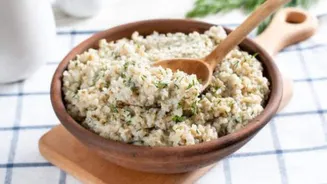
When the rain is lashing against your window, a warm, comforting bowl of dal is hard to beat. Lentils and pulses are the backbone of easy monsoon cooking for good reason. Split lentils (like moong or masoor dal) cook incredibly quickly, forming the base
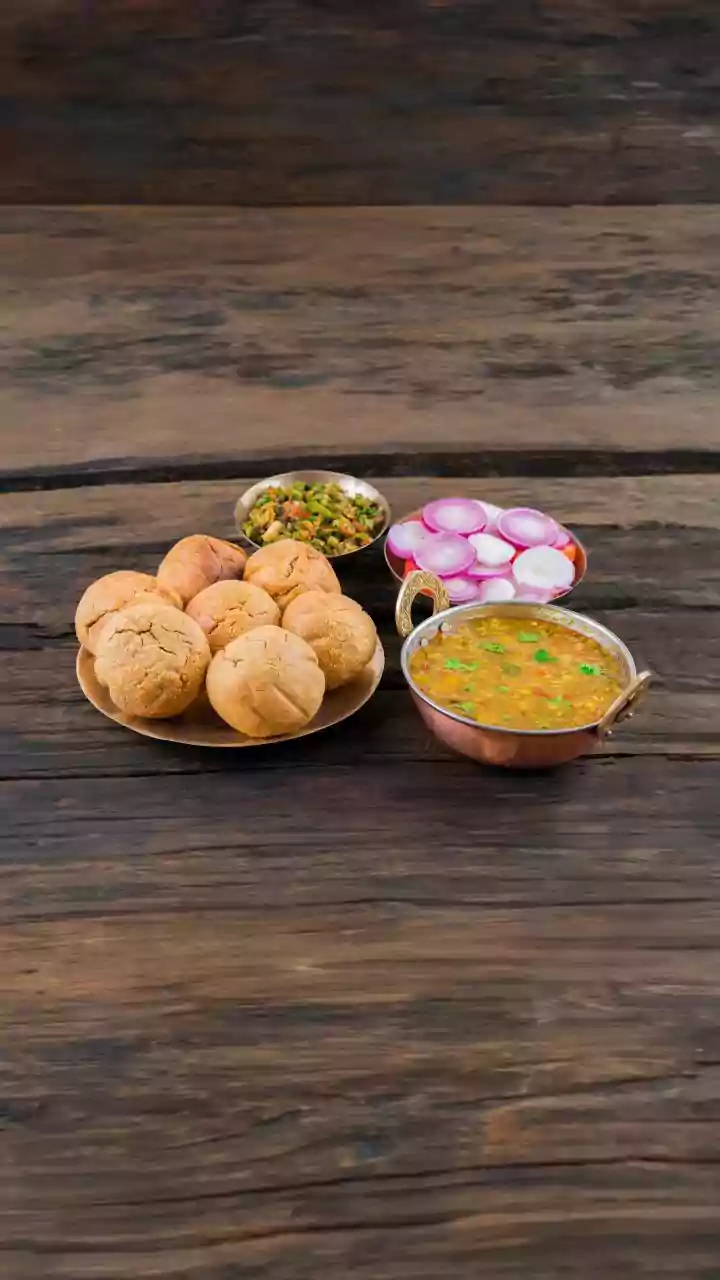
for simple dals, hearty soups, and the ultimate rainy-day meal: khichdi. During the monsoon, when digestion can be a bit sluggish, lighter dals like moong are particularly easy on the stomach. Stocking your pantry with a variety of dals means you are always just 20 minutes away from a nourishing meal. They require minimal prep and can be transformed with a simple tadka of ghee, cumin, and mustard seeds, delivering maximum comfort with minimum effort.
Eggs
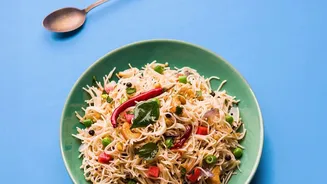
For a fast, reliable source of protein, nothing beats the humble egg. When you're short on time or fresh vegetables, eggs come to the rescue, making them a true kitchen hero during the monsoon. They are incredibly versatile and can be turned into a satisfying meal in minutes. A quick egg bhurji with pav, a simple omelette stuffed with a bit of onion and tomato, or a couple of boiled eggs added to instant noodles can elevate a basic meal into something substantial and delicious. Their quick-cooking nature means less time standing over a hot stove, allowing you to get back to enjoying the weather with a warm cup of chai. Having a tray of eggs on hand ensures you’re never stuck for a quick breakfast, lunch, or dinner idea.
Root Vegetables
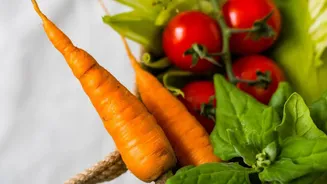
While the monsoon is great for lush greenery, it’s not so kind to delicate leafy vegetables, which can spoil quickly in the high humidity and may carry more microbes. This is where sturdy root vegetables shine. Potatoes, onions, carrots, and sweet potatoes have a much longer shelf life and are less susceptible to the dampness. Keeping a stock of these basics reduces your need for frequent grocery runs in the rain. They are the versatile foundation for countless easy meals; think simple aloo sabzi, roasted sweet potatoes, or a hearty vegetable stew. A few potatoes and onions can form the base of almost any curry, ensuring you can always whip up a fresh, home-cooked meal.
Besan (Gram Flour)
Besan is practically synonymous with monsoon snacks like pakoras, but its utility goes far beyond deep-frying. As a pantry staple with an excellent shelf life, gram flour is a secret weapon for quick and healthy meals. You can whip up a batter for savoury pancakes, known as cheela or chilla, in just a few minutes. These can be filled with grated paneer or vegetables for a light yet filling meal. Besan is also the key ingredient for kadhi, a comforting yogurt-based soup that is perfect for a rainy day. Its ability to transform into both snacks and full meals makes it an indispensable ingredient for making monsoon cooking both easy and exciting.
Warming Spices
During the monsoon, our immunity can take a dip, and digestion often feels weaker. This is where warming spices like ginger, turmeric, and black pepper become essential. While not a 'food' on their own, they are crucial for making simple cooking taste great and feel good. A small piece of ginger can elevate a simple cup of tea, aid digestion, and help ward off colds. Turmeric has powerful anti-inflammatory properties, while black pepper helps the body absorb its benefits. Using these spices generously in your dals, soups, and vegetable dishes adds layers of flavour, making even the most basic meal feel special. They are key to creating protective, comforting food that is perfectly suited for the season.