






A New Urban Sunrise
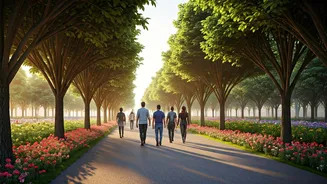
Across India's bustling cities, from Bengaluru's Cubbon Park to Delhi's Lodhi Garden, a quiet revolution is taking place at dawn. Before the city fully wakes and the noise of traffic takes over, groups of people are gathering on the grass. They are not
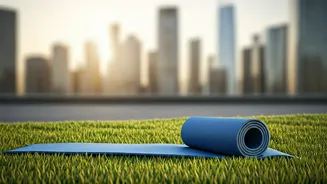
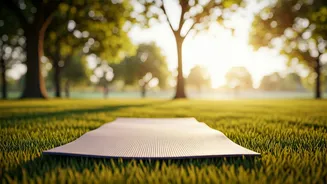
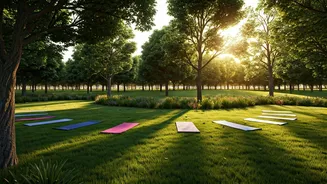
there for a morning walk, but for a shared practice of yoga. This grassroots movement sees city dwellers of all ages and backgrounds laying down their mats in public spaces, creating temporary wellness zones amidst the urban chaos. Led by volunteer instructors or experienced practitioners, these sessions are often free or donation-based, making the ancient practice accessible to everyone. It's a simple, powerful image: dozens of people moving in unison, finding stillness as the sun rises over the concrete jungle.
More Than Just a Workout
While the physical benefits of yoga are well-documented, practicing it outdoors adds another layer of well-being. Proponents call it 'green exercise,' and the science backs them up. Studies suggest that exercising in nature can reduce stress levels, improve mood, and increase feelings of revitalisation more effectively than indoor workouts. In the context of a dense Indian city, even a small patch of green can be a powerful antidote to the sensory overload of daily life. The feeling of fresh air on the skin, the connection to the earth beneath the mat, and the sight of trees and sky create a multi-sensory experience that a sterile studio cannot replicate. It’s a holistic practice that nurtures not just the body, but also the mind and spirit, offering a much-needed mental reset before the workday begins.
Finding Your Tribe on the Mat
Perhaps the most significant aspect of park yoga is the community it fosters. Urban life can be isolating, with many people feeling disconnected despite being surrounded by millions. These open-air yoga groups break down those barriers. There's a natural camaraderie that develops when you share a practice, a space, and a sunrise with others. Strangers become familiar faces, and greetings are exchanged. These informal networks provide social support and a sense of belonging, combating the loneliness epidemic that plagues modern cities. Unlike exclusive clubs or expensive gyms, the park is a democratic space. The sessions attract students, working professionals, homemakers, and retirees, creating a diverse and inclusive community bound by a shared interest in wellness.
Breathing Life Into Green Lungs
The rise of park yoga is also a story about urban design and public space. For too long, many city parks were seen as passive, ornamental spaces or simply thoroughfares. This movement reclaims them as active, vital hubs for community health. By populating parks with positive, life-affirming activities, citizens are reinforcing their value and ensuring they remain safe and accessible for everyone. Local authorities are starting to take notice, with some municipal bodies even encouraging such activities as part of their public health initiatives. This trend demonstrates that our public spaces are not just land; they are infrastructure for well-being. They are the city's lungs, and park yoga is helping people remember how to breathe with them.
How to Join the Movement
Joining this wellness wave is simpler than you might think. Most groups are informal and organised through word-of-mouth or social media. A quick search on platforms like Instagram or Facebook for terms like "park yoga" or "outdoor yoga" followed by your city's name often yields results. Local community groups and neighbourhood forums are also good places to find information. Most sessions are beginner-friendly and require nothing more than a mat (or even just a towel) and comfortable clothing. The welcoming, non-judgmental atmosphere is one of the biggest draws. The only prerequisite is an open mind and a willingness to show up.