



A Masterclass in Galle
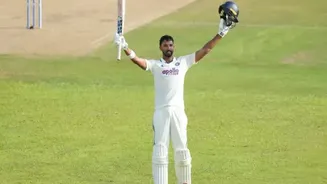
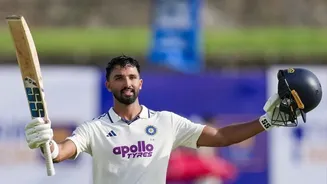
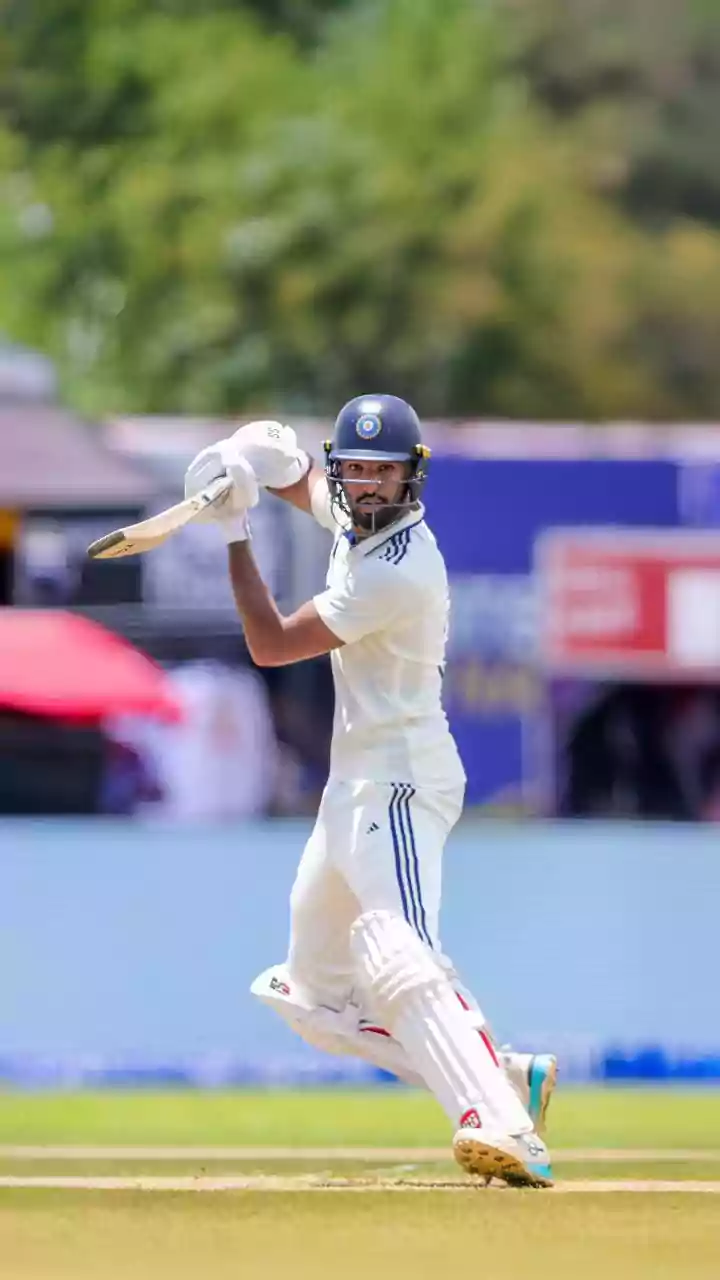
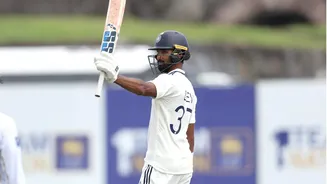
On what was a landmark 600th Test match for India, Devdutt Padikkal turned a comeback into a coronation. Playing in only his third Test, the elegant left-hander crafted an unbeaten 131 against Sri Lanka, an innings of remarkable poise and authority. Coming
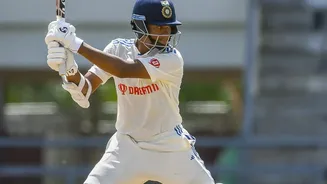
to the crease after an early run-out, Padikkal absorbed the pressure and systematically dismantled the home team's bowling attack. His knock, achieved off just 134 balls, was studded with 12 fours and a six, showcasing both classical technique and a modern willingness to attack. He formed a crucial 150-run partnership with KL Rahul, who retired hurt on 77, ensuring India dominated the opening day. This wasn't just a personal milestone; it was a statement of intent.
Ending the Two-Year Itch
Padikkal’s century broke a significant dry spell for Indian cricket. Before his masterclass, the last Indian batsman to score a Test hundred from the number three position was Shubman Gill against Bangladesh in Chennai, back in September 2024. In the 19 Test matches that followed, India tried as many as seven different players in that pivotal role, including Sai Sudharsan, Karun Nair, and even all-rounder Washington Sundar. The collective output was grim: across 35 innings, the No. 3 spot yielded an average of just 27.28 with only five half-centuries to show for the experimentation. This revolving door created instability at the top of the order, making Padikkal’s definitive performance all the more significant.
The Predecessor: Shubman Gill's Last Hurrah at Three
The man Padikkal succeeded as a centurion at one-down was none other than his current captain, Shubman Gill. Gill’s last century in that position, an unbeaten 119 against Bangladesh in 2024, now feels like a distant memory. Since the retirements of modern-day legends, the No. 3 spot—once the undisputed territory of 'The Wall' Rahul Dravid and the resilient Cheteshwar Pujara—had become a source of consistent concern for the selectors. While Gill showed promise, his eventual move down the order to captain from the middle reopened the debate. The inability of several players to cement their place highlighted the immense pressure and technical skill required to succeed in that position, a challenge Padikkal has now met head-on.
The Weight of the Number Three Legacy
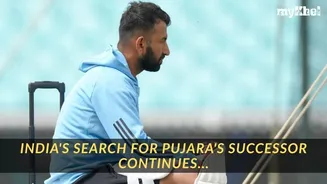
In the annals of Indian cricket, the number three batsman is more than just a player; they are the anchor of the innings, the individual tasked with blunting the new ball and setting the platform for the middle order. This position was defined by the unwavering concentration of Rahul Dravid, who became a fortress for the team for over a decade. Cheteshwar Pujara later inherited that mantle, frustrating bowling attacks worldwide with his immense patience and resilience, most notably in Australia. Padikkal’s century does more than just fill a statistical gap; it offers the promise of a worthy successor to this storied legacy. His fluent, attacking style presents a different dimension, but his composure suggests he understands the responsibility that comes with the role.
A Glimpse into India's Future
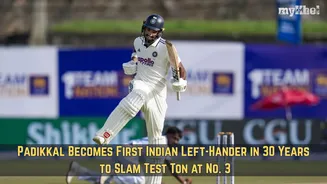
Padikkal's innings was a rare feat. He became only the second Indian left-hander to score a Test century from No. 3 in the 21st century, the first being Sourav Ganguly in 2002. This performance, born from an opportunity created by an injury to Sai Sudharsan, has given the Indian team management a welcome selection headache. With a solid century under his belt, Padikkal has not only made a compelling case for a long run in the Test side but has also potentially solved the team's most persistent batting problem. As India looks to build its next generation of Test cricketers, this Galle masterclass may well be remembered as the moment a new pillar of the batting order was firmly put in place.

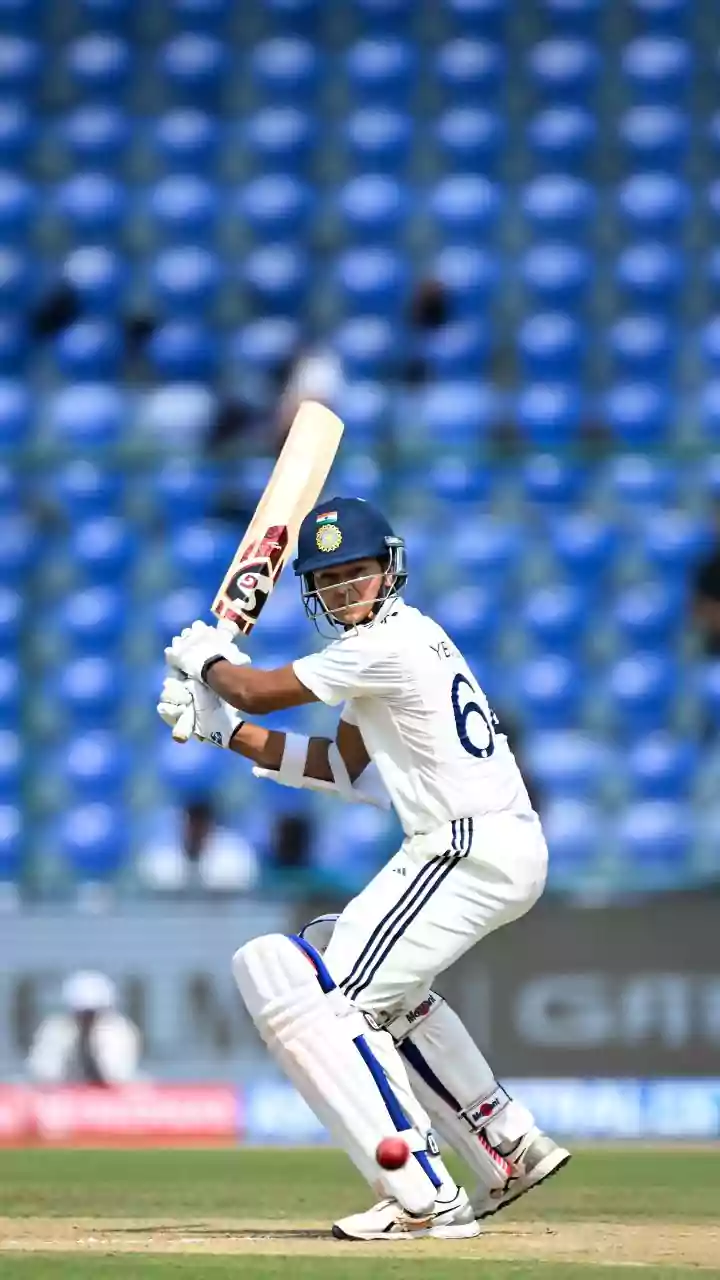
![[WATCH] Horrible mix-up leads to Yashasvi Jaiswal run out in Galle Test](https://g-mob.glance-cdn.com/public/fc/image/7EgUwl_ICQD0.webp)