
What is Functional Core Strength?
Before we get into the movements, let's redefine 'core workout'. Your core is more than just the abdominal muscles you see. It's a complex group of muscles including your back, hips, and pelvis that work together as a stabilising foundation for your entire
body. Functional strength training means teaching these muscles to work together to support everyday activities—like lifting groceries, playing with your kids, or even just sitting at a desk with better posture. The goal is to build a core that is resilient, prevents injury, and makes daily life easier and safer.
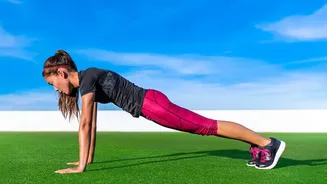
The Plank
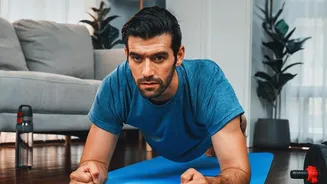
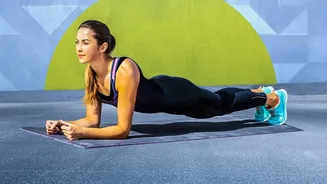
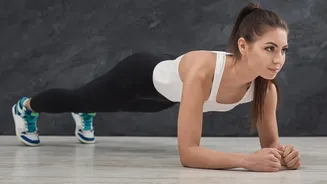
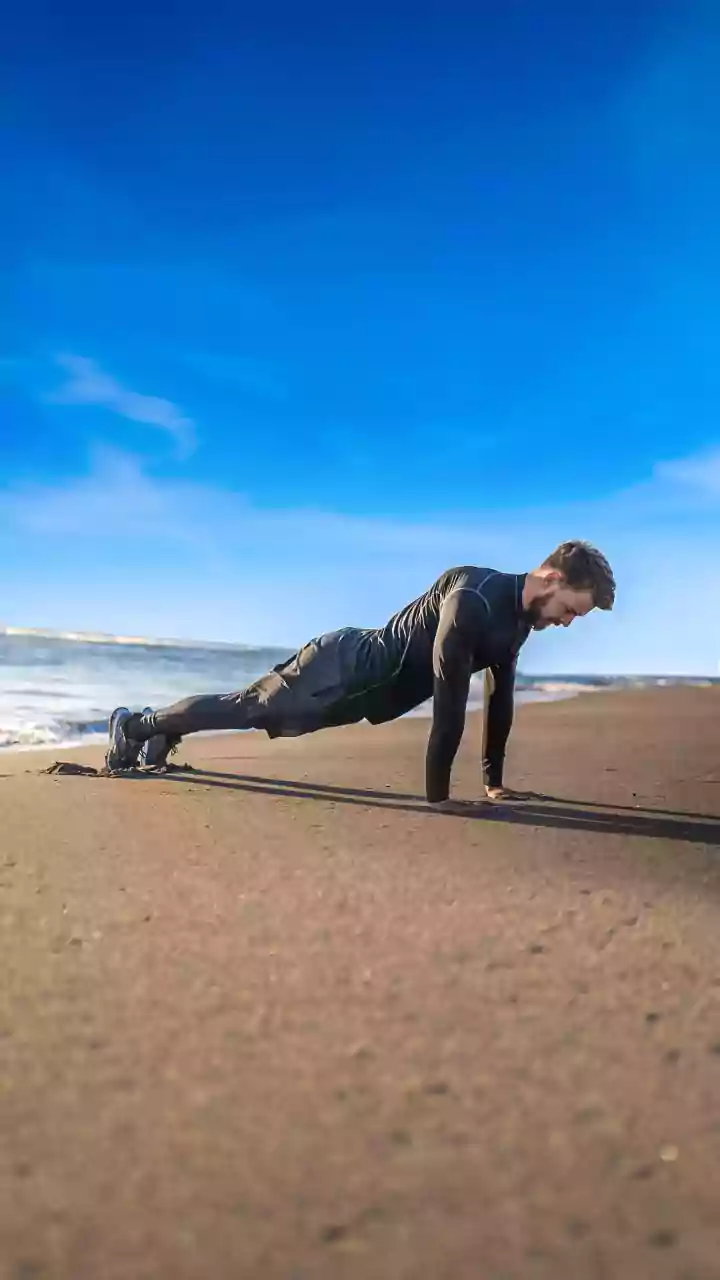
The plank is a classic for a reason: it's the foundation of core stability training. It teaches your core to resist gravity and brace your spine, which is crucial for almost every movement. To perform a plank correctly, place your forearms on the floor with your elbows directly under your shoulders. Extend your legs straight behind you, resting on your toes. Your body should form a straight line from your head to your heels. Avoid letting your hips sag or rise too high. Engage your abdominal muscles by pulling your navel in toward your spine and squeeze your glutes. Breathe steadily and hold the position for 30-60 seconds, focusing on quality form.
The Bird-Dog
The bird-dog is a fantastic exercise for improving balance and stability across your entire trunk. It challenges your core to prevent rotation as your limbs move, a key component of functional strength. Start on all fours with your hands directly below your shoulders and your knees below your hips. Keeping your back flat and your core engaged, slowly extend your right arm straight forward and your left leg straight back. Pause for a moment, ensuring your hips and shoulders stay perfectly level—imagine you have a glass of water on your lower back that you don't want to spill. Slowly return to the starting position and repeat on the other side, extending your left arm and right leg.
The Dead Bug
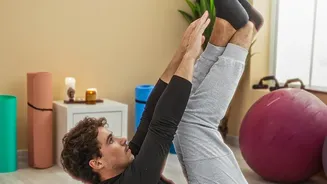
Don't let the name fool you; the dead bug is a powerhouse for developing deep core control without straining your back. Lie on your back with your arms extended toward the ceiling and your knees bent at a 90-degree angle over your hips. Press your lower back gently into the floor to engage your core; there should be no arch. Slowly lower your right arm and left leg toward the floor simultaneously, going only as far as you can without your back arching. Exhale as you lower, then inhale as you return to the starting position with control. Repeat with the opposite arm and leg. The key is slow, deliberate movement.
The Glute Bridge
While often seen as a glute exercise, the bridge is essential for a functional core because it strengthens the posterior chain—your glutes and lower back—which are critical for pelvic stability. Lie on your back with your knees bent, feet flat on the floor about hip-width apart, and your arms by your sides. Squeeze your glutes and press through your heels to lift your hips off the floor until your body forms a straight line from your shoulders to your knees. Avoid over-arching your back. Hold the top position for a second before slowly lowering your hips back down.
Side Plank
Your core doesn't just work in the forward-and-back plane; it's crucial for side-to-side stability. The side plank targets the obliques and other muscles that prevent lateral bending of the spine. Lie on your right side, propping yourself up on your right forearm with your elbow directly beneath your shoulder. Stack your feet one on top of the other. Engage your core and lift your hips until your body is in a straight line from your head to your feet. Keep your hips from sagging. Hold for 20-30 seconds, then switch to the other side. For an easier modification, you can perform the exercise with your knees bent and resting on the floor.