
The Foundation of Flavour: Oil
The most fundamental difference between North and South Indian pickles lies in the oil used as a base. In North India, particularly in states like Punjab, Uttar Pradesh, and Rajasthan, mustard oil is the undisputed king. Its pungent, sharp aroma and preservative
qualities define the region's pickles, giving them a signature golden hue and a bold flavour. This oil is often heated to its smoking point and then cooled to mellow its intensity before being used. In contrast, South Indian pickles predominantly use sesame oil, also known as gingelly or 'til ka tel'. This oil imparts a milder, nuttier, and smoother flavour that allows the other spices to shine through. The choice is a direct reflection of local agriculture—mustard is widely cultivated in the North, while sesame is more common in the South.
A Tale of Spices and Souring Agents
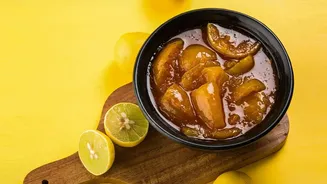
The spice palettes of the North and South are distinctly different. Northern pickles often feature whole or coarsely ground spices like fennel seeds (saunf), nigella seeds (kalonji), and fenugreek seeds (methi). These spices contribute to an earthy and aromatic profile that deepens as the pickle matures. For sourness, North Indian recipes might use dried mango powder (amchur) or vinegar. Southern spice blends, on the other hand, tend to be fiery and intense. They rely heavily on powdered red chillies (often the famously hot Guntur variety), mustard powder, asafoetida (hing), and curry leaves. The primary souring agents are tamarind and lemons, which provide a sharp, tangy kick that is characteristic of the region's cuisine.
From Local Produce to the Jar
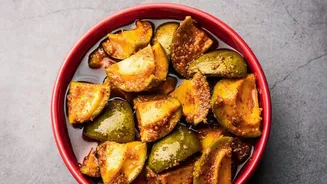
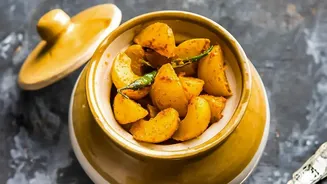
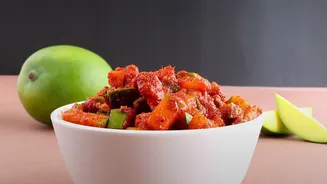
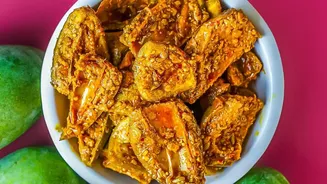
The vegetables and fruits used in pickles are a celebration of regional, seasonal produce. In the North, the colder winters yield hearty vegetables that are perfect for pickling. It's common to find pickles made from carrots, cauliflower, turnips, and green chillies, often combined in a 'mixed vegetable achar'. Unripe green mangoes are universally popular, but the North Indian 'Aam ka Achaar' is typically made with firm, tart varieties cut into large chunks. South India showcases its own unique produce. The famous 'Avakaya' pickle from Andhra Pradesh uses specific local mango varieties that are intensely sour. Beyond mangoes, the South makes brilliant pickles from ingredients rarely seen in Northern achars, such as gongura (sorrel leaves), tamarind, and various local citruses and berries.
Methods of Preparation and Preservation
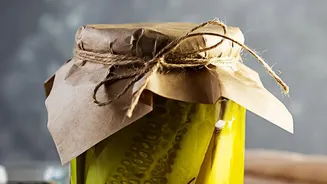
While both traditions rely on salt and oil as primary preservatives, their methods can differ. Sun-curing is a hallmark of many North Indian pickles. Jars filled with mangoes or vegetables and spices are often left in the sun for days or even weeks. This process allows the flavours to meld slowly and naturally while reducing moisture. In the South, while sun-drying is also used, many pickles involve a cooking step. Spices are often roasted or tempered in hot oil (a process called 'tadka') before being mixed with the main ingredient. This technique instantly awakens the aroma and flavour of the spices, resulting in a pickle that is often ready to eat much sooner. The texture also varies; Northern pickles tend to have larger, firmer pieces, whereas Southern pickles may feature smaller cuts or even be cooked down into a thick paste or 'thokku'.