

Why Stimulation Is Not Just 'Play'
For an animal living within four walls, life can become predictable and monotonous. Without adequate stimulation, pets can develop problem behaviours like destructive chewing, excessive barking or meowing, and anxiety. Enrichment is the process of creating
a more engaging environment that allows your pet to perform its natural behaviours, such as hunting, foraging, sniffing, and climbing. This isn't about spoiling them with endless toys; it's about providing outlets for their instincts, which boosts their mental health, reduces stress, and strengthens the bond you share.
The Power of Scent for Dogs
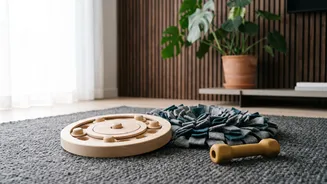
A dog's primary sense is its nose, which contains millions more sensory receptors than our own. Engaging this powerful sense is deeply satisfying and calming for them. Instead of just placing their food in a bowl, turn mealtime into a game. A 'snuffle mat' hides kibble within fabric strips, encouraging them to forage as they would in nature. You can also play 'find the treat' by hiding small, aromatic treats around a room. For a more advanced challenge, create a scent trail by dragging a treat along the floor for your dog to follow. These simple nose work games can be more tiring for a dog than a long walk.
Engaging a Cat's Hunting Instincts
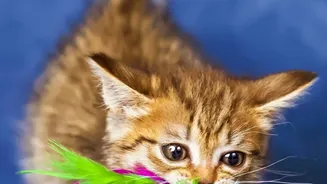
Cats are natural hunters, and their indoor lives should provide an outlet for this behaviour. Interactive toys like feather wands or laser pointers (always ending with a physical toy they can 'catch') mimic the thrill of the hunt. Puzzle feeders, which require a cat to bat, slide, or manipulate parts to get food, satisfy their need to work for their meals. Even something as simple as a cardboard box or a crumpled paper bag can provide hours of entertainment, offering a new space to explore and hide in. Rotating toys every week keeps them feeling new and exciting.
Visual and Auditory Enrichment
What your pet sees and hears is also a crucial part of their world. For cats, a secure window perch can provide endless entertainment, often called 'cat TV', as they watch birds, people, and cars go by. Some pets also enjoy videos made specifically for them, featuring birds or squirrels. When it comes to sound, you can leave on calming music or nature sounds, which can be particularly soothing for animals with separation anxiety. This provides a gentle form of stimulation without being overwhelming.
Texture, Puzzles, and Problem-Solving
Both dogs and cats benefit from toys and environments that offer varied textures. For cats, providing a mix of scratching surfaces like cardboard, sisal rope, and carpet helps satisfy their need to scratch and stretch. For dogs, toys made of different materials like rubber, plush fabric, and rope keep their interest. Puzzle toys are one of the best ways to provide cognitive enrichment. These range from simple treat-dispensing balls to complex puzzles with sliders and levers. You can even make your own by placing treats in a muffin tin and covering the cups with tennis balls, forcing your dog to figure out how to get to the reward.
Creating Vertical Space for Cats
Cats feel safer and more in control when they can survey their environment from a high vantage point. Creating vertical territory is essential for a happy indoor cat. This doesn't necessarily require a huge amount of space. Cat trees, wall-mounted shelves, or even a cleared space on top of a sturdy bookshelf can serve as a perfect lookout spot. In multi-cat households, vertical spaces are especially important as they help reduce conflict by allowing cats to establish their own territory and retreat when they need a break from others.