





The Dawn of a New Railway Era
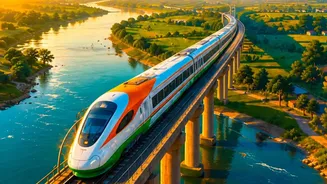
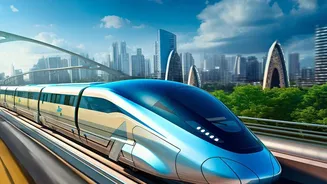
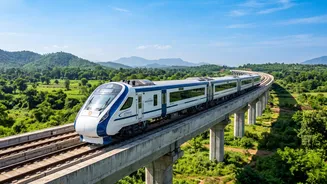
The Mumbai-Ahmedabad High-Speed Rail (MAHSR) project is India's first foray into the world of 'bullet trains'. Spanning a distance of 508 kilometres, the corridor will connect Maharashtra's financial capital, Mumbai, with Gujarat's largest city, Ahmedabad.
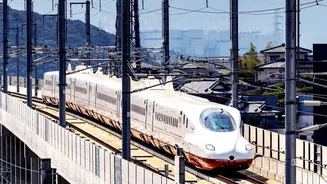
The project, which officially began with a foundation stone ceremony in 2017, is being executed by the National High Speed Rail Corporation Limited (NHSRCL). It employs Japan's renowned Shinkansen technology, known for its exceptional safety and punctuality record. This initiative is more than just a new train line; it represents a significant leap in modernising India's vast railway network, aiming to cut travel time, boost economic activity, and build domestic expertise in high-speed rail technology.
A Phased Launch from 2027
According to recent announcements by the Railway Ministry, the project will be operational in stages. The first passenger services are expected to commence in the final quarter of 2027 on the Surat-Vapi section in Gujarat. This follows significant construction milestones, including the successful energisation of the overhead electrical systems on the 50-kilometre Surat-Bilimora stretch in November 2026. Trial runs on this initial section are targeted for May 2027. The phased approach allows for gradual testing and operationalisation, with the full 508-km corridor, including a complex undersea tunnel in Maharashtra, expected to be completed by 2029.
Speed, Comfort, and Made-in-India Trains
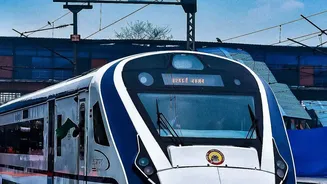
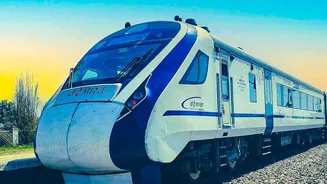
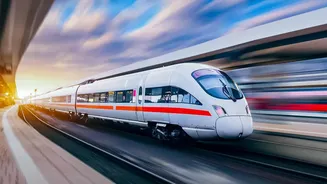
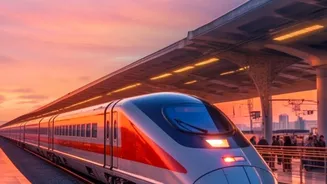
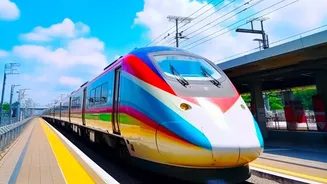
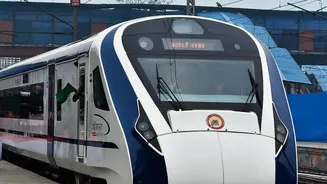
Once fully operational, the bullet train is expected to reduce the journey time between Mumbai and Ahmedabad from around 8 hours by road to just under two hours for the fastest services. While Japanese Shinkansen trainsets are part of the long-term plan, initial services will be powered by an indigenously developed train, currently designated B28. Manufactured by BEML in Bengaluru, these trains are designed for an operational speed of 249 km/h and a maximum test speed of 280 km/h. Each eight-coach trainset will accommodate around 557 passengers and will feature modern amenities like Wi-Fi infotainment, ergonomically designed seats, and accessibility features for passengers with reduced mobility.
Economic Corridors and Future Growth
The impact of the MAHSR project extends far beyond passenger convenience. By linking major economic hubs like Mumbai, Surat, and Ahmedabad, the corridor is expected to create a powerful economic engine, boosting trade and facilitating business travel. Improved connectivity is anticipated to benefit industries along the route, strengthen supply chains, and enhance quality of life by improving access to job opportunities. The project also serves as a crucial learning ground, building a domestic ecosystem for high-speed rail manufacturing and operations. This expertise is vital as India plans to develop seven more high-speed rail corridors, aiming to create a network connecting its major cities.
Overcoming Hurdles on the Fast Track
A project of this magnitude is not without its challenges. The MAHSR corridor has faced significant delays and cost escalations since its inception. Initial hurdles included complex land acquisition processes, particularly in Maharashtra, which stalled progress for years. The project's cost has reportedly nearly doubled from its original estimate to over ₹2 trillion. Furthermore, constructing the advanced infrastructure, which includes a 21-km tunnel with a 7-km undersea section near Thane Creek, presents formidable engineering challenges. Despite these obstacles, recent progress, especially in Gujarat and with the resolution of land acquisition issues in Maharashtra, has injected fresh momentum into the project's final push toward completion.