



A Renaissance of Regional Flavours
For years, the premium beverage market was dominated by international flavours. Think Italian citrus, European elderflower, and American berries. But a significant shift is underway. Bartenders and chefs are now looking inwards, rediscovering the immense
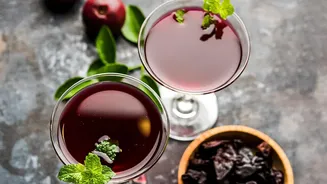
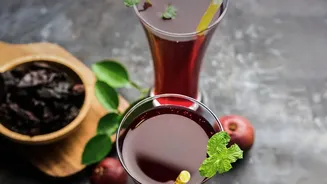
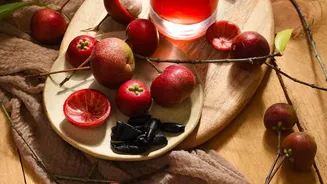
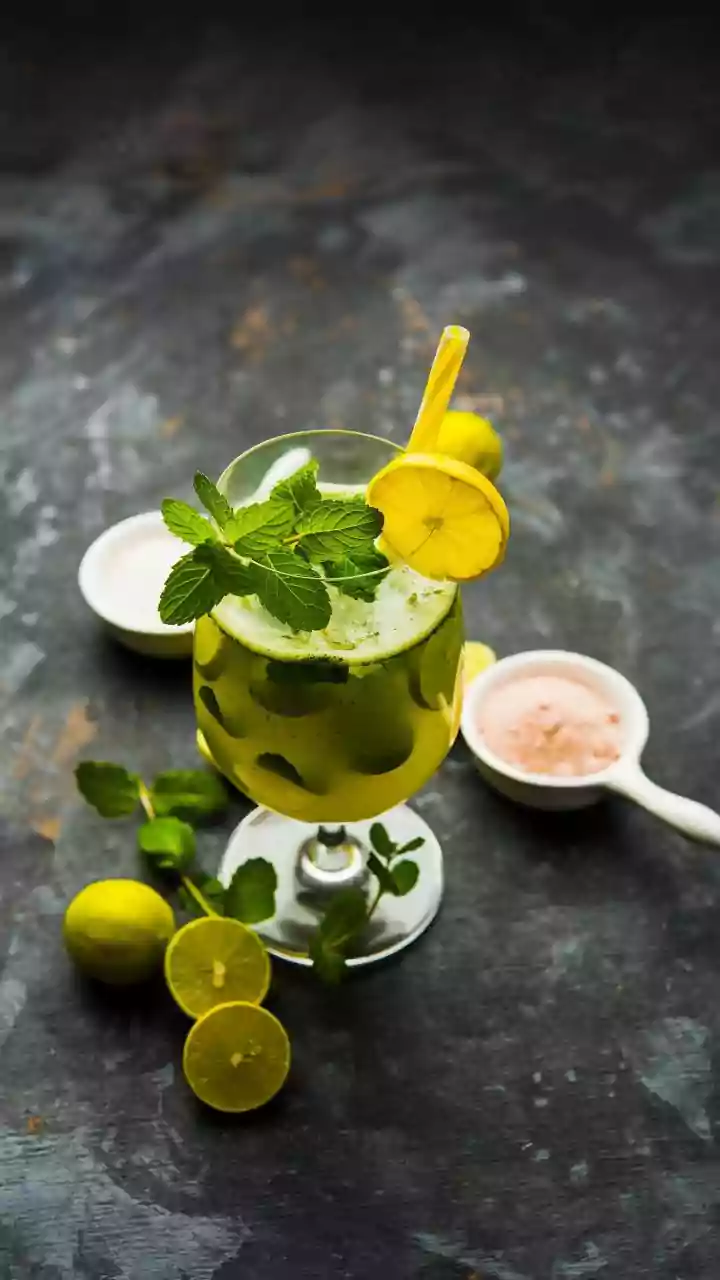
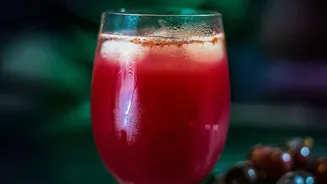
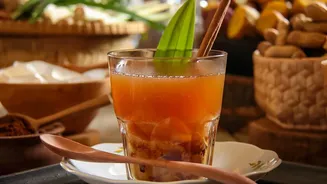
potential of India's own botanical pantry. Fruits like kokum, with its sharp, tangy notes, and jamun, known for its unique sweet and astringent taste, are leading this charge. Once relegated to traditional sherbets and curries, they are now being celebrated for their complex flavour profiles. This isn't about simply recreating old recipes; it's about using these familiar flavours in new and exciting ways, from sophisticated zero-proof cocktails to artisanal gin infusions that offer a distinctly Indian character.
Drinking to Your Health
This trend is perfectly aligned with a massive global movement towards functional beverages—drinks that do more than just quench thirst. Urban consumers are increasingly seeking out options that offer tangible wellness benefits, and these indigenous fruits deliver. Kokum, native to the Western Ghats, has long been valued in Ayurveda as a natural coolant that aids digestion and combats acidity. It is packed with antioxidants like garcinol. Similarly, jamun is a nutritional powerhouse, rich in Vitamin C and iron. It is celebrated for its immunity-boosting properties and its potential to help regulate blood sugar levels, making it a popular choice for the health-conscious. This turn towards local, 'better-for-you' options is a direct response to growing awareness about the health risks of sugary, mass-produced drinks.
Nostalgia in a Modern Glass
For many Indians, the taste of kokum or jamun is deeply tied to childhood memories—of summer holidays and grandmother's kitchen. The current trend cleverly taps into this nostalgia, reintroducing familiar flavours in a contemporary, aspirational context. The simple, homemade sherbet has been transformed into a carefully crafted drink served in an elegant glass, bridging the gap between traditional comfort and modern sophistication. This revival of heritage recipes resonates with a consumer base eager for authenticity. It allows them to connect with their cultural roots while participating in a modern, urban trend. This movement from home kitchens to high-end bars proves that these flavours are not just relics of the past but a vibrant part of India's evolving culinary identity.
The Rise of Hyper-Local Sourcing
The focus on indigenous fruits is also part of a larger, more conscious approach to consumption. As diners become more interested in the provenance of their food, chefs and restaurateurs are championing a 'farm-to-glass' philosophy. Celebrating kokum from the Konkan coast or jamun from the heartlands is a way to showcase regional biodiversity and support local farmers. This hyper-local pride is a powerful statement in a globalised world. It reflects a growing confidence in Indian produce and a desire to build a sustainable food ecosystem. By putting local ingredients in the spotlight, metro menus are not just setting trends; they are fostering a deeper appreciation for the country's rich agricultural heritage.
Beyond Kokum and Jamun
While kokum and jamun are the current stars, they are paving the way for a host of other native Indian fruits to enter the mainstream. Mixologists are experimenting with the unique properties of bael (wood apple), the tartness of phalsa (Indian sherbet berry), and the astringency of karonda (Bengal currant). Even traditional preparations like sattu, a roasted gram flour drink, are being reimagined as high-protein, culturally authentic beverages fit for a modern lifestyle. This exploration signals that the indigenous fruit infusion trend is not a fleeting fad but a fundamental, and delicious, shift in how urban India chooses to drink.