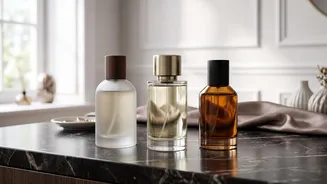







Scent's Deep Connection to Memory
Fragrance is processed in the same part of the brain that governs emotion and memory, the limbic system. This is why a specific smell can instantly transport you back to a childhood kitchen or remind you of a specific person. Unlike visual trends, scent
is an experience that works on a subconscious level. It’s not just about smelling good for others; it's about how the scent makes the wearer feel. Furthermore, every person's unique body chemistry, from their skin's pH level to their diet, can alter the way a perfume smells and develops over time. What smells one way in the bottle can transform into something entirely different on skin, making the choice deeply personal.
Become a Scent Detective
So, how do you uncover someone’s personal scent profile? Start by paying attention. The easiest clue is the fragrance they already wear. If you can, take a discreet look at the bottles on their dresser; the one with the most use is your best hint. If you can’t get that close, think about their overall style. Do they dress in a bold, expressive way or prefer understated, minimalist clothing? A person with a vibrant wardrobe might appreciate a richer, more complex scent, while someone with a simpler style may prefer something clean and fresh. Also, consider the other scented products they use, like candles, lotions, or even the type of coffee they drink. These are all clues to the aromas they enjoy.
Decoding the Language of Fragrance Families
Perfumes are generally grouped into families, which describe their dominant character. Knowing the main categories is the fastest way to narrow down your options. The four primary families are Floral, Fresh, Woody, and Oriental (often called Amber). Floral scents are classic and romantic, built around notes like rose and jasmine. Fresh scents are clean and bright, often with citrus or aquatic notes that feel energetic. Woody fragrances are grounding and earthy, with notes like sandalwood and cedar. Oriental or Amber scents are warm, rich, and often spicy, featuring notes like vanilla and musk. Once you know which family your recipient leans toward, you can explore other fragrances within that same group.
Understanding a Perfume's Journey
A fragrance isn't static; it evolves in layers known as notes. Top notes are what you smell immediately upon spraying; they are often bright and evaporate quickly. Middle, or heart, notes emerge next, forming the core character of the perfume. Finally, base notes are the deep, rich aromas that linger the longest, providing depth and longevity to the scent. This structure is why you should never judge a perfume by its first impression. The true soul of the fragrance reveals itself after it has had time to settle on the skin.
When in Doubt, Gift an Experience
If you’ve done your detective work and still feel uncertain, don’t default to the most advertised bottle on the shelf. Instead, consider a fragrance discovery set. These curated collections of smaller samples allow the recipient to explore several scents from a brand or within a specific fragrance family without the pressure of committing to a full bottle. It’s a thoughtful way to show you care while empowering them to find what they genuinely love. Another option is to choose a fragrance known for being a universally appealing 'skin scent'—often soft musks or light woods that enhance one's natural scent rather than overpowering it.