


Rethink Your Watering Schedule
The single biggest mistake plant parents make during the monsoon is overwatering. With high humidity in the air, the soil in your pots stays moist for much longer because evaporation slows down significantly. Continuing a summer watering schedule can quickly
lead to waterlogged soil, which suffocates roots and causes them to rot. Instead of watering on a fixed schedule, adopt the 'finger test' as your guide. Before you even think about watering, insert your finger about two inches into the soil. If it feels dry, it's time to water. If it feels moist, wait another day or two and check again. For many common indoor plants, this might mean watering only once every 10 to 15 days during the peak rainy season. When you do water, do it in the morning to allow any excess moisture on the surface to evaporate during the day.
Increase Air Circulation
High humidity and stagnant air are a recipe for fungal diseases like powdery mildew and black mould. Fungal spores thrive in damp, still conditions, making monsoon a prime time for infections to appear on leaves and soil. To combat this, ensure your plants have good air circulation. Avoid crowding them together; a little space allows air to move freely, reducing moisture buildup. If your plants are in a particularly humid or closed-off room, using a small fan on a low setting for a few hours a day can make a huge difference in preventing fungal growth. Good ventilation is one of your strongest preventative tools during this season.
Watch for Pests
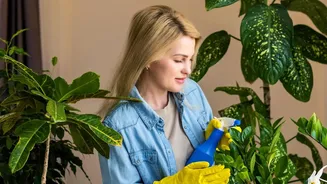
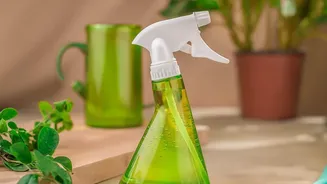
Just as fungi love the monsoon, so do certain pests. The damp conditions are ideal for fungus gnats, which are small flies that breed in consistently moist topsoil. Mealybugs and aphids also flourish in warm, wet environments. Be proactive with pest management. Regularly inspect your plants, paying close attention to the undersides of leaves and the soil surface. Wiping leaves with a damp cloth can remove dust and some pests. For a natural deterrent, a diluted neem oil solution sprayed every 10-15 days can help keep many common pests at bay and also acts as a fungicide. If you spot an infested plant, isolate it immediately to prevent the pests from spreading to your other green companions.
Chase the Sunlight
Overcast skies are a hallmark of the monsoon, meaning your indoor plants receive significantly less sunlight than they are used to. This reduction in light can slow down photosynthesis, leading to weaker, leggy growth and a loss of vibrancy in leaves. To compensate, move your plants closer to windows where they can capture as much indirect light as possible. South and west-facing windows often provide the brightest light during cloudy days. Don't forget to rotate your pots every few days to ensure all sides of the plant get some exposure to the limited light available.
Hold Back on Fertiliser
Most indoor plants slow down their growth during the monsoon due to the lower light levels. Because they aren't actively pushing out new leaves and stems, their need for nutrients decreases. Fertilising at this time can do more harm than good, as unused salts can build up in the moist soil and potentially burn the roots. It is best to reduce or completely pause your fertilising routine during the rainy season. You can resume feeding your plants once the skies clear and you notice them starting to grow actively again.
Prioritise Good Drainage
Good drainage is crucial year-round, but it becomes absolutely non-negotiable during the monsoon. Ensure every pot has a drainage hole. If you use a decorative outer pot without a hole, always empty the collected water from the cachepot after watering. Never let your plants sit in a saucer full of water, as this is a direct path to root rot. You can even elevate your pots slightly on small stands to improve airflow around the base and ensure the drainage hole isn't blocked. These small steps prevent water from stagnating around the roots, keeping them healthy and well-aerated.