








The ₹500 Advantage
In a world of rising travel costs, Japan offers a welcome exception for Indian passport holders. As of early July 2026, Japan's Ministry of Foreign Affairs implemented a global visa fee hike, its first in many years. While this saw costs jump significantly
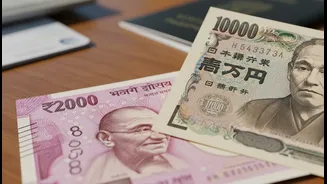
for many nationalities, the Embassy of Japan in India confirmed that the concessional rate for Indians remains unchanged. Indian citizens will continue to pay just ₹500 for a temporary visitor visa, whether it's for a single entry or multiple entries. This special arrangement keeps Japan one of the most budget-friendly destinations for Indians from a visa application perspective. When compared to the new fee for other foreign nationals applying in India—₹8,650 for a single-entry and a steep ₹17,350 for a multiple-entry visa—the benefit for Indian travellers is substantial. It’s important to note that a service charge from the application partner, VFS Global, is applied on top of this visa fee.
Multiple Entries, Simplified
Beyond the low cost, Japan has also made it easier for frequent Indian travellers to secure a multiple-entry visa. This visa allows for several visits over a validity period that can extend up to five years, with each stay typically capped at 90 days. The eligibility criteria have been clarified, making it accessible for those with a history of travel to Japan or other G7 countries (USA, UK, Canada, etc.), as well as applicants with a strong financial standing. Remarkably, the embassy fee for this convenient, long-term visa is the same ₹500 as a single-entry one. This makes applying for a multiple-entry visa a highly practical and cost-effective option for anyone planning more than one trip, whether for tourism, business meetings, or visiting family.
The New e-Visa Route
The process itself has also been streamlined with the introduction of the JAPAN eVISA system for Indian residents in April 2024. This option is available for those applying for a single-entry short-term tourist visa (up to 90 days). While applications are still submitted through VFS Global centres, the result is an electronic visa in the form of a 'visa issuance notice' rather than a physical sticker in your passport. At the airport in Japan, travellers simply need to display this notice on a mobile device with internet access. It is crucial to remember that a printout, PDF, or screenshot of the notice will not be accepted. This digital alternative removes some of the traditional paperwork and simplifies the final step of the process for eligible tourists.
How to Apply Today
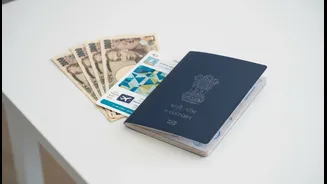
For Indian citizens, the visa application process is handled exclusively by VFS Global. Applicants can no longer submit directly to the embassy or consulates. The first step is to determine your visa type—tourist, business, or visiting relatives—and gather the necessary documents. This typically includes a valid passport, the completed application form, a recent photograph, proof of sufficient funds like bank statements, your travel itinerary with flight and hotel bookings, and recent income tax returns. For the e-visa, the process is initiated online before visiting a VFS centre. For standard paper applications, including all multiple-entry visas, you will submit the full document package at a VFS centre. Processing time is generally a minimum of five working days, so it is advisable to apply well in advance.
Why 'For Now' Matters
While the current visa situation for Indians is excellent, the phrase 'for now' is a crucial reminder that travel policies are dynamic. Japan’s recent global fee hike is part of a broader strategy to manage the impacts of overtourism, which has become a concern in popular areas. The revenue from increased fees and a higher tourist departure tax is intended to fund infrastructure improvements and develop new tourism resources. Although India has been exempted from the fee increase due to strong bilateral ties, global travel trends, economic pressures, and evolving tourism strategies mean that visa rules can always be reviewed. There is no indication that the fee for Indians will change soon, but savvy travellers know that taking advantage of favourable conditions when they exist is always a smart move.