





Why August is a Key Pruning Month
August in India is a time of transition. The monsoon has encouraged rampant growth, but the constant moisture also brings challenges like fungal diseases and pests. Pruning right now is not about a drastic overhaul but a strategic tidy-up. By selectively
trimming your plants, you improve air circulation, which is crucial for preventing common monsoon plant illnesses like powdery mildew and root rot. This act of removing spent flowers, yellowing leaves, and weak stems redirects the plant's energy from seed production into creating new, healthy growth and more flowers. Think of it as a seasonal refresh that helps your garden recover from heavy rains and prepares it for the next phase of growth.
Essential Tools and Techniques
Before you begin, gather your tools. A clean, sharp pair of secateurs or pruning shears is essential for most tasks. For thicker branches, you might need loppers. It is vital to disinfect your tools before and after use to prevent the spread of diseases between plants. When you make a cut, aim for a clean snip just above a leaf node (the small bump on a stem where a leaf grows). This encourages the plant to branch out from that point. For flowering plants, this technique often results in a bushier shape and more potential blooms.
Flowering Shrubs to Trim Now
Many of our most beloved flowering shrubs benefit from a light trim in August. Roses, for instance, respond well to deadheading (removing spent blooms) and the removal of any yellowing or weak branches. This encourages a fresh flush of flowers. Hibiscus and Bougainvillea, staples in Indian gardens, also appreciate a light prune. For hibiscus, trimming leggy stems can promote a fuller shape. With bougainvillea, a light trim after a flowering cycle can encourage more vibrant bracts, but avoid heavy pruning during the monsoon. Similarly, perennials like salvias can be cut back to encourage a second round of blooms.
Caring for Herbs and Climbers
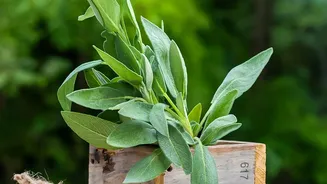
August is an excellent time to give your herbs a haircut. Regularly harvesting or trimming herbs like tulsi (holy basil) and mint prevents them from becoming woody and encourages tender, leafy growth. Vigorous climbers such as wisteria can be tidied up now by cutting back the long, whippy green shoots that have appeared since spring. This not only keeps the plant manageable but also helps it form the flowering spurs needed for a spectacular display next season.
What to Avoid Pruning in August
Just as important as knowing what to prune is knowing what to leave alone. Avoid any heavy or hard pruning on most shrubs during periods of continuous, heavy rain, as this can slow the plant's recovery and make it susceptible to infection. Some plants, like certain varieties of hydrangeas, bloom on 'old wood', meaning they have already formed the buds for next year's flowers. Pruning these now would mean sacrificing those future blooms. Also, be gentle with desert plants like Adeniums, which are sensitive to excess water and should be protected from heavy rain rather than pruned aggressively. If you are unsure, a good rule of thumb for August is to stick to light trims, deadheading, and removing only damaged or diseased parts of the plant.