





1. Maximise Your Natural Light
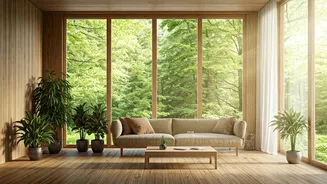
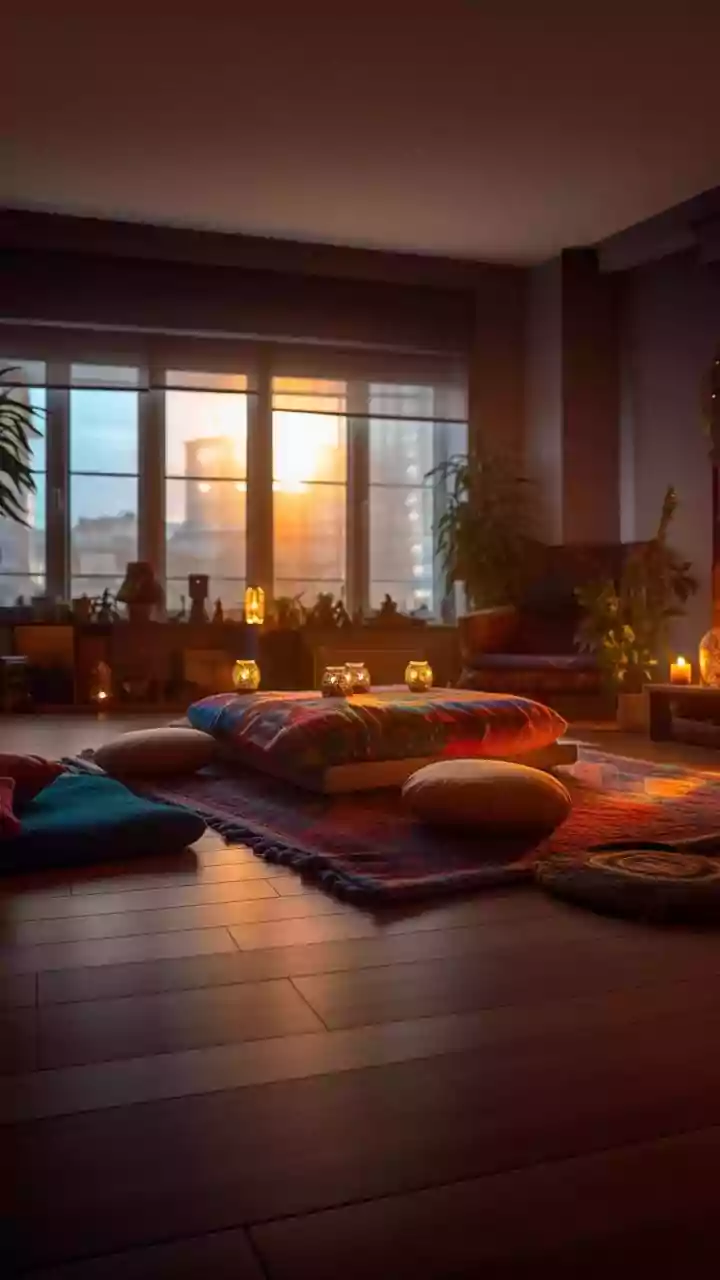
Before you buy a single new item, start with the most fundamental element of nature: sunlight. Biophilic design, the practice of connecting people and nature within our built environments, prioritises natural light for its proven benefits on mood and energy.
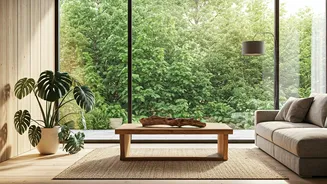
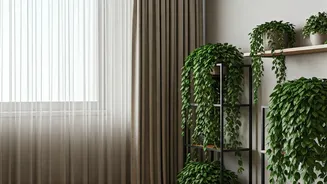
Start by assessing your windows. Are heavy, dark curtains blocking the view and the light? Consider swapping them for sheer linen drapes, light-filtering blinds, or leaving them bare if privacy allows. Clean your windows regularly to let in every possible ray. You can also use mirrors strategically; placing a large mirror opposite a window will bounce light around the room, making it feel brighter and more expansive. This simple, free adjustment is the foundation of a nature-inspired home.
2. Cultivate an Indoor Garden
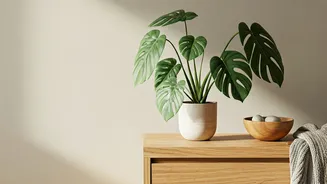
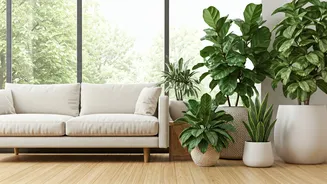
This is the most literal interpretation of the trend, and for good reason. Houseplants are living sculptures that purify the air, reduce stress, and add a vibrant splash of life to any corner. Don't feel you need to turn your living room into a dense jungle overnight. Start with a few low-maintenance options. Snake plants and ZZ plants are famously resilient and tolerate low light, while pothos vines are beautiful trailing from a bookshelf. For a bigger statement, a fiddle-leaf fig or a monstera deliciosa can become a stunning focal point. Group plants of different sizes and textures together to create a lush, layered look that mimics a natural landscape.
3. Embrace an Earthy Colour Palette
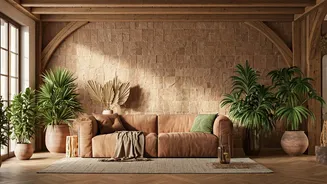
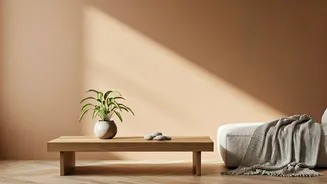
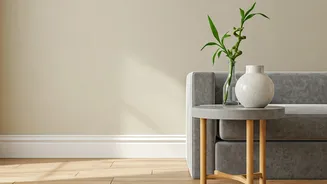
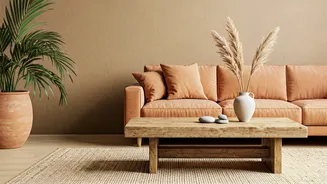
Look outside for your colour inspiration. The most calming spaces often borrow their palettes directly from nature. Think of the warm, sandy beiges of a beach, the deep greens of a forest, the soft greys of a misty morning, or the rich terracotta of sun-baked earth. These colours are inherently soothing and timeless. You can incorporate them on your walls, in your choice of sofa fabric, or through smaller accents like cushions, throws, and rugs. These natural hues create a cohesive and serene backdrop that allows other natural elements, like plants and wood, to truly shine.
4. Incorporate Natural Materials and Textures
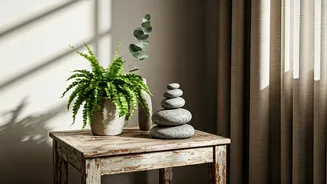
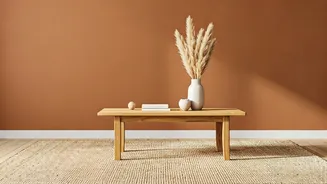
Move beyond the visual and engage your sense of touch. Swapping out synthetic or highly processed materials for natural ones adds warmth, texture, and character. Think solid wood furniture (instead of laminate), a jute or sisal rug underfoot, rattan or wicker chairs, and stone coasters on a coffee table. In textiles, opt for linen, organic cotton, and wool. These materials aren't perfect; they have grains, knots, and variations that tell a story and connect us to the raw materials they came from. This imperfection is what makes a space feel authentic, grounded, and lived-in, a welcome contrast to a world of mass-produced uniformity.
5. Let Nature Inspire Your Decor
You can celebrate the natural world even more directly through art and pattern. Look for botanical prints, landscape paintings, or macro photography of natural details like leaves or wood grain. These can be large statement pieces or a small gallery wall of framed pressed flowers. Beyond literal depictions, you can also find patterns inspired by nature. Think fabrics with subtle leaf motifs, wallpaper that mimics the dappled light through a canopy, or ceramics with organic, free-form shapes. These touches serve as constant, gentle reminders of the world outside your walls, reinforcing the calming theme throughout your home.