






The Hidden Cost of Plaster of Paris
For decades, Plaster of Paris (PoP) has been the material of choice for crafting festive idols. It’s lightweight, cheap, and easy to mould into intricate designs. But its convenience hides a toxic secret. PoP is made from gypsum, which is not biodegradable
and takes months, or even years, to dissolve in water. When thousands of PoP idols are immersed in rivers, lakes, and seas, they don't simply melt away. Instead, they settle on the riverbed, hardening the soil and clogging the natural flow of water. The bigger problem lies in the paints used to decorate them. These are often synthetic dyes containing heavy metals like lead, mercury, chromium, and cadmium. Once in the water, these toxins leach out, poisoning aquatic life and contaminating water sources used by communities. Studies by the Central Pollution Control Board (CPCB) have shown that idol immersions can lead to a drastic drop in oxygen levels and a significant spike in acidity and heavy metal content in water bodies.
Cities and Courts Step In
In response to the mounting environmental damage, authorities have begun to take decisive action. Spearheaded by the CPCB's guidelines, which prohibit PoP and toxic paints, many municipal corporations across India have issued bans or strict regulations. Cities like Mumbai, Pune, Bengaluru, and Dharwad have been at the forefront, either banning PoP idols outright or restricting their size and mandating their immersion only in artificial ponds. For instance, the Dharwad district administration recently banned the manufacture, sale, and use of PoP idols entirely. In Maharashtra, a major hub for Ganesh Chaturthi, the debate has reached the courts. While the state government has requested more time to phase out PoP idols, citing the readiness of already manufactured statues, the judiciary and environmental groups continue to push for stricter enforcement. The consensus is clear: the practice is unsustainable. These regulations aim to force a shift, encouraging devotees and artisans to adopt greener alternatives.
A Return to Traditional, Greener Roots
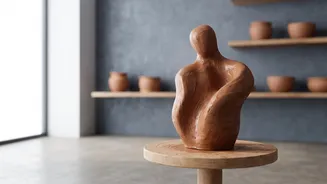
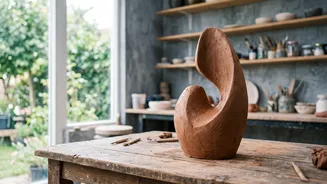
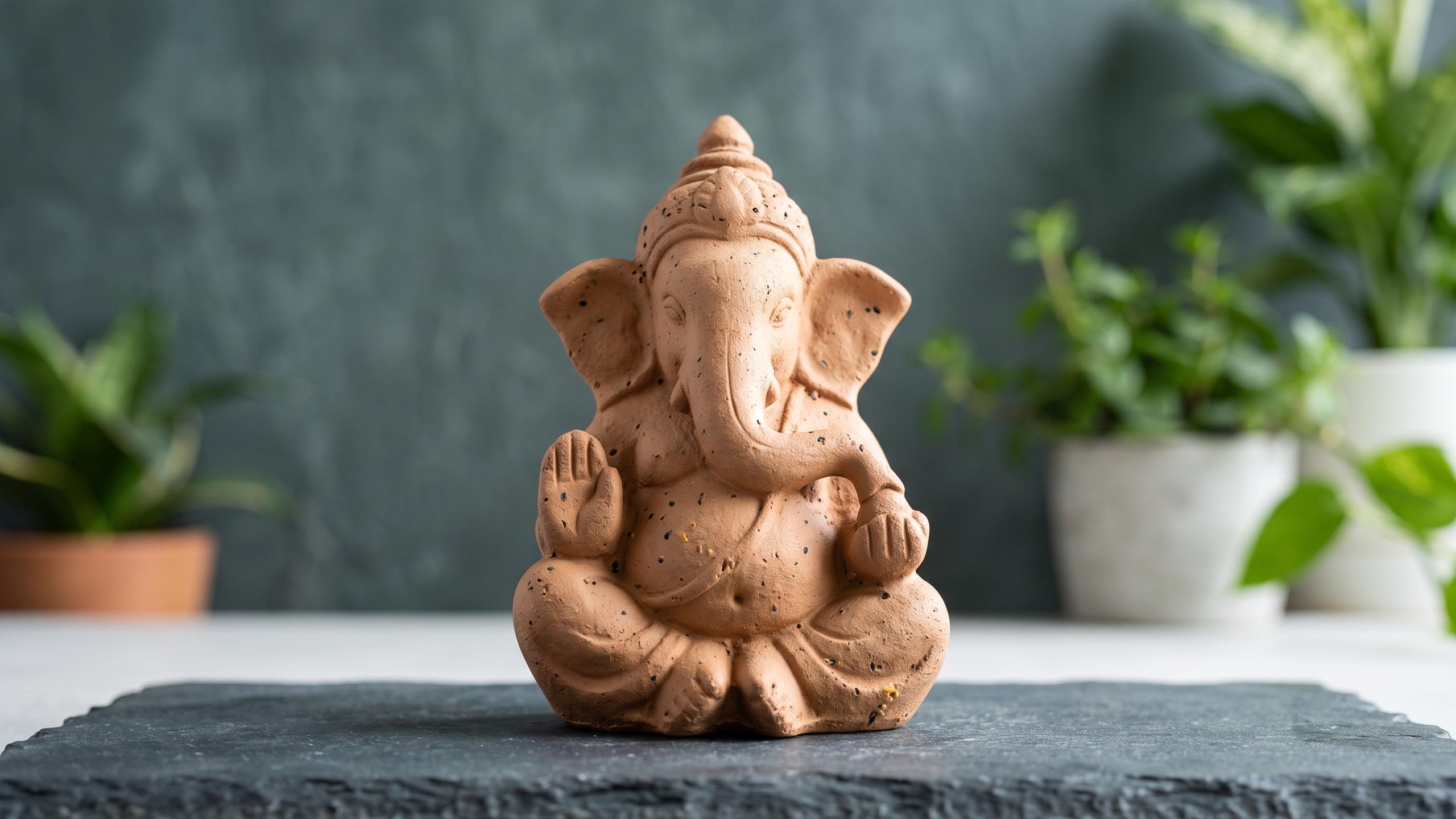
The primary alternative being promoted is the traditional clay idol, often made from 'shadu mati'. This natural clay dissolves easily in water, causing no harm to the ecosystem. Worshippers are embracing this return to tradition, which aligns with the original ethos of the festivals, where idols were made from earth and would seamlessly return to it. Beyond clay, a wave of innovation has brought other eco-friendly options. These include idols made from paper mache, cow dung, and even some embedded with seeds that can sprout into plants after the idol is dissolved in a pot at home. These alternatives transform the act of immersion from a source of pollution into a gesture of renewal. The use of natural pigments like turmeric and indigo for colour further reduces the toxic load on the environment.
The Challenges of Going Green
The transition is not without its difficulties. For artisans, moving from PoP to clay requires new skills and a different business model. Clay idols are typically heavier, more fragile, and take longer to make and dry. This often translates to a higher price for the consumer. While a PoP idol might cost significantly less, an equivalent clay idol can be nearly double the price due to the material and labour involved. This economic reality is a major hurdle for both idol-makers and some devotees. However, many argue that the long-term environmental cost of PoP idols far outweighs the initial savings. Public awareness campaigns, and in some cases government support for artisans, are crucial to overcoming these challenges and making the sustainable choice the easy choice for everyone.