







The Daily Drain of Decision Fatigue
Every day, the average adult makes thousands of decisions, and a surprising number of them are about food. This constant stream of choices—what to eat, what to buy, when to cook—can lead to decision fatigue, a state of mental exhaustion where your ability
to make sound choices deteriorates. When you’re tired after a long day, this fatigue often leads to choosing convenience over health, resulting in more frequent takeaways or processed meals. By planning meals in advance, you remove these repeated, low-stakes decisions from your daily plate, freeing up mental energy for more important matters.
How Meal Subscriptions Offer a Solution
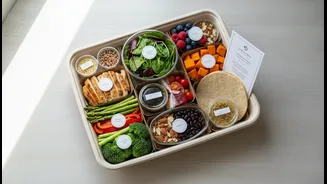
Healthy meal subscriptions are designed to take the entire process of meal planning and preparation off your hands. In India, these services are becoming increasingly popular among busy professionals, students, and anyone looking to simplify their routine. You typically choose a plan based on your dietary needs—be it vegetarian, high-protein, or calorie-conscious—and receive pre-planned, often pre-portioned, meals delivered to your door. This model eliminates the need for last-minute meal decisions, grocery runs, and the stress of cooking from scratch when you're short on time.
Beyond Convenience: The Health Factor
One of the primary drivers for this trend is health and wellness. Many services work with nutritionists to design balanced meals, ensuring you get a good mix of macronutrients. Portion control is another significant benefit; meals arrive in pre-portioned containers, which helps prevent overeating and makes it easier to track calorie intake. For those with specific health goals, such as weight loss or managing a condition like diabetes, these subscriptions can provide a structured and reliable way to maintain a consistent, healthy diet without the guesswork. It turns the healthy choice into the easy choice.
The Economics of Time and Money
While some subscriptions may seem more expensive than buying groceries, they can be surprisingly cost-effective when you factor in all the variables. They significantly reduce food waste, as you receive only the ingredients you need in the correct amounts. Furthermore, they can be cheaper than ordering from restaurants or food aggregators daily, which often include delivery fees and other charges. The most valuable saving, however, is time. The hours saved on planning, shopping, cooking, and cleaning can be redirected toward work, family, or personal well-being.
Choosing the Right Service for You
The Indian market for meal subscriptions is growing, with options ranging from home-style tiffin services to gourmet meal kits. When selecting a service, consider your specific dietary preferences and restrictions, and check if they offer customisation. Look into their delivery schedules and flexibility—many allow you to pause your subscription if your plans change. Reading reviews from other users can provide insight into meal quality, variety, and reliability. Some services even offer trial plans, allowing you to sample their food before committing to a longer subscription.
Potential Downsides to Consider
Despite the benefits, there are potential drawbacks. A major concern for many is the environmental impact of packaging, as ingredients are often individually wrapped to maintain freshness. While many companies are moving toward recyclable materials, it’s a valid consideration. Another factor is the potential for limited variety or a lack of spontaneity, as your meals are planned in advance. Finally, while some meals are designed by nutritionists, others can be high in sodium or preservatives to extend shelf life, so it's important to review the nutritional information provided.