








The Small Puddle With a Big Problem
It’s easy to overlook a little bit of water collected in a plant saucer or a forgotten bucket. However, for the Aedes aegypti mosquito, the primary carrier of dengue and chikungunya, even a bottle cap full of water is a perfect nursery. Female mosquitoes
lay their eggs in stagnant water, and in just a week to ten days, those eggs can hatch and develop into adult mosquitoes ready to bite. During India's monsoon season, the combination of frequent rain and high humidity creates ideal conditions for these pests to multiply rapidly, leading to a significant spike in vector-borne diseases. Health officials constantly warn that preventing water from stagnating is the single most effective way to curb the spread of these illnesses, which can range from debilitating to life-threatening.
Your Balcony's Most Common Water Traps
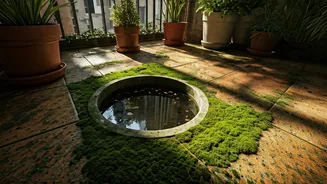
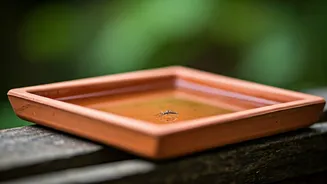
Mosquitoes are resourceful, and they will find any standing water, no matter how little. A regular check of your balcony should focus on these common problem areas: - Plant Pot Saucers: These are the most frequent offenders. Water accumulates after you water your plants or after it rains. - Discarded Items: Old tyres, plastic containers, coconut shells, and even children's toys can collect rainwater and become breeding sites. - Clogged Drains: Balcony drains blocked by leaves, dirt, or other debris can cause water to back up and stagnate. - Tarps and Plastic Sheets: Any cover or sheet that isn't laid out perfectly flat will have folds and depressions where water can pool. - Air Cooler Trays: If you have an air cooler on your balcony, its water tray needs to be cleaned regularly. - Bird Baths and Water Bowls for Pets: While great for animals, these need to have their water changed daily to prevent mosquito larvae from developing.
The 5-Minute Weekly Prevention Routine
Making a standing water check a part of your weekly routine is a small investment of time that offers huge health benefits for your household. A weekly check is crucial because it disrupts the mosquito breeding cycle. Here’s a simple plan to follow: 1. Tip and Empty: Walk around your balcony and tip over any container holding water. This includes saucers under your plants, buckets, and any decorative pots. For plant saucers, empty them completely and wipe them dry if possible. 2. Inspect and Clear Drains: Check that your balcony drains are clear of leaves and debris so that water can flow away freely. If you notice pooling, it may be a sign of a blockage or an improper slope. 3. Scrub and Refill: If you have bird baths or pet water bowls, scrub the insides before refilling them with fresh water. This removes any eggs that might be stuck to the surfaces. 4. Store Items Properly: Don't leave unused pots, containers, or toys lying around. Store them upside down or in a covered area where they cannot collect rainwater.
A Community-Wide Responsibility
While keeping your own balcony clean is a critical first step, mosquitoes don't recognise property lines. An un-checked puddle in a neighbour's balcony can lead to mosquitoes in your home. This makes mosquito control a shared responsibility. Many municipal corporations across India run awareness campaigns, especially before and during the monsoon, urging residents to prevent water stagnation. Some resident welfare associations (RWAs) organise coordinated clean-up drives. Participating in these and gently reminding your neighbours to check their own spaces can significantly enhance the safety of your entire community. After all, a collective effort is the most powerful defence against the spread of monsoon diseases.