








The Unseen Threat in Stagnant Water
As India continues to urbanise, the familiar buzz of the mosquito is becoming an ever-more present threat, not just in sprawling metros but in the nation's rapidly growing Tier-II and Tier-III cities. Diseases like dengue and chikungunya, once associated
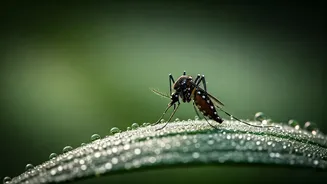
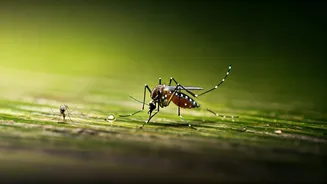
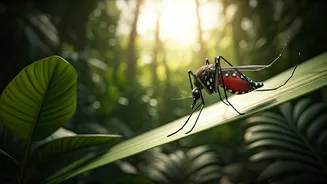
with specific regions or urban centres, are now a nationwide concern. The primary culprit is the Aedes aegypti mosquito, a highly adaptable insect that thrives in urban environments. Unlike other mosquitoes that breed in large bodies of dirty water, the Aedes mosquito prefers small amounts of clean, stagnant water to lay its eggs. This is what makes common household items so dangerous. The water tray under a potted plant, a discarded tyre, a pet's water bowl, or an air cooler can become a perfect nursery for the next generation of disease-carrying mosquitoes. The entire life cycle, from egg to adult mosquito, can take as little as seven to ten days, making weekly vigilance a critical habit.
Why Smaller Cities Are at Risk
While public health campaigns have often focused on major metropolitan areas, the risk factors in smaller cities are mounting. Rapid and often unplanned urbanisation, different housing patterns, and inconsistent civic infrastructure can create numerous breeding grounds for mosquitoes. Furthermore, healthcare infrastructure in these emerging cities often lags behind their population growth, with fewer specialists and advanced diagnostic facilities. This 'missing middle' in healthcare means that an outbreak can place a significant strain on local resources and force families to travel for treatment, incurring huge costs. The spread of these diseases is no longer confined by geography; as of 2022, dengue has been reported in every state and Union Territory in India. This underscores the reality that prevention cannot be a responsibility shouldered only by residents of megacities. The threat is universal, and so the awareness must be too.
The Plant Pot: An Ideal Mosquito Nursery
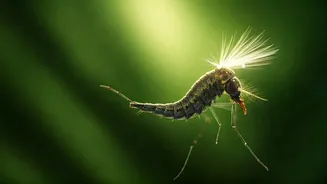
Many of us lovingly water our indoor and balcony plants, but the saucer or tray placed underneath to collect excess water is an often-overlooked hazard. These trays create the exact conditions the Aedes mosquito needs: a small, contained pool of still water, often shaded and undisturbed. A female mosquito can lay hundreds of eggs at a time, which hatch into larvae (often called 'wrigglers'). These larvae feed on tiny organic particles in the water and develop into pupae before emerging as adult mosquitoes. Even a capful of water is enough for this cycle to complete. Because these mosquitoes tend to live and breed in and around human homes, the presence of even one breeding site in a yard or on a balcony means a high likelihood of mosquitoes inside the house. This makes personal responsibility and household-level prevention the most effective first line of defence.
Simple Steps to Protect Your Home
The good news is that preventing mosquito breeding is straightforward and requires consistency more than anything else. The key is to eliminate standing water. At least once a week, empty and scrub the trays under your plant pots to remove any eggs that may be stuck to the surface. Ensure the pots have proper drainage so water doesn't accumulate. For outdoor plants, you can consider using pot feet to elevate the container, allowing water to drain away and air to circulate. Another effective method is to fill the trays with sand; this will absorb excess water without creating a pool for mosquitoes to breed in. Beyond plant pots, it's crucial to check other potential breeding spots weekly. This includes cleaning air cooler trays, clearing clogged roof gutters, properly disposing of items that can collect rainwater like cans and plastic containers, and changing the water in bird baths and pet bowls regularly.
A Community-Wide Effort
Individual actions are powerful, but community participation is what turns the tide against vector-borne diseases. National initiatives like the National Vector Borne Disease Control Programme (NVBDCP) and public awareness campaigns aim to educate citizens on these risks. Supporting these efforts by promoting cleanliness in your neighbourhood and participating in clean-up drives can make a significant difference. Educating family, friends, and neighbours about the importance of removing stagnant water creates a network of vigilance. The fight against dengue and chikungunya is not just the government's responsibility; it's a collective effort. Every home that eliminates breeding spots contributes to the safety of the entire community, reducing the overall mosquito population and breaking the cycle of transmission.