






An Industry of Immense Scale
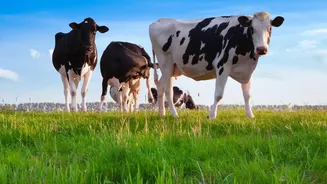
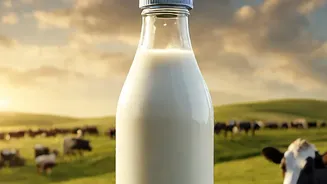
India's dairy sector is a powerhouse, responsible for nearly a quarter of the world's total milk production. The industry is not just about numbers; it is the lifeblood of the rural economy, supporting over 80 million farming families, most of whom are
smallholders with just a few animals. For decades, this sector has been a story of incredible success, achieving self-sufficiency and ensuring milk availability across the nation. However, this vital pillar of the agricultural economy is now on the frontlines of a battle against an increasingly unpredictable and hostile climate. The rising frequency and intensity of heatwaves pose a direct threat to the health and productivity of the country's nearly 300 million-strong bovine population.
How Heat Harms Dairy Cattle
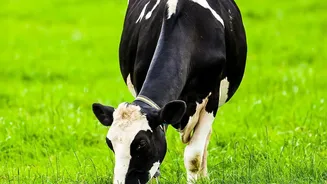
For dairy cows and buffaloes, extreme heat is not just uncomfortable; it's a serious physiological burden. High-yielding crossbred cattle are particularly vulnerable because their high metabolism already generates significant internal heat. When temperatures soar, especially combined with high humidity, animals struggle to dissipate this heat. This condition, known as heat stress, triggers a cascade of negative effects. To cope, animals reduce their feed intake, sometimes by as much as 30%, because the process of digestion itself generates more heat. They drink more water, pant excessively, and spend their energy on trying to cool down rather than on producing milk. This directly leads to a drop in milk yield, with some farmers reporting losses of up to 30% during peak summer months. It also reduces the fat and protein content of the milk, which lowers its market price and hurts farmer incomes.
The Economic Ripple Effect
The consequences of reduced milk production ripple outwards, affecting everyone from the smallholder farmer to the urban consumer. For farmers, lower milk output means a direct hit to their primary source of income. This is often compounded by increased costs for electricity to run fans and sprinklers, specialized feeds, and veterinary care. Studies estimate that climate-induced stress already causes annual losses in the millions of tonnes, valued at thousands of crores. This financial strain makes it difficult for farmers to invest in the very adaptations needed to protect their animals. For consumers, sustained production drops and supply chain disruptions can lead to price volatility. With demand for dairy products consistently rising, the pressure on the supply side is becoming a significant concern for the nation's food security.
Searching for Resilience
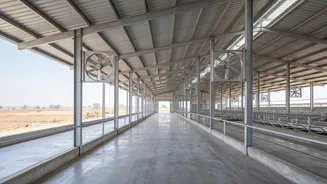
The challenge is immense, but so is the search for solutions. Across India, farmers, researchers, and companies are working on strategies to build a more climate-resilient dairy sector. Simple, on-farm adaptations can make a significant difference. These include ensuring adequate shade, improving ventilation in cattle sheds with fans, and using sprinklers or misters to provide evaporative cooling. Adjusting feeding schedules to cooler parts of the day and providing energy-dense, easily digestible fodder helps compensate for reduced appetites. Looking long-term, government bodies and research institutes are focusing on promoting heat-tolerant indigenous breeds and developing new crossbreeds that are better suited to a warmer climate. Digital tools and data-driven farm management systems are also emerging to help farmers make better decisions to cope with climate variability.