







What Exactly is Changing?
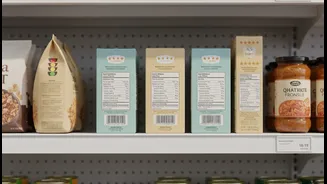
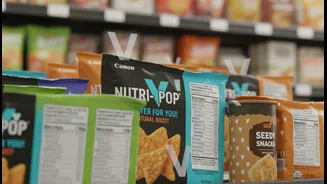
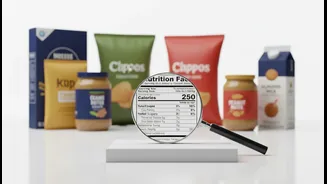
The Food Safety and Standards Authority of India (FSSAI) is rolling out a series of updates to how packaged foods are labelled. The most significant of these is the long-debated introduction of Front-of-Pack Labelling (FOPL). The goal is to give consumers
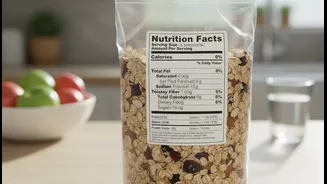
a simple, at-a-glance summary of a product's nutritional profile, especially highlighting foods that are High in Fat, Sugar, and Salt (HFSS). While the back of the pack has always contained a detailed nutrition table, it is often complex and hard to interpret in a hurry. The new system aims to place simplified nutritional information right where you can't miss it. The latest amendments, notified in March 2026, are set to come into force on July 1, 2027, giving the industry a clear timeline to adapt.
The Big Debate: Stars vs. Warnings
For years, the core of the debate has been about how to display this information. Two main models have been considered: the Health Star Rating (HSR) and warning labels. The HSR system, similar to what is used for energy efficiency on appliances, would rate foods on a scale (e.g., half a star to five stars) based on their overall nutritional content. Healthier products would get more stars. On the other hand, public health advocates and several global studies have pushed for simple, direct warning labels—like a black octagon—that clearly state if a product is 'High in Sugar', 'High in Salt', or 'High in Fat'. Proponents argue that warnings are unambiguous and have been effective in other countries like Chile and Mexico at shifting consumer behaviour away from unhealthy products. The FSSAI has been leaning towards a version of the star rating system, called the Indian Nutrition Rating (INR), but the discussion remains intense.
A New Superpower for Shoppers
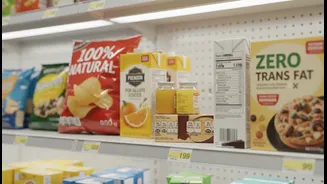
Regardless of the final format, the move towards FOPL is a significant win for consumers. The primary goal is to tackle India's rising tide of non-communicable diseases (NCDs) like diabetes, obesity, and hypertension, which are strongly linked to diets high in processed foods. With clear, upfront labelling, shoppers will be empowered to make healthier choices without needing a degree in nutrition science. Imagine being able to compare two brands of biscuits or breakfast cereals and instantly see which one is lower in sugar. This transparency is designed to cut through misleading marketing claims like "natural" or "fortified" and focus on the core nutrients that impact health. It shifts power into the hands of the consumer, allowing for quick, informed decisions that support a healthier lifestyle.
The Challenge for the Food Industry
For food and beverage companies, these new regulations represent a monumental shift. While many large players have been preparing, the changes will require significant investment in reformulating products, redesigning packaging, and updating supply chains. The packaged food industry has expressed concerns about increased costs and the potential for negative consumer perceptions of products that receive low ratings or warning labels. However, the regulations also present an opportunity. Companies that proactively reformulate their products to reduce fat, sugar, and salt can use the new labelling system to their advantage, marketing their healthier profiles to a growing segment of health-conscious consumers. The new rules are essentially a nudge from the regulator, pushing the entire industry toward creating healthier food options.
Beyond the Label: Other Key Changes
The crackdown isn't just about front-of-pack warnings. The FSSAI's 2026 amendments also bring other important updates that will take effect in July 2027. These include clearer definitions for "minimally processed foods," new rules for labelling non-retail containers to improve traceability, and specific exemptions for products like infant nutrition. There are also revised warning requirements for products containing certain sweeteners like Aspartame and for pan masala. Together, these changes form a comprehensive overhaul designed to improve transparency, safety, and clarity across the board, from the factory to your kitchen.